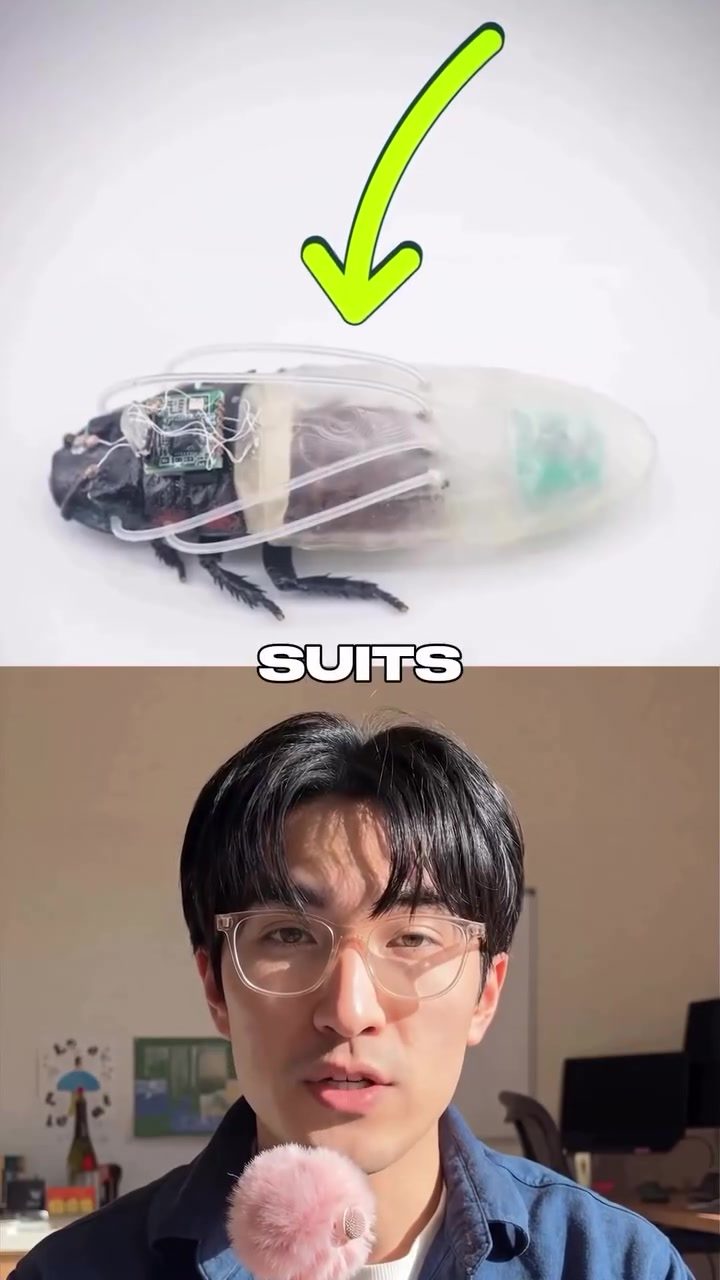
Scuba suits for cockroaches might sound like something straight out of a science fiction movie. However, scientists have actually developed 3D-printed, watertight scuba suits for cockroaches to enable underwater exploration. These remarkable inventions allow cockroaches to survive in flooded environments, aiding in search-and-rescue missions and even paving the way for future planetary exploration.
Context / Why this matters
Floods often create challenging conditions for rescue teams. Flood waters can damage infrastructure, making it difficult for humans and machines to access affected areas. Additionally, water can interfere with electronic devices, limiting their use in search and rescue missions. Cockroaches, on the other hand, are notoriously hardy and can withstand harsh environments.
Main discussion
Remote-Controlled Cockroaches
Scientists have found a way to remotely control cockroaches by inserting electrodes into their bodies. This control mechanism allows researchers to guide the cockroaches through difficult-to-reach areas, making them ideal for search and rescue operations.
3D-Printed, Watertight Scuba Suits
The breakthrough comes with the development of 3D-printed, watertight scuba suits designed specifically for cockroaches. These suits connect to the cockroach’s air holes, providing a continuous supply of air, enabling the insects to move around underwater for extended periods.
Potential Applications
The primary goal of this technology is to attach cameras to the cockroaches, allowing them to traverse disaster zones and flooded areas to search for survivors. In addition, the technology aims to expand to spacesuits for planetary exploration. The idea is to use these remotely controlled, hardy insects to explore other planets, searching for signs of life and gathering valuable data.
The Science Behind Scuba-Suit Cockroaches
The development of these scuba suits involves detailed engineering and biotechnology. Researchers likely employed 3D printing to create custom-fitted suits that can withstand the pressure of water while providing the necessary air supply. The connection to the cockroach's air holes is critical, ensuring the insect can breathe comfortably under water.
Practical tips
Innovation in Search and Rescue
If you work in disaster response or search and rescue, consider these tips:
-
Explore Biotechnological Solutions: Look into how other organisms, like cockroaches, can be utilized in rescue operations. They can go where humans cannot, providing valuable data and possibly saving lives.
-
Invest in 3D Printing: 3D printing technology allows for the creation of custom, watertight suits, which can be adapted for various applications, from underwater exploration to planetary missions.
-
Enhance Remote Control Systems: Investigate remote control technologies that can be used to guide insects like cockroaches or robots in difficult-to-reach areas.
Applications for Planetary Exploration
For those involved in space exploration, here are some practical considerations:
-
Hardiness and Adaptability: Cockroaches are known for their ability to survive in extreme conditions, making them ideal candidates for exploring other planets. Look into how their hardiness can be leveraged for future missions.
-
Innovative Suits: The 3D-printed scuba suits for cockroaches are just the beginning. Consider similar technologies for creating spacesuits for other organisms or even robots designed to explore different planets.
-
Remote Observation: Utilize remote control and observation technologies to guide these insects or robots through harsh environments. This can provide valuable data and insights without endangering human lives.
Important takeaways
The development of scuba suits for cockroaches highlights the innovative ways scientists are leveraging biotechnology and robotics to tackle real-world challenges. These tiny, hardy insects can be equipped with cameras and guided through flooded disaster zones or even other planets, helping in search and rescue missions and space exploration.
By investing in and advancing these technologies, we can enhance our capabilities in disaster response and planetary exploration, potentially saving lives and uncovering new frontiers. The flexibility and adaptability of these remote-controlled, hardy creatures offer a unique solution to some of the most challenging problems in these fields.
Conclusion
The concept of scuba suits for cockroaches opens up a world of possibilities in search and rescue as well as planetary exploration. The ability to remotely control these hardy creatures and equip them with essential tools allows them to navigate environments that are otherwise inaccessible. This technology represents a significant breakthrough, demonstrating the potential of biotechnology and robotics in addressing some of the most pressing challenges of our time.
Questions readers ask
How do 3D-printed scuba suits help cockroaches in disaster response?
The 3D-printed scuba suits enable cockroaches to explore flooded areas by providing a watertight seal, allowing them to navigate underwater and enhancing their ability to assist in search and rescue missions.
What makes cockroaches suitable for disaster response?
Cockroaches are extremely resilient and can withstand harsh environments, including flooded areas. Their small size allows them to access tight spaces that humans and machines cannot, making them ideal for navigating disaster zones.
How are cockroaches controlled in disaster response missions?
The cockroaches are equipped with remote-control technology, allowing operators to guide them through hazardous environments, ensuring they can be directed to areas of interest for exploration.
How do cockroaches assist in planetary exploration?
The development of 3D-printed cockroach suits opens new possibilities for planetary exploration. The cockroaches' ability to navigate challenging terrain and withstand harsh environments could make them valuable for searching for signs of life in extreme conditions.
Why are 3D-printed scuba suits necessary for cockroaches in flooded environments?
Cockroaches are generally resilient, but prolonged exposure to water can be detrimental. The 3D-printed scuba suits ensure that the cockroaches can explore flooded areas without sustaining water damage, prolonging their operational time in these conditions.
How do 3D-printed cockroach suits enhance search and rescue missions?
By allowing cockroaches to navigate underwater environments, the scuba suits enable these insects to reach areas that are inaccessible to humans and conventional rescue equipment, providing a new means of gathering critical information during disasters.
Recent articles
Fresh deep dives from the latest Reels we unpacked.




Comments
Be the first to comment.