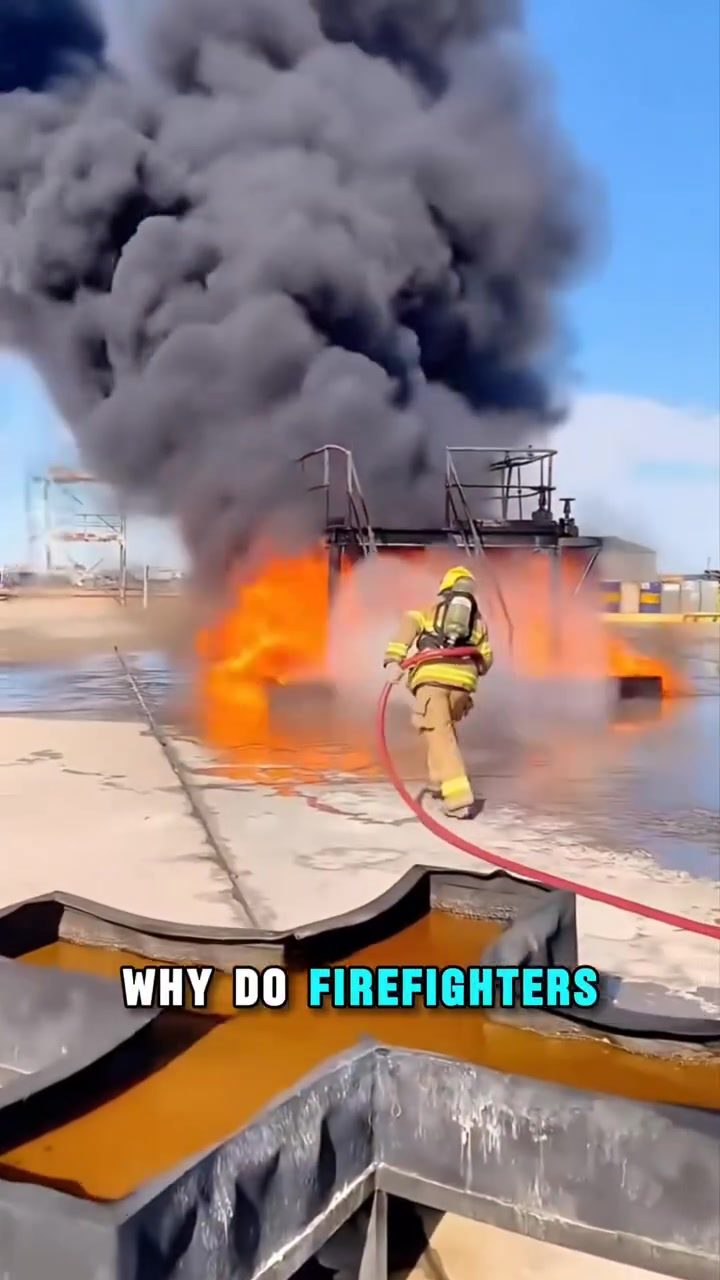
Firefighters and Fire Hose Contaminants: Why Thorough Cleaning is Essential
Firefighters are known for their heroic efforts in combating blazes and saving lives. However, their work doesn't end when the fire is extinguished. One crucial step that often goes unnoticed is the thorough cleaning of fire hoses. This routine is not just about maintaining equipment; it's a vital safety measure that ensures the readiness and reliability of firefighting gear for the next emergency.
Why Does This Matter?
The significance of cleaning fire hoses lies in the potential contaminants they encounter during firefighting operations. These hoses are not just exposed to water; they also come into contact with a variety of debris, including sand, mud, gravel, and other materials. While these contaminants may not cause immediate issues, they can lead to wear and tear over time, compromising the hose's integrity and functionality.
Understanding the Contaminants
Common Contaminants
At a fire scene, water is not the only substance that a hose takes in. Various contaminants can enter the hose, including:
- Sand and Gravel: These particles can cause abrasion and wear on the inner lining of the hose, leading to leaks and reduced durability.
- Mud and Dirt: These can clog the hose and affect water flow, making it less effective during firefighting operations.
- Other Debris: Depending on the environment, fire hoses might encounter various other materials that can damage the hose or contaminate the water supply.
Effects on Hose Integrity
While these contaminants may not cause immediate problems, they gradually wear down the hose. Each use without proper cleaning can accelerate this process, potentially leaving the hose in a compromised state when it is needed most. A compromised hose can fail during an emergency, which could have life-threatening consequences.
The Cleaning Process
Thorough Flushing
Firefighters follow a meticulous cleaning routine to ensure their hoses are free of contaminants. This process involves flushing the hose from one end, removing all dirt and debris. They methodically inspect the hose to confirm it is clean and undamaged before rolling it up and storing it away. This routine might seem simple, but it is a crucial safety measure designed to protect lives.
Why It's Crucial
Thoroughly cleaning fire hoses is not just about maintaining equipment; it is a critical safety measure. The process ensures that the hose is in optimal condition for the next emergency, reducing the risk of failure and enhancing firefighters' effectiveness. By removing contaminants, firefighters can also extend the lifespan of their equipment, ensuring that it remains reliable and ready for action.
Practical Tips for Hose Maintenance
Regular Inspection
In addition to cleaning, regular inspection of fire hoses is essential. Firefighters should look for signs of damage, such as cracks, leaks, or irregular wear. Early detection of such issues can prevent failures during critical moments.
Proper Storage
Storing fire hoses correctly is equally important. They should be kept in a clean, dry place, away from direct sunlight and extreme temperatures. Proper storage helps maintain the hose's integrity and prolongs its lifespan.
Training and Awareness
Firefighters should undergo regular training on hose maintenance and cleaning procedures. This ensures that everyone understands the importance of these steps and follows the correct protocols. Awareness campaigns within fire departments can also reinforce the significance of these practices, promoting a culture of safety and preparedness.
Important Takeaways
Contaminants Matter
Understanding the types of contaminants that fire hoses can encounter is the first step in recognizing the importance of thorough cleaning. Sand, gravel, and other debris can cause significant wear and tear, compromising the hose's reliability.
No Second Chances
Firefighters operate under the principle that there is no second chance. Ensuring that their equipment is clean and ready for use is a non-negotiable part of their job. This meticulous approach to maintenance is what sets them apart and keeps them prepared for any emergency.
Safety First
The thorough cleaning of fire hoses is not just about maintaining equipment; it is about saving lives. By ensuring that their hoses are in optimal condition, firefighters can respond effectively to emergencies, reducing risks and enhancing their ability to protect lives and property.
Conclusion
Thoroughly cleaning fire hoses is more than a routine task; it is a crucial safety measure that ensures the readiness and reliability of firefighting equipment. By understanding the potential contaminants and the importance of meticulous cleaning, firefighters can maintain their hoses in optimal condition, ready for the next emergency. This dedication to safety and preparedness is what makes firefighters heroes, always ready to step into the line of fire and save lives.
Questions readers ask
Why is it important to clean fire hoses after every use?
Cleaning fire hoses after each use removes contaminants like sand, gravel, and mud that can cause wear and tear, ensuring the hose's reliability and preventing potential failures during future emergencies. This proactive maintenance is essential for firefighter safety and the longevity of the equipment.
What are the potential risks of not cleaning fire hoses regularly?
Neglecting to clean fire hoses can lead to a build-up of debris, which accelerates wear and tear. This increases the risk of hose failure during critical moments, putting firefighters in danger and compromising their ability to effectively combat fires.
What tools are typically used for cleaning fire hoses?
Cleaning fire hoses often involves using specialized tools such as hose reels, high-pressure washers, and specialized brushes. These tools help to thoroughly remove debris and ensure the hoses are clean and ready for the next deployment. Regular inspections and maintenance using these tools are crucial for keeping fire hoses in optimal condition.
How does cleaning fire hoses contribute to firefighter safety?
Cleaning fire hoses helps maintain the integrity of the equipment, reducing the likelihood of hose failure during emergencies. This reliability is crucial for firefighters, who rely on their equipment to perform effectively and safely in dangerous situations. Regular cleaning ensures that hoses are free from contaminants that could compromise their performance.
What types of debris can accumulate in fire hoses during use?
Fire hoses can accumulate various types of debris during use, including sand, gravel, mud, and other materials found at fire scenes. These contaminants can cause abrasion and wear on the hose's interior, leading to potential failures. Thorough cleaning helps to remove these contaminants and maintain the hose's reliability.
How often should fire hoses be inspected and cleaned?
Fire hoses should be inspected and cleaned after every use to ensure they are free from debris and damage. Regular maintenance, including periodic deep cleaning, helps to extend the lifespan of the hoses and ensures they are reliable when needed. A consistent cleaning schedule is vital for maintaining the overall readiness of firefighting equipment.
Recent articles
Fresh deep dives from the latest Reels we unpacked.




Comments
Be the first to comment.