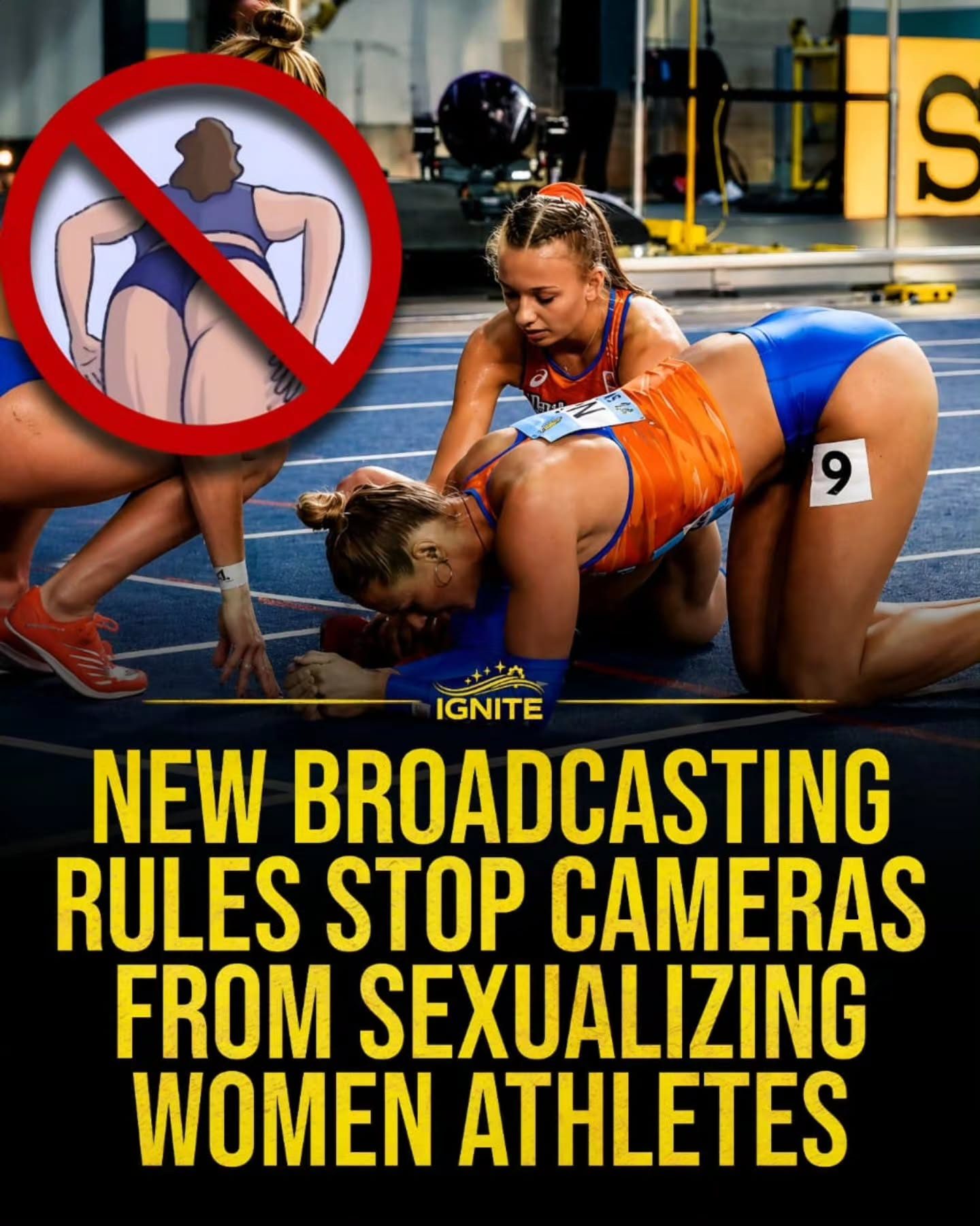
New Broadcasting Rules Aim to Prevent Sexualization of Women Athletes
Context / Why this matters
The world of sports broadcasting is undergoing a significant shift with the implementation of new rules designed to address the long-standing issue of sexualization of women athletes. This change is crucial for promoting a more respectful and equitable environment for female athletes, who often face inappropriate and objectifying camera angles during broadcasts.
Understanding the New Broadcasting Rules
What Are the New Rules?
The new broadcasting rules, recently announced, are specifically designed to curb the sexualization of women athletes. These rules mandate that cameras focus on the athletic performance rather than the physical appearance of the athletes. This includes avoiding close-ups of athletes' bodies, especially when inappropriate, and ensuring that camera angles do not objectify or sexualize the athletes.
The Impact of Sexualization in Sports
The sexualization of women athletes is a pervasive issue in sports broadcasting. Women athletes often face inappropriate camera angles that focus on their bodies rather than their skills and achievements. This not only affects the athletes' dignity and respect but also sets a harmful precedent for young viewers who might internalize these objectifying portrayals. The new rules aim to rectify this by promoting a more respectful and inclusive broadcasting standard.
Practical Tips for Broadcasters
Focus on Performance
Broadcasters should prioritize capturing the athletes' performances and skills. This involves framing shots that highlight the athleticism, strategy, and competitive spirit of the athletes. By focusing on these aspects, broadcasters can create a more authentic and respectful portrayal of women athletes.
Avoid Inappropriate Camera Angles
It's essential to avoid camera angles that objectify or sexualize the athletes. This includes steering clear of close-ups that focus on the athletes' bodies and using wide shots that showcase the entire performance. Broadcasters should also be mindful of the context and avoid any framing that could be perceived as inappropriate.
Promote Inclusive Narratives
Broadcasters should strive to create narratives that promote inclusivity and respect for all athletes. This involves using language and visuals that celebrate the athletes' achievements and contributions to the sport. By fostering a more inclusive environment, broadcasters can help challenge the societal norms that contribute to the sexualization of women athletes.
Important Takeaways
The new broadcasting rules represent a significant step towards creating a more respectful and equitable environment for women athletes. By focusing on performance, avoiding inappropriate camera angles, and promoting inclusive narratives, broadcasters can play a crucial role in challenging the objectification and sexualization of women athletes.
Conclusion
The implementation of new broadcasting rules to prevent the sexualization of women athletes marks a pivotal moment in sports broadcasting. By prioritizing performance, using respectful camera angles, and promoting inclusive narratives, broadcasters can help create a more equitable and respectful environment for all athletes. These changes not only uplift and respect women athletes but also foster a healthier and more inclusive culture in sports.
Questions readers ask
What are the key changes in the new broadcasting rules for female athletes?
The primary change involves a shift in camera focus. Broadcasters are now required to emphasize the athletic performance and skills of female athletes, rather than their physical appearance. This includes avoiding excessive close-ups or low-angle shots that objectify athletes, and ensuring camera work that respects their dignity and talent.
How will these new rules impact the viewer experience?
Viewers can expect a more immersive and respectful experience, with a focus on the thrill of the game and the athletes' skills. The new rules aim to enhance appreciation for the sport itself, rather than drawing attention to the athletes’ appearance. This shift will likely foster a greater understanding and enjoyment of the athletic prowess on display.
Why is it important to focus on athletic performance in broadcasting?
Focusing on athletic performance helps to build a more equitable and respectful environment for female athletes. It ensures that their skills and achievements are the primary focus, rather than their physical appearance. This shift can inspire more young women to engage in sports, knowing they will be respected and valued for their abilities.
What specific camera techniques are discouraged under the new guidelines?
The new guidelines discourage the use of excessive close-ups that highlight an athlete's physical attributes, and low-angle shots that can be objectifying. Instead, broadcasters are encouraged to use a variety of shots that showcase the action, such as wide shots of the field, or close-ups that highlight athletic prowess, like a sprint or a serve.
How might these rules impact the sports broadcasting industry?
These rules will likely prompt a shift in the industry standards and practices. Broadcasters will need to adapt their techniques to comply with the new guidelines. This may lead to increased training for camera crews and potentially new industry standards for respectful and athletic focus oriented broadcasting.
Related deep dives
Similar reads based on topic and creator.




Recent articles
Fresh deep dives from the latest Reels we unpacked.




Comments
Be the first to comment.