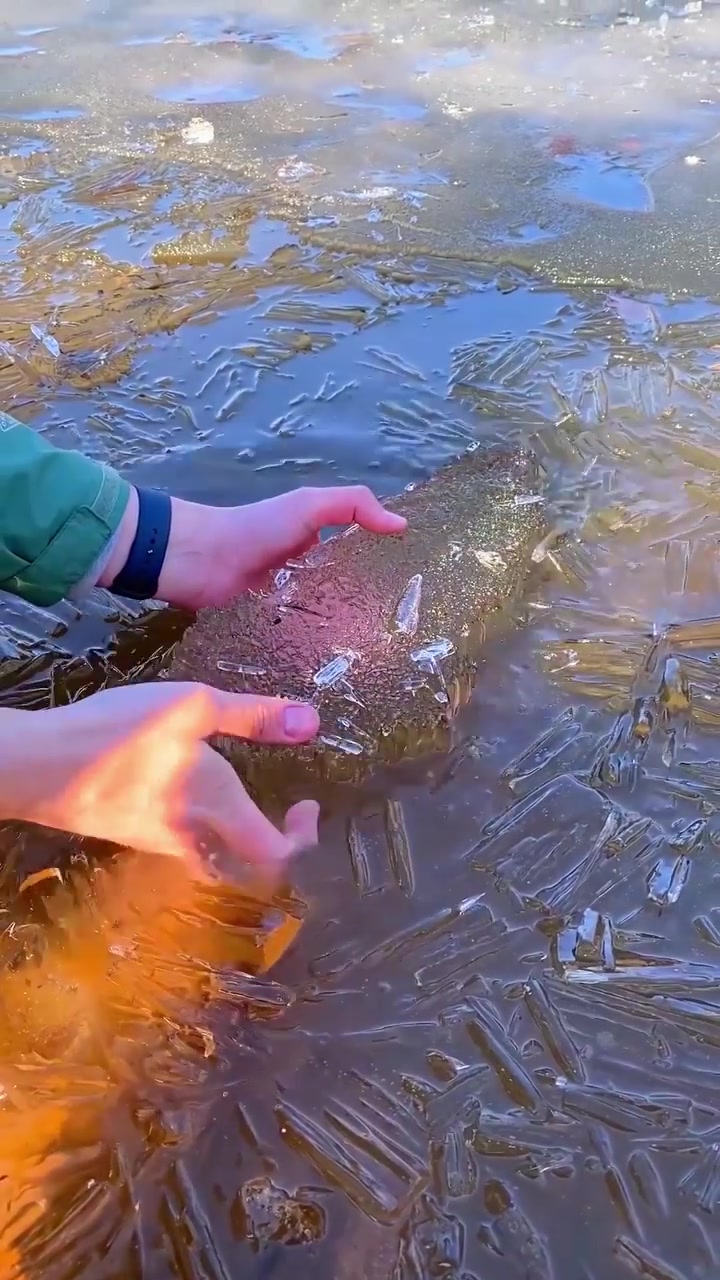
A chunk of ice, nearly transparent and teeming with intricate textures, is held up for examination. For ice lovers, it’s not just a frozen chunk. It’s a masterclass in how water freezes into something more than just solid.
The Magic of Ice Formation
Ice isn’t just frozen water; it’s a natural sculpture created over time. On frozen lakes or rivers, ice forms through a process dictated by temperature, pressure, and water movement. When water cools to 32°F (0°C) and further, it crystals begin to take shape, creating intricate patterns. The formations deepen. Ice can form in layers or as a solid mass. When water freezes slowly, it creates larger, more visible crystals. This slow process allows for greater clarity, which is why some ice appears translucent. Ice also has pockets of air, which contribute to its patterns.
The Art of Natural Freezing
Frosty phenomena aren’t something to be confined to the fridge. The formation of ice involves more than just temperature. Turbulence and currents impact the ice formations. Each layer of ice tells a story about the conditions. Air pockets and impurities like dirt and algae encapsulated in the ice can create fascinating color. And as the ice thaws and freezes again, these elements get rearranged, creating even more intricate details.
The Anatomy of a Chunk of Ice
Ice formations come in a variety of shapes and sizes. On a frozen lake, the chunk one person is holding, will reveal different textures and opacity, with some portions appearing translucent. Ice isn’t always created in a controlled environment. In an open body of water, ice forms in layers. Different layers can provide different ice texture. On calm days, ice can form a smooth, uniform layer. During windier conditions, the surface of the lake will be rougher.
The Texture of Ice
Ice texture is an art. Many people find it fascinating for different reasons. When the water freezes slowly, ice forms intricate crystal structures. These crystals reflect light in different ways, creating a shimmering effect. When ice freezes quickly, it doesn’t have enough time to form crystals, so it’s more opaque.
Clear Ice vs. Cloudy Ice
Ice clarity depends on how quickly it freezes. Imperfections in the crystal structure can cause cloudiness. Clear ice is created when water freezes slowly, and impurities are pushed out of the crystal structure. Every layer is an opportunity to observe the different factors that influence ice clarity. It's a window into how each layer reacts to the conditions.
The Practical Angle: Ice Photography
When it comes to showcasing ice, photographs do the job best. Following are some tips to capture the best photos.
- Lighting: Time of day is a crucial factor. Shoot close to sunrise or sunset where the light is softer and diffuse and the colors are warmer.
- Clean your lens: Any smudges can diminish the clarity. It’s best to keep the lens clear with a microfiber lens cloth.
- Use a tripod: This ensures stability, especially in low light conditions.
- Editing: At times, subtle editing enhances the details.
- Avoid Bright Sunlight: Bright sun can reduce clarity and produce harsh shadows.
Best Time of Day to Shoot Ice
Ice can look stunning under different lighting conditions, but the best time to capture its translucent beauty is during the golden hours. The golden hours are the first and last hours of sunlight in a day. During this period, the light is soft and diffused, which illuminates the ice’s intricate structures without casting harsh shadows. Every time the sun rises and sets, it’s a new opportunity to capture the beauty of ice.
Equipment for Ice Photography
To capture the translucent beauty of ice, you need the right equipment. Here is what you will need:
- Macro Lens: A macro lens lets you capture the intricate details of ice crystals.
- Tripod: A stable setup is essential for low-light conditions.
- Remote Shutter: This helps avoid camera shake during long exposures.
- Water-proof Camera Bag: Carrying all your gear in a waterproof bag prevents any damage from the cold and moisture.
The Wisps of Ice
Each ice formation is a unique piece of art sculpted by nature itself. It demands a closer look and great admiration. From its delicate crystal structures to its translucent textures, ice is a natural wonder that showcases the beauty of the natural world.
Questions readers ask
How do temperature and pressure affect the formation of ice on lakes?
Temperature and pressure play crucial roles in ice formation. When the water temperature drops to 32°F (0°C) or lower, the water molecules begin to crystallize, creating intricate patterns. Pressure can also influence how these crystals form and grow. For example, higher pressure can sometimes lead to the formation of smaller, more compact crystals, while lower pressure can result in larger, more visible crystals.
What factors contribute to the different textures and colors in ice?
The textures and colors in ice are influenced by several factors. Air pockets and impurities like dirt and algae trapped within the ice can create fascinating patterns and colors. Additionally, the freezing and thawing process can rearrange these elements, adding to the complexity and beauty of the ice. Different freezing speeds can also impact the texture, with slower freezing leading to more intricate crystal structures.
How does ice form in layers on a lake, and why does this happen?
Ice forms in layers on a lake due to the gradual freezing process. When the surface water freezes, it creates a thin layer of ice. As more water freezes, additional layers form beneath the first. This layering can result in different textures and opacities, depending on the conditions during each freezing phase. Calm days produce smoother, more uniform layers, while windier conditions can create rougher surfaces.
What is the best way to photograph ice formations on a frozen lake?
To capture the best photos of ice formations, shoot during sunrise or sunset when the light is softer and warmer. Use a tripod for stability, especially in low light, and ensure your lens is clean to avoid any smudges. Bright sunlight should be avoided as it can reduce clarity and produce harsh shadows. Subtle editing can also enhance the details, making the ice formations more visually stunning.
Can ice clarity be influenced by the presence of impurities?
Yes, ice clarity is greatly influenced by the presence of impurities. When water freezes slowly, impurities are pushed out of the crystal structure, resulting in clearer ice. However, if the freezing process is rapid, impurities can get trapped within the crystals, causing cloudiness. The clarity of ice can also vary layer by layer, depending on the conditions during each freezing phase.
What are the key differences between clear ice and cloudy ice?
Clear ice is formed when water freezes slowly, allowing impurities to be pushed out of the crystal structure, resulting in a more transparent appearance. On the other hand, cloudy ice forms when water freezes quickly, trapping impurities within the crystals. This results in a more opaque and less visually appealing ice structure.
How do air pockets contribute to the patterns and textures in ice?
Air pockets within the ice contribute to its unique patterns and textures. These pockets can create intricate designs and reflections, adding to the overall beauty of the ice. The presence of air pockets can also influence how light interacts with the ice, creating a shimmering effect. The formation of air pockets is often a result of the freezing and thawing process, which can rearrange these elements over time.
Related deep dives
Similar reads based on topic and creator.

Recent articles
Fresh deep dives from the latest Reels we unpacked.
Comments
Be the first to comment.