Innovations in Office Equipment: The IBM Selectric Typewriter
The IBM Selectric typewriter revolutionized office equipment in the 1960s. This innovative machine replaced the traditional typewriter mechanism with a unique design that significantly enhanced typing efficiency and eliminated the common jamming issue. Here’s a deep dive into its groundbreaking features and impact on the office landscape.
Why This Matters
The IBM Selectric typewriter didn’t just introduce a new way to type; it fundamentally changed how offices operated. Before the Selectric, typists had to deal with the constant frustration of jamming metal bars. This innovation not only improved productivity but also paved the way for more advanced office equipment. Understanding the Selectric’s impact provides valuable context for appreciating modern office technologies.
The Birth of the Selectric
The Traditional Typewriter Problem
Traditional typewriters used a system of metal bars or keys that would strike the paper to create characters. This mechanism was prone to jamming, especially when typists worked quickly. The metal bars would often get stuck, leading to delays and errors. This was a significant issue in offices where speed and accuracy were crucial.
The Selectric Solution
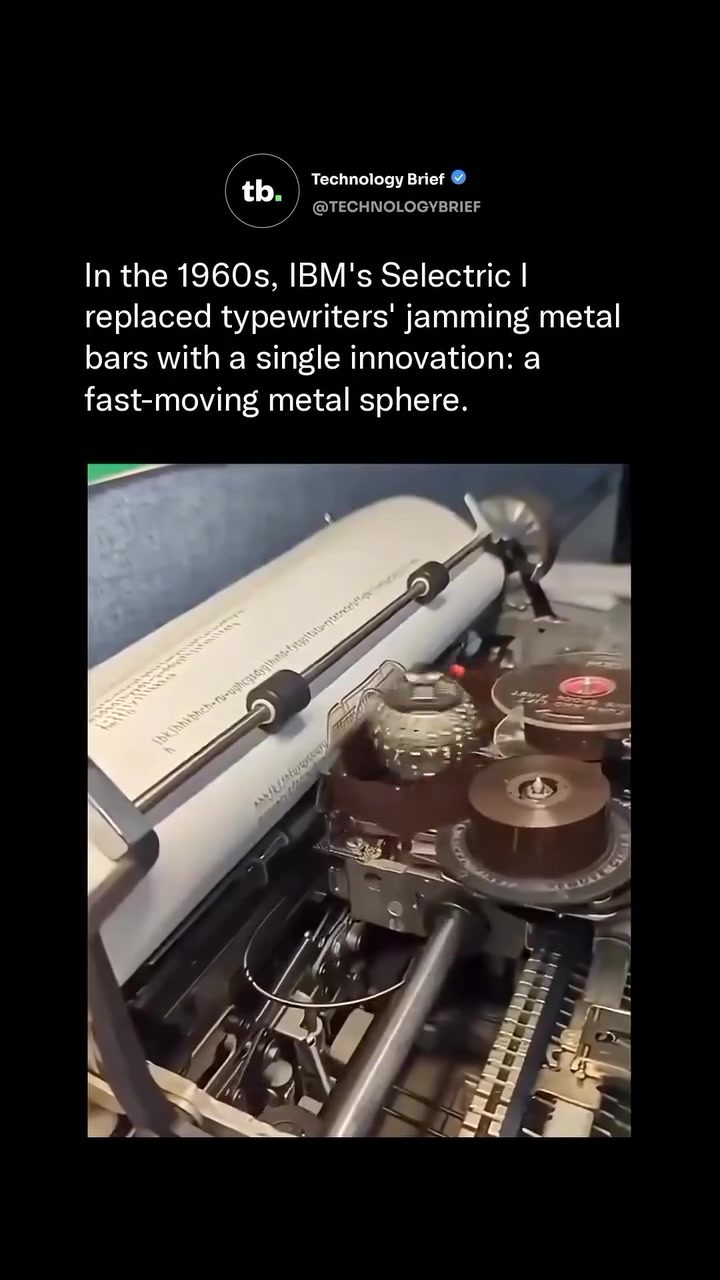
IBM’s Selectric typewriter, launched in 1961, addressed these issues with a revolutionary design. The traditional basket of individual type bars was replaced with a single chrome-plated plastic sphere, affectionately nicknamed the "golf ball." This sphere traveled across a stationary page, rotating and tilting to select any of its 88 characters before striking the ribbon.
The Golf Ball Mechanism
The golf ball mechanism was a game-changer for several reasons:
- Speed and Efficiency: Instead of the paper moving side to side, the ball traveled across a stationary page, allowing for faster typing and reduced errors.
- Reduced Jamming: The golf ball eliminated the jamming problem that plagued traditional typewriters, making it a more reliable tool for typists.
- Easy Maintenance: The design was easier to maintain and repair, reducing downtime and repair costs for offices.
The Design and Development
The Engineers Behind the Innovation
The development of the Selectric took seven years and was led by engineer Horace "Bud" Beattie. The design was later refined by Eliot Noyes, IBM’s head of corporate design. The collaboration between these engineers resulted in a product that was not only functional but also aesthetically pleasing.
The Font-Swapping Feature
One of the Selectric’s standout features was its font-swapping capability. Typists could quickly switch typefaces mid-document by pulling off one golf ball and replacing it with another. This process took about five seconds, allowing for greater flexibility and creativity in document formatting.
Market Reception
The IBM Selectric was an immediate success, selling 80,000 units in the first year alone — four times what the company had projected. Over the machine’s lifetime, more than 13 million units were sold, cementing the Selectric’s place in office history.
Practical Tips for Using a Selectric
Maintenance and Care
To keep your Selectric in top condition:
- Regular Cleaning: Clean the golf ball and typewriter regularly to prevent dust and debris from affecting performance.
- Avoid Overuse: While the Selectric is durable, avoid overusing it to prevent wear and tear.
- Proper Storage: Store your typewriter in a cool, dry place to prevent rust and other damage.
Typing Techniques
- Consistent Pressure: Use consistent pressure when typing to avoid jamming issues.
- Frequent Breaks: Take frequent breaks to rest your hands and prevent fatigue.
- Adjustable Features: Make use of the adjustable features to customize the typewriter to your comfort level.
Practical Benefits of the Selectric
Increased Productivity
The Selectric’s design allowed typists to work faster and with fewer interruptions, significantly boosting productivity in offices.
Enhanced Flexibility
The ability to quickly switch fonts and typefaces provided typists with greater flexibility in creating documents, making it a versatile tool for various applications.
Cost-Effectiveness
The reduction in jamming issues and easier maintenance made the Selectric a cost-effective choice for offices, saving on repair and replacement costs.
Important Takeaways
- Innovation: The Selectric showcased how innovation could solve long-standing problems in office equipment.
- Impact on Productivity: The typewriter’s design significantly improved typing speed and accuracy, leading to increased productivity.
- Design and Development: The collaboration between engineers and designers played a crucial role in the Selectric’s success.
Conclusion
The IBM Selectric typewriter stands as a testament to innovation in office equipment. Its unique design, led by the pioneering efforts of engineers and designers, revolutionized typing and set new standards for office productivity. Understanding the Selectric’s impact and features offers valuable insights into the evolution of office technology and the ongoing quest for efficiency and reliability.
Questions readers ask
What made the IBM Selectric typewriter stand out from traditional typewriters?
The IBM Selectric typewriter distinguished itself with a unique 'golf ball' element that replaced the traditional metal bar system. This innovation significantly reduced jamming and increased typing speed, making it a standout in office equipment of the 1960s.
How did the IBM Selectric typewriter improve typing efficiency?
The Selectric typewriter enhanced typing efficiency through its 'golf ball' mechanism, which allowed for faster key presses and reduced errors. This design change made typing more fluid and less prone to the interruptions caused by jamming, making typists more productive.
What impact did the IBM Selectric typewriter have on office technology?
The IBM Selectric typewriter set the stage for future advancements in office technology by demonstrating the benefits of innovative design. Its success highlighted the potential for more efficient and user-friendly office equipment, inspiring further developments in the field.
Why was the 'golf ball' feature of the IBM Selectric typewriter so important?
The 'golf ball' feature was crucial because it eliminated the frustrating jams commonly experienced with metal bar typewriters. This improvement allowed typists to work more quickly and with fewer interruptions, significantly boosting overall productivity.
Who benefited most from the IBM Selectric typewriter’s innovations?
Typists and office managers benefited the most from the IBM Selectric typewriter’s innovations. Typists experienced faster and more reliable typing, while managers saw increased productivity and reduced downtime due to fewer interruptions from typewriter malfunctions.
What challenges did the IBM Selectric typewriter solve for typists?
The IBM Selectric typewriter solved several challenges for typists, including jamming issues and slow typing speeds. By addressing these problems, it made the typing process smoother, faster, and more efficient, enhancing the overall workflow in offices.
How did the IBM Selectric typewriter influence the evolution of typewriters?
The IBM Selectric typewriter marked a significant shift in typewriter design. Its introduction of the 'golf ball' mechanism influenced the development of subsequent typewriters and contributed to the broader evolution of office technology, leading to more advanced and efficient typing machines.
Recent articles
Fresh deep dives from the latest Reels we unpacked.




Comments
Be the first to comment.