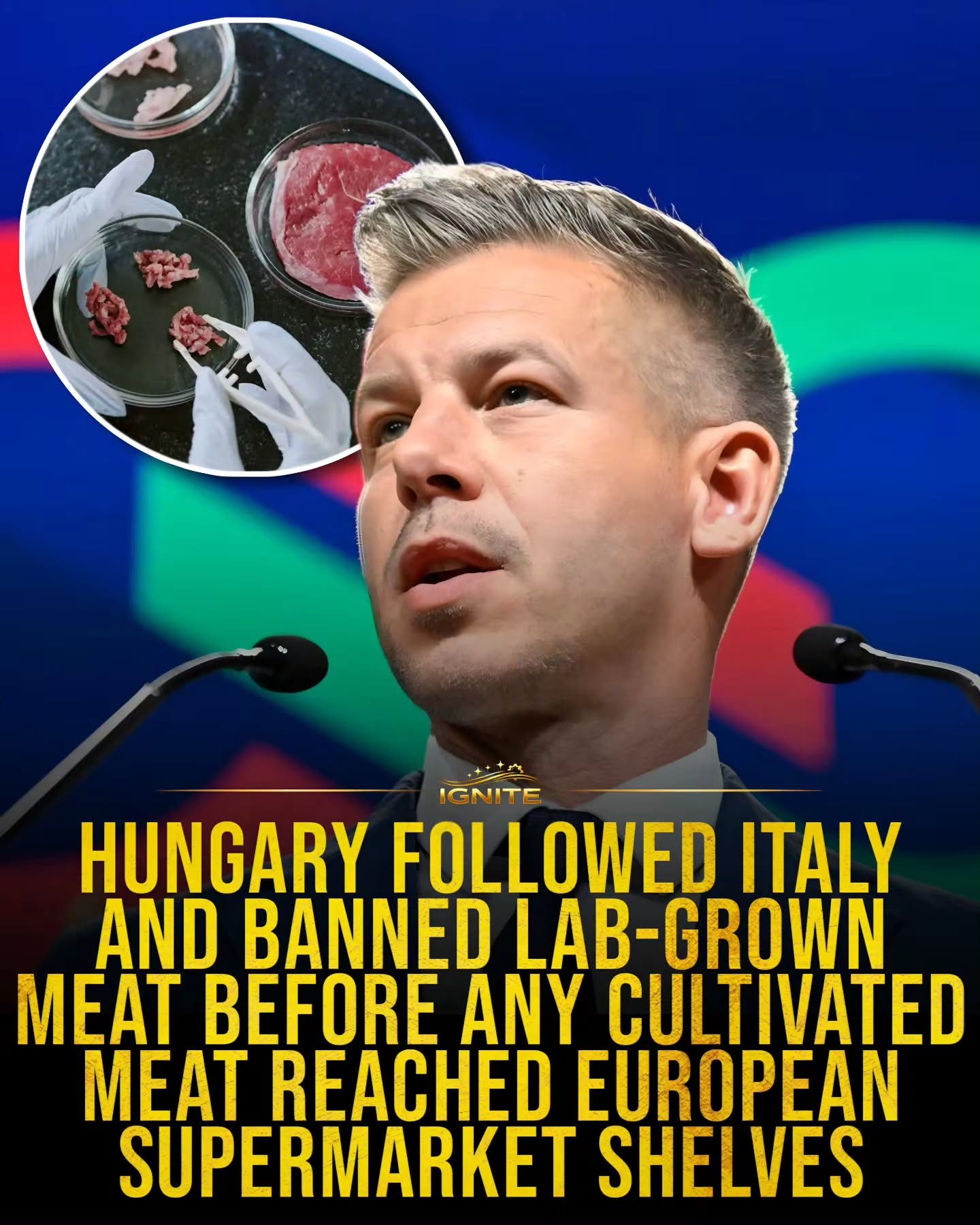
Lab-Grown Meat Bans in Europe
The recent bans on lab-grown meat in Hungary and Italy have sparked significant debate and attention. These bans, which were implemented before lab-grown meat became available in European supermarkets, highlight the complex landscape of food regulation and innovation.
Why This Matters
Lab-grown meat, also known as cultured meat, is produced by in vitro cultivation of animal cells rather than from slaughtered animals. This technology promises numerous benefits, including reduced environmental impact, improved animal welfare, and potential advancements in food security. However, the regulatory environment for this emerging industry is still nascent and fraught with uncertainties.
The Ban: Context and Implications
The bans in Hungary and Italy are significant because they preemptively restrict a technology that has not yet reached the marketplace. This proactive approach raises several important questions about regulatory frameworks and the pace of technological adoption.
Regulatory Uncertainty
One of the primary challenges for the lab-grown meat industry is the lack of clear regulatory guidelines. Different countries have varying approaches to regulating novel foods, and this disparity can create confusion and hinder market entry. The bans in Hungary and Italy reflect a conservative stance, prioritizing existing food systems over new, unproven technologies. This caution is understandable, given the need to ensure public safety and maintain consumer trust. However, it also highlights the need for balanced regulation that encourages innovation while addressing legitimate concerns.
Public Perception and Acceptance
Public acceptance is another critical factor influencing the regulatory landscape for lab-grown meat. Consumers' attitudes toward this new type of meat can significantly impact its market success. In countries like Hungary and Italy, where traditional meat consumption is deeply ingrained, there may be resistance to lab-grown alternatives. The bans could be seen as a reflection of public sentiment, but they also risk stifling opportunities for consumer education and adoption.
Economic and Environmental Considerations
The economic and environmental benefits of lab-grown meat are well-documented. This technology has the potential to reduce greenhouse gas emissions, land use, and water consumption associated with traditional livestock farming. By banning lab-grown meat, Hungary and Italy may be missing out on these benefits and stunting the development of a potentially sustainable and lucrative industry.
Practical Tips for Navigating the Regulatory Landscape
For entrepreneurs and investors in the lab-grown meat sector, navigating this complex regulatory environment requires a strategic approach.
Engage with Regulators
Building a constructive dialogue with regulatory bodies is crucial. Engaging with policymakers can help shape regulations that are both protective and innovative. Companies should provide data on the safety and benefits of lab-grown meat, addressing concerns and showcasing the technology's potential.
Educate the Public
Public education is essential for gaining acceptance. Companies should invest in consumer outreach programs that demystify lab-grown meat and highlight its advantages. Transparent communication about the production process, nutritional value, and environmental benefits can help build trust and foster acceptance.
Foster Collaboration
Collaboration within the industry and with stakeholders can strengthen the case for lab-grown meat. Working together, companies can pool resources, share best practices, and present a united front to regulators and the public. Partnerships with academic institutions, NGOs, and consumer groups can also enhance credibility and support.
Important Takeaways
The bans in Hungary and Italy serve as a reminder of the challenges and opportunities in the lab-grown meat industry. While regulatory uncertainty and public resistance pose significant hurdles, there are also opportunities to shape a more supportive environment through proactive engagement, education, and collaboration.
Conclusion
The future of lab-grown meat hinges on striking a balance between innovation and regulation. The bans in Hungary and Italy underscore the need for a thoughtful and inclusive approach to regulatory frameworks. By engaging with regulators, educating the public, and fostering collaboration, the lab-grown meat industry can navigate these challenges and realize its full potential. With the right support, this technology could revolutionize the way we produce and consume meat, benefiting both people and the planet.
Questions readers ask
What is lab-grown meat and why is it controversial?
Lab-grown meat, or cultured meat, is produced by growing animal cells in a laboratory setting instead of raising and slaughtering animals. It's controversial due to concerns about its potential impact on public health, the environment, and traditional farming industries, as well as its regulation.
What are the main concerns behind the Hungarian and Italian bans on lab-grown meat?
The bans in Hungary and Italy are driven by concerns over public safety, as the long-term health impacts of consuming lab-grown meat are not yet fully understood. Additionally, these countries may be aiming to protect their traditional farming industries from potential disruption.
How do these bans affect the future of meat innovation in Europe?
These bans may slow the progress of lab-grown meat innovation in Europe by creating an uncertain regulatory environment. However, they could also prompt other European countries to develop clearer guidelines, and encourage further study into lab-grown meat's safety and benefits, potentially leading to more informed regulations in the future.
Are there any other countries considering similar bans or regulations?
As of now, Hungary and Italy are the only European countries to have implemented preemptive bans. However, other countries, including in Europe and worldwide, are closely monitoring the situation and may introduce their own regulations, or even bans, as the technology advances, and more information becomes available.
What might be the environmental impact of these bans?
The bans could hinder the potential environmental benefits of lab-grown meat, such as reduced greenhouse gas emissions, land, and water conservation. But if these bans instead lead to more sustainable practices in traditional farming, there could be some indirect environmental benefits
What steps can consumers take to stay informed about lab-grown meat developments?
Consumers can follow reliable news sources, industry publications, and official government announcements to stay updated. Engaging with advocacy groups and attending public consultations or forums on the topic can also provide insight and foster a better understanding.
How might these bans influence the future of food regulation in Europe?
These bans might prompt Europe to reevaluate and update its food regulation frameworks, potentially leading to more stringent safety assessments and clearer guidelines for emerging food technologies. This could, in turn, influence how other innovative foods are regulated in the future.
Recent articles
Fresh deep dives from the latest Reels we unpacked.




Comments
Be the first to comment.