Whale Population Recovery
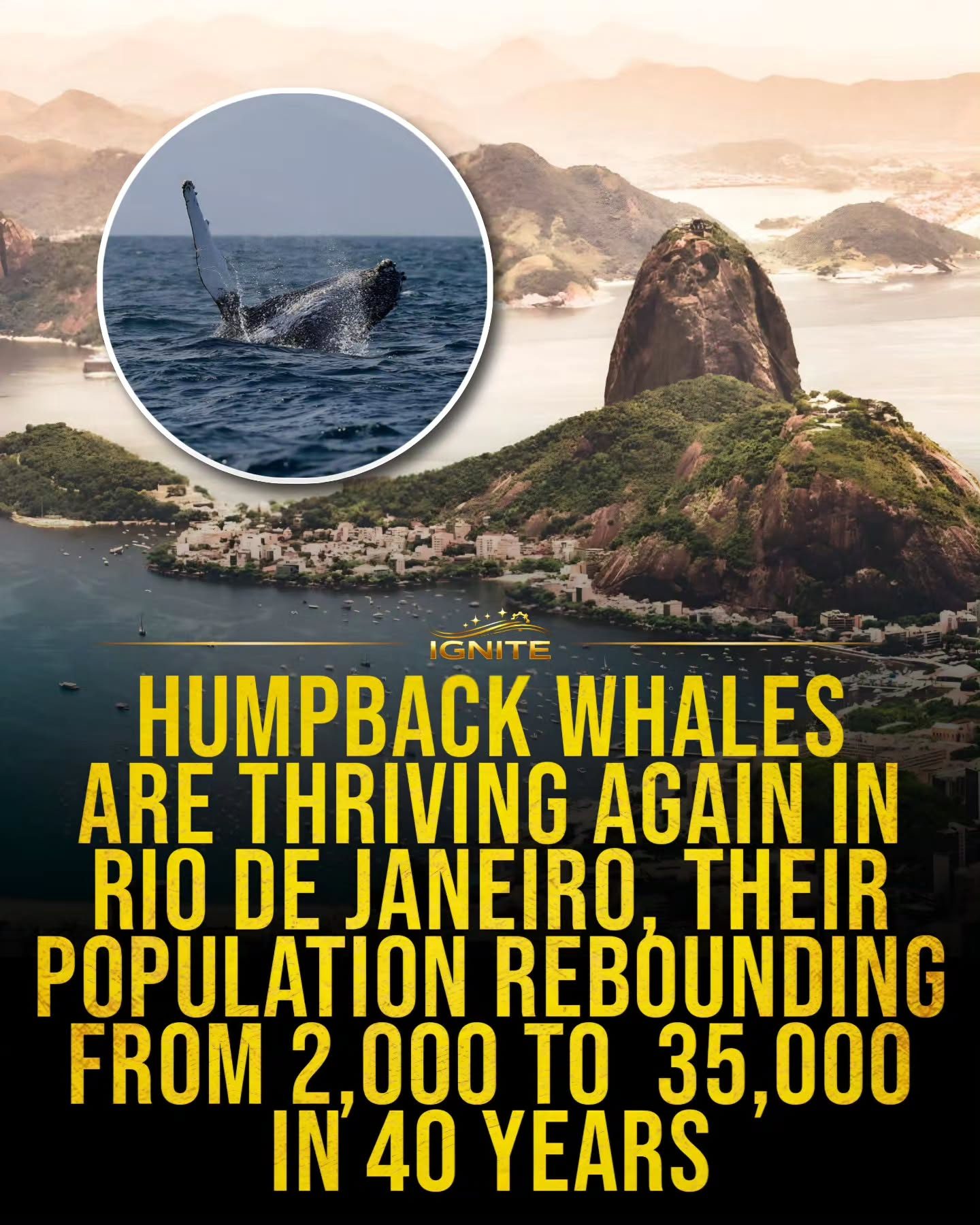
Whale populations, specifically humpback whales, are showing remarkable signs of recovery in Rio de Janeiro. This revival, spanning over 40 years, emphasizes the resilience and recovery capabilities of these marine giants.
Why this matters
The recovery of humpback whale populations in Rio de Janeiro is a significant environmental success story. It highlights the effectiveness of conservation efforts and the positive impact of reduced threats to these marine mammals. Understanding this recovery can inspire further efforts to protect endangered species and their habitats.
The remarkable recovery of humpback whales in Rio de Janeiro
The history of humpback whales in Rio de Janeiro
Humpback whales have long been a fixture in the waters off Rio de Janeiro, but their numbers have fluctuated over the years. Historical whaling activities significantly depleted their populations, leading to a severe decline in the mid-20th century. However, the implementation of protective measures and the cessation of commercial whaling allowed these whales to begin their slow but steady recovery.
The impact of conservation efforts
Conservation efforts in Rio de Janeiro have played a crucial role in the recovery of humpback whale populations. These efforts include the establishment of protected marine areas, strict regulations on fishing practices, and ongoing research and monitoring programs. These initiatives have not only helped in the recovery of humpback whales but also in maintaining the overall health of the marine ecosystem.
Key factors contributing to the population rebound
Several key factors have contributed to the remarkable recovery of humpback whales in Rio de Janeiro. One of the most significant factors is the reduction in human activities that negatively impact whale populations, such as whaling and destructive fishing practices. Additionally, increased public awareness and support for conservation efforts have helped to create a more favorable environment for these marine mammals.
Practical tips for supporting whale populations
There are several ways you can support the recovery and protection of humpback whale populations:
Support conservation organizations
Organizations like IGNITE are dedicated to the conservation of marine life, including humpback whales. By supporting these organizations, you can contribute to their efforts in protecting these majestic creatures and their habitats.
Reduce your carbon footprint
Climate change and pollution are significant threats to marine life. Reducing your carbon footprint can help mitigate these threats and create a healthier environment for whales and other marine animals.
Be mindful of plastic waste
Plastic pollution is a growing problem in our oceans. Minimizing your use of single-use plastics and properly disposing of waste can help reduce the amount of plastic that ends up in the ocean, protecting marine life and their habitats.
Participate in local conservation efforts
Many local organizations and initiatives are working to protect marine life in your area. Participating in these efforts, whether through volunteering, donations, or spreading awareness, can make a meaningful difference in the recovery of whale populations.
Important takeaways
The recovery of humpback whale populations in Rio de Janeiro is a testament to the effectiveness of conservation efforts and the resilience of these marine mammals. By understanding the factors that contributed to this recovery, we can continue to support and enhance these efforts, ensuring a healthy and thriving future for humpback whales and their habitats.
The recovery of humpback whale populations in Rio de Janeiro highlights the importance of protective measures and conservation efforts. By supporting these initiatives and being mindful of our impact on the environment, we can all play a role in ensuring the continued recovery and protection of these magnificent creatures.
Conclusion
The rebound of humpback whale populations in Rio de Janeiro is a heartening example of successful conservation. It shows that with the right efforts and support, these marine giants can thrive once again. By continuing to support and promote these efforts, we can help ensure a sustainable future for humpback whales and their habitats.
Questions readers ask
What triggered the recovery of humpback whales in Rio de Janeiro?
The recovery of humpback whales in Rio de Janeiro can be attributed to a combination of factors, including the implementation of international whaling moratoriums, decreased hunting pressures, and dedicated conservation efforts. These initiatives have helped create a more favorable environment for the whales to thrive.
How has the population of humpback whales in Rio de Janeiro changed over the past 40 years?
Over the past 40 years, the humpback whale population in Rio de Janeiro has seen a dramatic increase, growing from around 2,000 to approximately 35,000 whales. This significant growth underscores the success of conservation measures and the natural resilience of these marine mammals.
What role do whale sightings play in monitoring the health of the humpback whale population in Rio de Janeiro?
Whale sightings are crucial for monitoring the health and trends of the humpback whale population in Rio de Janeiro. They provide valuable data for researchers to track population growth, migration patterns, and overall well-being, which in turn helps guide future conservation strategies.
What specific conservation efforts have contributed to the humpback whale recovery in Rio de Janeiro?
Conservation efforts such as establishing protected marine areas, enforcing anti-whaling laws, and promoting sustainable fishing practices have been pivotal in the recovery of humpback whales in Rio de Janeiro. These measures help reduce threats to the whales, including habitat destruction and accidental entanglement in fishing gear.
Why is the humpback whale recovery in Rio de Janeiro considered a significant environmental success story?
The humpback whale recovery in Rio de Janeiro is a significant environmental success story because it demonstrates the positive impact of concerted conservation efforts. The dramatic population increase serves as a model for other endangered species and encourages continued efforts to protect marine ecosystems and their inhabitants.
What can other regions learn from the humpback whale recovery in Rio de Janeiro?
Other regions can learn the importance of sustained conservation efforts, international cooperation, and the enforcement of protective measures. The success in Rio de Janeiro highlights that with dedication and effective strategies, it is possible to reverse the decline of marine populations and promote a healthier, more balanced ecosystem.
Related deep dives
Similar reads based on topic and creator.

Recent articles
Fresh deep dives from the latest Reels we unpacked.




Comments
Be the first to comment.