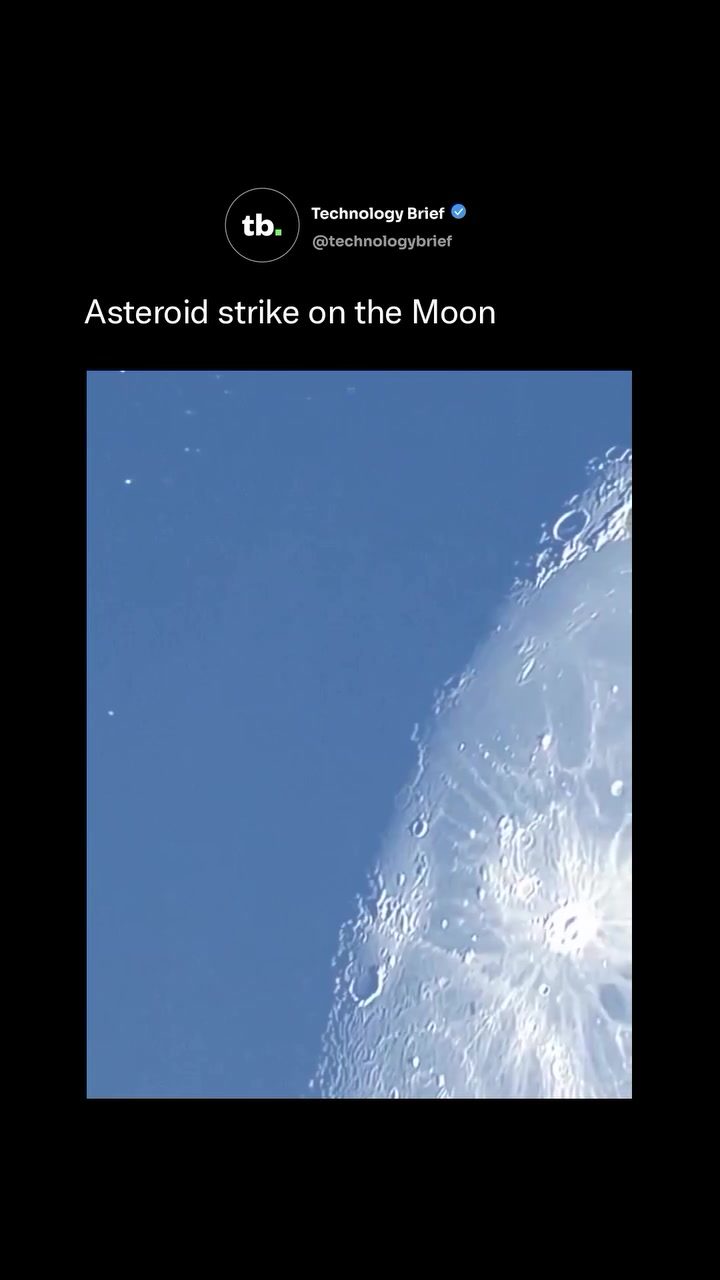
Asteroid Strike on the Moon
Asteroids striking the Moon are not as rare as one might think. Unlike Earth, the Moon lacks an atmosphere to burn up incoming space rocks. This means even small meteoroids hit its surface daily. Larger asteroid strikes, while much rarer, are still a frequent occurrence. Recent NASA data reveals that the impact rate on both the Moon and Earth has been roughly 2.6 times higher than before 290 million years ago. This increase is likely due to a major collision in the asteroid belt that sent more debris into the inner solar system.
Why This Matters
The Moon's lack of atmosphere makes it a unique target for asteroid impacts. Every day, even the smallest meteoroids can hit the lunar surface, leaving visible marks that can be studied. To understand the frequency and impact of these events, it's important to look at historical data and NASA's findings, which show an increased impact rate over the past 290 million years.
Main Discussion
The Frequency of Lunar Asteroid Impacts
The Moon's surface is a record of cosmic impacts, with craters of all sizes visible from both the surface and space. These impacts are not just a thing of the past; they are ongoing. NASA's data shows that the Moon is hit by meteoroids and asteroids frequently, with larger strikes happening less often but still more frequently than previously thought.
The Bright Flash
When an asteroid strikes the Moon, the event can be dramatic. The impact creates a bright flash that is visible from Earth without the need for a telescope. On March 17, 2013, an object less than two feet wide struck the Moon at around 56,000 miles per hour. The impact produced an explosion bright enough to be seen with the naked eye. This event highlights the visible nature of even small impacts on the lunar surface.
Debunking Viral Videos
With the rise of social media, videos claiming to show asteroid strikes on the Moon have gone viral. However, fact-checkers and NASA have consistently found no evidence supporting these specific clips. While it's true that the Moon is being hit all the time, the dramatic and cinematic way these videos portray the events is often exaggerated or fictionalized.
Impact Rate and the Asteroid Belt
The increased impact rate on both the Moon and Earth can be traced back to a major collision in the asteroid belt. This collision occurred around 290 million years ago and sent a significant amount of debris into the inner solar system. The resulting increase in impacts is a direct result of this event, highlighting the interconnected nature of our solar system.
The Science of Asteroid Impacts
Asteroid impacts occur when space rocks travel at high velocities and collide with the lunar surface. The lack of an atmosphere on the Moon means there is nothing to slow down or burn up these incoming objects. This makes the Moon an excellent subject for studying asteroid impacts and their effects.
The Effects of These Impacts
When a meteoroid or asteroid hits the Moon, it creates a crater. The size and shape of the crater depend on the size and velocity of the impactor. The impact also creates a plume of dust and debris that can be seen from space. These impacts leave lasting marks on the lunar surface, providing a visual record of the Moon's history.
Practical Tips
What to Look For
Those observing the Moon can occasionally witness these impacts with the naked eye, especially during larger events. However, for smaller impacts, a telescope or binoculars can be helpful. The key is to look for a bright flash of light on the lunar surface, which can last for a short duration.
How to Distinguish Real from Fake
With the prevalence of viral videos, distinguishing real footage from fake can be challenging. Look for credible sources and official statements from NASA or other reputable scientific organizations. Always verify the authenticity of the footage before sharing it.
Key Points to Remember
- The Moon is a frequent target for asteroid impacts due to its lack of atmosphere.
- The impact rate has increased significantly over the past 290 million years.
- Large impacts can produce visible flashes from Earth without a telescope.
- Not all viral videos showing asteroid strikes are authentic.
Important Takeaways
Asteroid impacts on the Moon are a natural and frequent occurrence. Understanding the frequency and impact of these events can provide valuable insights into the history and future of our solar system. It's essential to rely on credible sources and scientific data when learning about these events, as misinformation can spread quickly.
Conclusion
Asteroid strikes on the Moon are a fascinating and ongoing phenomenon. From the small meteoroids that hit daily to the larger impacts that can be seen from Earth, these events offer a unique window into the solar system's dynamics. By understanding the science behind these impacts and relying on credible information, we can gain a deeper appreciation for the Moon and its role in our solar system.
Questions readers ask
How often do asteroids hit the Moon compared to Earth?
Asteroids hit the Moon daily, while Earth's atmosphere burns up many incoming space rocks. Recent NASA data shows that the Moon experiences more frequent impacts, with large asteroids striking more often than previously thought. This is because the Moon lacks an atmosphere to protect it from cosmic debris.
What has NASA's recent data revealed about asteroid impacts on the Moon?
Recent NASA findings indicate an increase in asteroid impact rates on the Moon. NASA's data shows a 2.6 times higher asteroid impact rate on both the Moon and Earth over the past 290 million years compared to earlier periods. This increase is likely due to a major collision in the asteroid belt.
Why is the Moon a valuable subject for studying asteroid impacts?
The Moon's lack of atmosphere makes it an ideal target for asteroid impacts. Every day, meteoroids of all sizes hit the lunar surface, leaving visible marks for scientists to study. Unlike Earth, the Moon retains a record of these impacts, making it a valuable resource for understanding cosmic impacts.
What causes the frequent asteroid strikes on the Moon?
The frequent asteroid strikes on the Moon are primarily due to its lack of atmosphere. Without an atmosphere to burn up incoming space rocks, even the smallest meteoroids can hit the lunar surface. This makes the Moon a unique target for studying the frequency and effects of asteroid impacts.
What is the significance of the increase in asteroid impact rates?
The increase in asteroid impact rates is significant because it provides insights into the dynamics of the asteroid belt and the inner solar system. It also highlights the importance of studying the Moon's surface for understanding past and potential future impacts on Earth.
What might happen if an asteroid hits the Moon while you are observing it with a telescope?
If an asteroid hits the Moon while you are observing it with a telescope, you might see a bright flash of light. These flashes, also known as transient lunar phenomena, can occur when an asteroid impacts the lunar surface, releasing energy and creating a visible flash.
Related deep dives
Similar reads based on topic and creator.


Recent articles
Fresh deep dives from the latest Reels we unpacked.




Comments
Be the first to comment.