The Oxygen-Producing Power of Trees
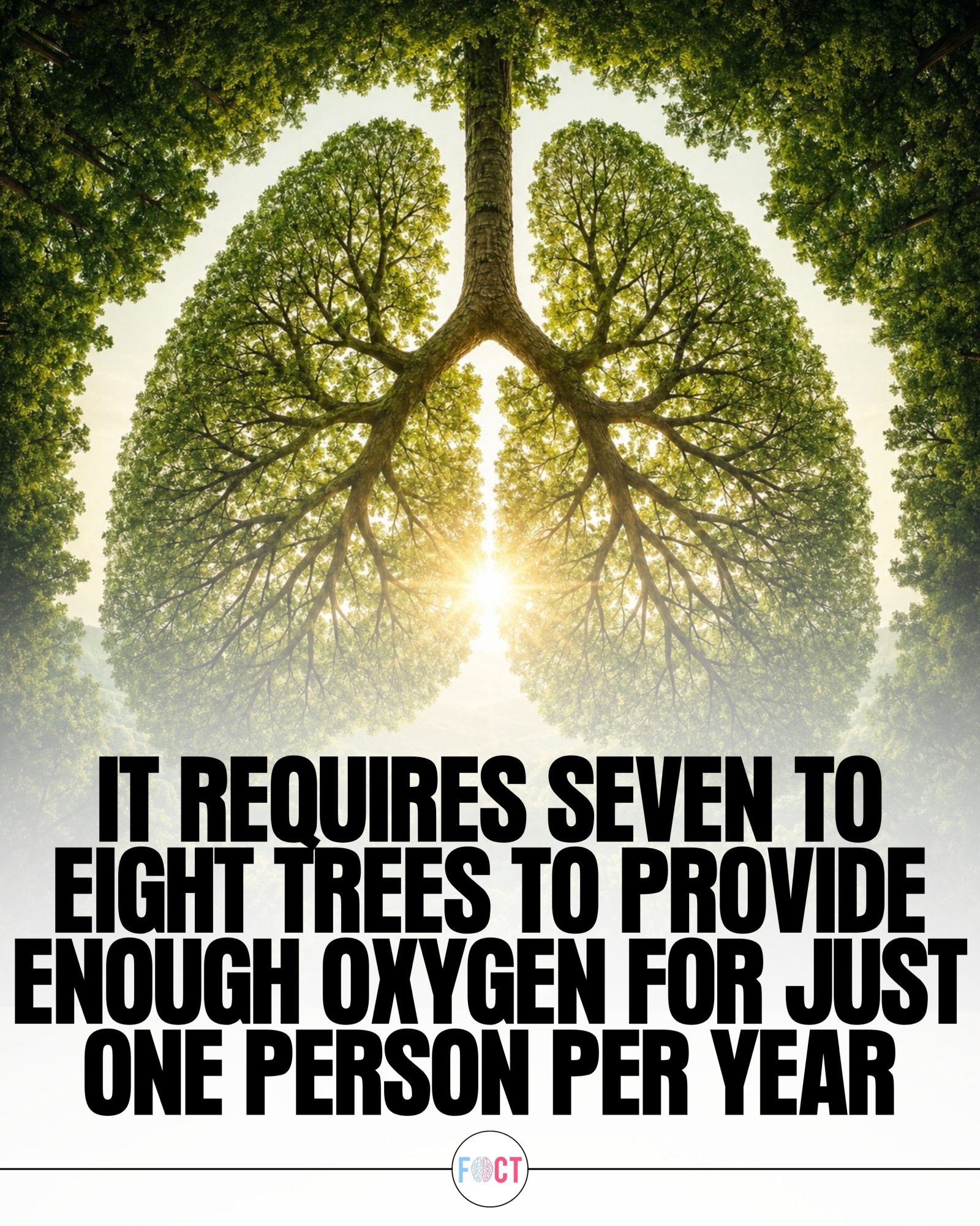
Trees play a crucial role in producing the oxygen that sustains life on Earth. The claim that it takes seven to eight trees to support one person annually stems from a basic biological calculation. While this figure provides a useful benchmark, the actual oxygen production capacity of trees varies widely based on several factors. Let's delve into the science behind this concept, explore the nuances, and understand the broader implications for environmental awareness.
Context / Why This Matters
Oxygen is vital for human survival, and trees are one of the primary sources of this life-sustaining gas. Understanding the oxygen-producing capacity of trees can help us appreciate the importance of forests and inspire efforts to preserve and expand these vital ecosystems. This knowledge also highlights the need for sustainable forestry practices and the importance of planting trees in urban areas.
The Science Behind Oxygen Production
An average human requires about 740 kilograms of oxygen annually. A typical mature tree produces between 100 and 120 kilograms of oxygen per year through the process of photosynthesis. This biological process involves trees absorbing carbon dioxide and releasing oxygen as a byproduct. However, the exact amount of oxygen a tree produces can vary significantly based on its species, size, and overall health.
Tree Species and Size
Different tree species have varying degrees of oxygen production. For instance, larger, leafier trees generally produce more oxygen than smaller or less leafy ones. Forestry data from organizations like the USDA shows that a single massive, leafy tree can sometimes generate enough oxygen for up to ten people. This variability means that the seven to eight trees figure is an average and can fluctuate based on the specific characteristics of the trees in question.
Tree Health and Age
The health and age of a tree also play a critical role in its oxygen-producing capacity. Younger, healthier trees are generally more efficient at photosynthesis and produce more oxygen. Conversely, older or unhealthy trees may produce less oxygen. This is an essential consideration for forest management and conservation efforts, as maintaining the health of existing trees is crucial for sustaining their oxygen production.
The Role of Phytoplankton
On a global scale, the net oxygen benefit of forests is temporary. When a tree dies and decomposes, it consumes nearly the exact amount of oxygen it produced while alive. This cyclical balance means that the vast majority of Earth's permanent breathable oxygen actually originates from oceanic phytoplankton. These microscopic marine organisms are responsible for producing a significant portion of the world's oxygen through photosynthesis.
Marine vs. Terrestrial Oxygen Production
Phytoplankton, found in the ocean's surface waters, are incredibly efficient at converting carbon dioxide into oxygen. This process accounts for a substantial portion of the world's oxygen production, making marine ecosystems vital for sustaining life on Earth. While trees play a crucial role in local oxygen production and air filtration, their contribution to the global oxygen supply is relatively small compared to that of phytoplankton.
Local vs. Global Oxygen Production
While phytoplankton are the primary global oxygen producers, trees are essential for local oxygen production and air filtration. Planting trees in populated areas remains critical for several reasons, including immediate carbon dioxide reduction and local air quality improvement.
Urban Tree Planting
In urban environments, trees serve multiple purposes beyond oxygen production. They provide shade, improve air quality, and contribute to the overall aesthetics and livability of cities. Trees in urban areas also help mitigate the urban heat island effect, making cities more comfortable and energy-efficient. Therefore, while they may not be the primary global oxygen producers, trees in urban settings are invaluable for enhancing the quality of life for city dwellers.
Carbon Dioxide Reduction
One of the most critical roles of trees is their ability to absorb carbon dioxide from the atmosphere. Through photosynthesis, trees convert carbon dioxide into oxygen and organic matter, helping to reduce the levels of this greenhouse gas in the air. This process is vital for mitigating climate change and maintaining a healthy atmosphere. Trees in urban areas, therefore, not only provide immediate benefits in terms of air quality and oxygen production but also contribute to long-term environmental sustainability.
Practical Tips for Planting and Maintaining Trees
Planting and maintaining trees is a straightforward yet impactful way to contribute to environmental health. Here are some practical tips for planting and caring for trees:
Choose the Right Tree
Selecting the right tree species for your location is crucial. Consider factors such as climate, soil type, and available space. Native tree species are often the best choice, as they are adapted to the local environment and require less maintenance. Consult local nursery experts for recommendations tailored to your area.
Planting Techniques
When planting a tree, dig a hole that is at least twice as wide and just as deep as the tree's root ball. Ensure the tree is planted at the correct depth, with the root flare (the point where the roots meet the trunk) level with the ground. Fill the hole with the original soil, and water it thoroughly.
Watering and Mulching
Regular watering is essential for the health of young trees. Provide deep, infrequent watering to encourage root growth. Apply a layer of organic mulch around the base of the tree to retain moisture, suppress weeds, and regulate soil temperature.
Pruning and Care
Prune your trees regularly to remove dead or diseased branches and promote healthy growth. Proper pruning techniques can help maintain the tree's shape and structure, preventing potential hazards. Consult a certified arborist for guidance on pruning and tree care.
Important Takeaways
Understanding the oxygen-producing capacity of trees and their role in local and global ecosystems is essential for environmental awareness and sustainability. Key takeaways include:
- Trees are crucial for local oxygen production and air filtration, especially in urban areas.
- The actual oxygen production of trees varies based on species, size, and health.
- Phytoplankton in the ocean are the primary global oxygen producers.
Conclusion
Trees are vital for maintaining a healthy atmosphere and supporting life on Earth. While the seven to eight trees figure provides a useful benchmark for understanding the oxygen-producing capacity of trees, it's important to recognize the variability and complexity of this process. By appreciating the role of trees in both local and global ecosystems, we can better understand the importance of forest conservation and sustainable practices. Planting and maintaining trees in urban areas is a practical and impactful way to contribute to environmental health and improve the quality of life for everyone.
Questions readers ask
How many trees are needed to provide enough oxygen for one person for a year?
The general estimate is that it takes around seven to eight trees to supply the oxygen needs of one person annually. However, this number can vary based on the type, size, and health of the trees, as well as the specific oxygen consumption of the individual.
What factors influence the amount of oxygen a tree produces?
Several factors influence a tree's oxygen output: the species of the tree, its size, overall health, and the environmental conditions. Larger, healthier trees generally produce more oxygen, while younger or smaller trees produce less.
How much oxygen does a single mature tree produce annually?
On average, a single mature tree can produce approximately 100-120 kilograms of oxygen per year. This figure can fluctuate depending on the specific characteristics of the tree, such as its species and overall health.
Why is it important to understand the oxygen-producing capacity of trees?
Understanding how much oxygen trees produce helps us recognize the critical role forests play in sustaining life. This knowledge can motivate efforts to preserve existing forests and promote sustainable practices that ensure their expansion and health.
How do trees produce oxygen?
Trees produce oxygen through the process of photosynthesis, where they absorb carbon dioxide and release oxygen as a byproduct. This process not only provides us with oxygen but also helps to mitigate the effects of climate change by absorbing carbon dioxide from the atmosphere.
What is the significance of sustainable forest practices in relation to oxygen production?
Sustainable forest practices are essential for maintaining and enhancing the oxygen-producing capacity of forests. These practices ensure that trees are not overexploited, allowing them to continue producing oxygen and supporting the ecosystems that depend on them.
How can I contribute to maintaining the oxygen supply from trees?
You can contribute by supporting reforestation efforts, planting trees in your local community, and advocating for policies that protect and sustain forests. Additionally, adopting habits that reduce your carbon footprint can indirectly support the health of our oxygen-producing ecosystems.
Related deep dives
Similar reads based on topic and creator.

Recent articles
Fresh deep dives from the latest Reels we unpacked.




Comments
Be the first to comment.