Understanding the Housing Affordability Crisis: A Look at Minimum Wage and Living Costs
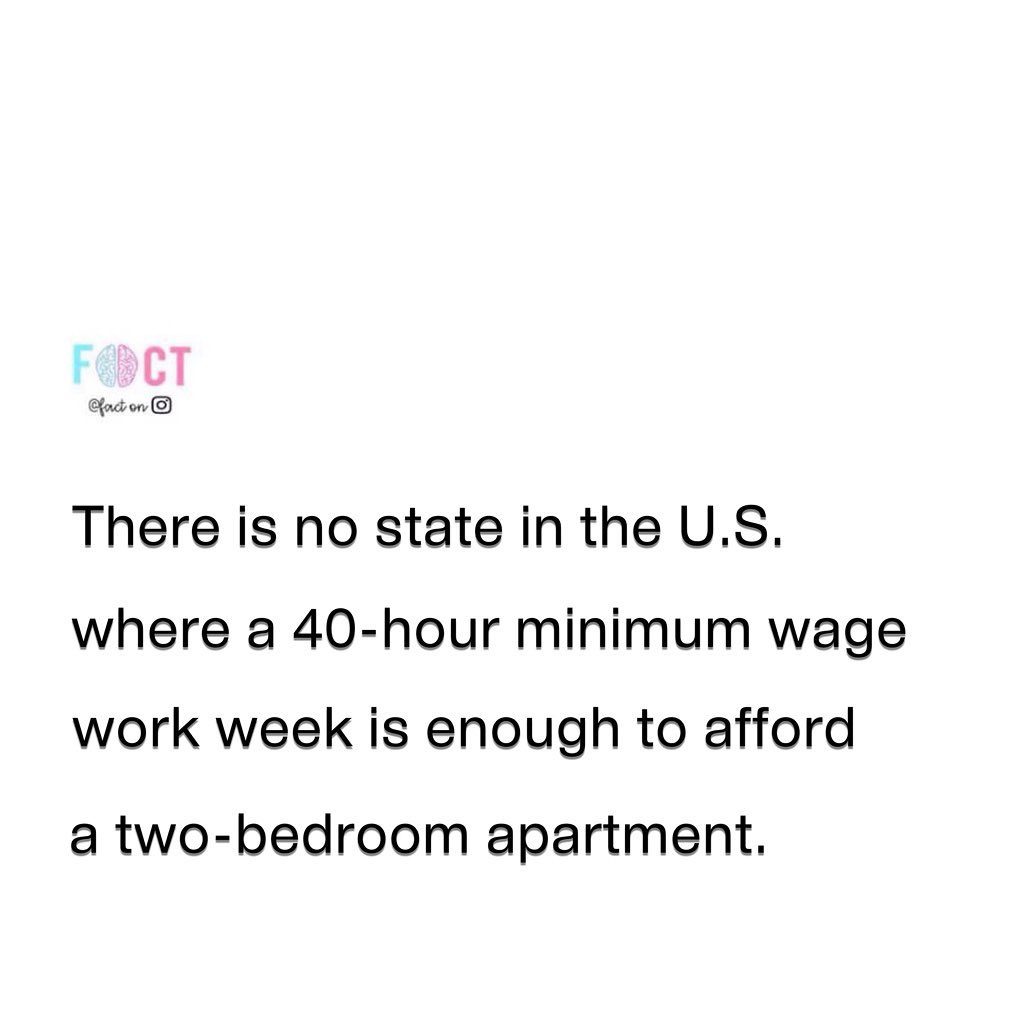
In the United States, the relationship between minimum wage and housing affordability is a pressing issue. The stark reality is that no state in the U.S. has a minimum wage that allows someone working 40 hours a week to afford a two-bedroom apartment.
Why This Matters
The gap between wages and housing costs has significant implications for individuals, families, and communities. It affects everything from financial stability to overall quality of life. Understanding this disparity is crucial for policymakers, advocates, and anyone interested in addressing economic inequality.
The Current Landscape of Minimum Wage and Housing Costs
The Harsh Reality
For many Americans, the minimum wage simply does not cover the cost of living, particularly when it comes to housing. This is evident in the fact that in no state can a full-time worker earning the minimum wage afford a two-bedroom apartment. This reality highlights a significant disconnect between what people earn and what they need to live comfortably.
The Impact on Families
The inability to afford a two-bedroom apartment means families often face difficult choices. They may have to settle for smaller apartments, move to less desirable neighborhoods, or even live in overcrowded conditions. These choices can have long-term effects on a family's well-being, including access to quality education, healthcare, and social services.
The Role of Policy and Economics
The Minimum Wage Debate
The minimum wage debate is ongoing, with arguments on both sides. Proponents of raising the minimum wage argue that it would provide a more livable income, reducing the financial burden on low-income workers. Opponents, however, contend that increasing the minimum wage could lead to job losses and increased costs for businesses.
The Housing Market
Housing costs have skyrocketed in recent years, driven by factors such as increased demand, limited supply, and rising construction costs. This has made it increasingly difficult for low-income workers to find affordable housing, exacerbating the issue of housing affordability.
Practical Tips for Navigating the Housing Market
Budgeting and Financial Planning
For those struggling to make ends meet, budgeting and financial planning are crucial. Creating a budget can help individuals understand their expenses and prioritize spending. Financial planning tools and resources are available to help with this process.
Seeking Assistance
There are various programs and resources available to help low-income individuals and families with housing costs. These include rental assistance programs, housing vouchers, and subsidies. Researching and applying for these programs can provide much-needed relief.
Consider Alternative Living Arrangements
When traditional housing options are unaffordable, alternative living arrangements such as co-living, shared housing, or even tiny homes can be considered. These alternatives can be more cost-effective and may offer a sense of community.
Important Takeaways
The housing affordability crisis in the United States is a complex issue with far-reaching consequences. The fact that no state has a minimum wage that allows for the affordability of a two-bedroom apartment underscores the severity of the problem. Addressing this issue requires a multi-faceted approach, including policy changes, economic interventions, and individual strategies.
Conclusion
The relationship between minimum wage and housing affordability is a critical issue that affects millions of Americans. By understanding the current landscape, the role of policy and economics, and practical tips for navigating the housing market, we can begin to address this crisis. It is essential to continue the conversation and advocate for changes that can improve the lives of those most affected by this issue.
Questions readers ask
How does the minimum wage compare to the cost of rent in the US?
The minimum wage in the US falls significantly short of covering the cost of a two-bedroom apartment in every state. Even working full-time at the minimum wage, individuals struggle to afford basic housing, let alone other necessities.
What are the main consequences of the housing affordability crisis?
The housing affordability crisis can lead to financial instability, overcrowding, and even homelessness. It forces many families to choose between paying rent and covering other essential expenses, ultimately affecting their overall quality of life.
Which areas in the US are most affected by the housing cost disparity?
While the issue is widespread, coastal cities and major metropolitan areas tend to be hit the hardest due to high demand and limited housing supply. States with lower minimum wages and higher housing costs, like Florida and Texas, also face significant challenges.
How does the housing affordability crisis impact economic inequality?
The housing affordability crisis exacerbates economic inequality by disproportionately affecting low-income individuals and families. It limits their ability to save, invest, or improve their living conditions, making it difficult to break out of the cycle of poverty.
What are some potential solutions to address the minimum wage and housing cost disparity?
Potential solutions include increasing the minimum wage to better align with living costs, investing in affordable housing initiatives, and implementing policies that protect tenants' rights and promote fair housing practices. Addressing zoning laws and supply chain issues may also help to balance supply and demand.
How does the housing affordability crisis affect communities?
The housing affordability crisis can lead to increased homelessness, overcrowding, and gentrification, which can displace long-term residents and change the character of neighborhoods. It can also strain local resources and services, impacting the overall well-being of communities.
What resources are available for individuals struggling with housing affordability?
Individuals struggling with housing affordability can explore local housing assistance programs, non-profit organizations, and government initiatives that provide temporary relief or long-term housing solutions. Additionally, they can seek legal advice to understand their tenant rights and options.
Recent articles
Fresh deep dives from the latest Reels we unpacked.




Comments
Be the first to comment.