Royal Women Succession
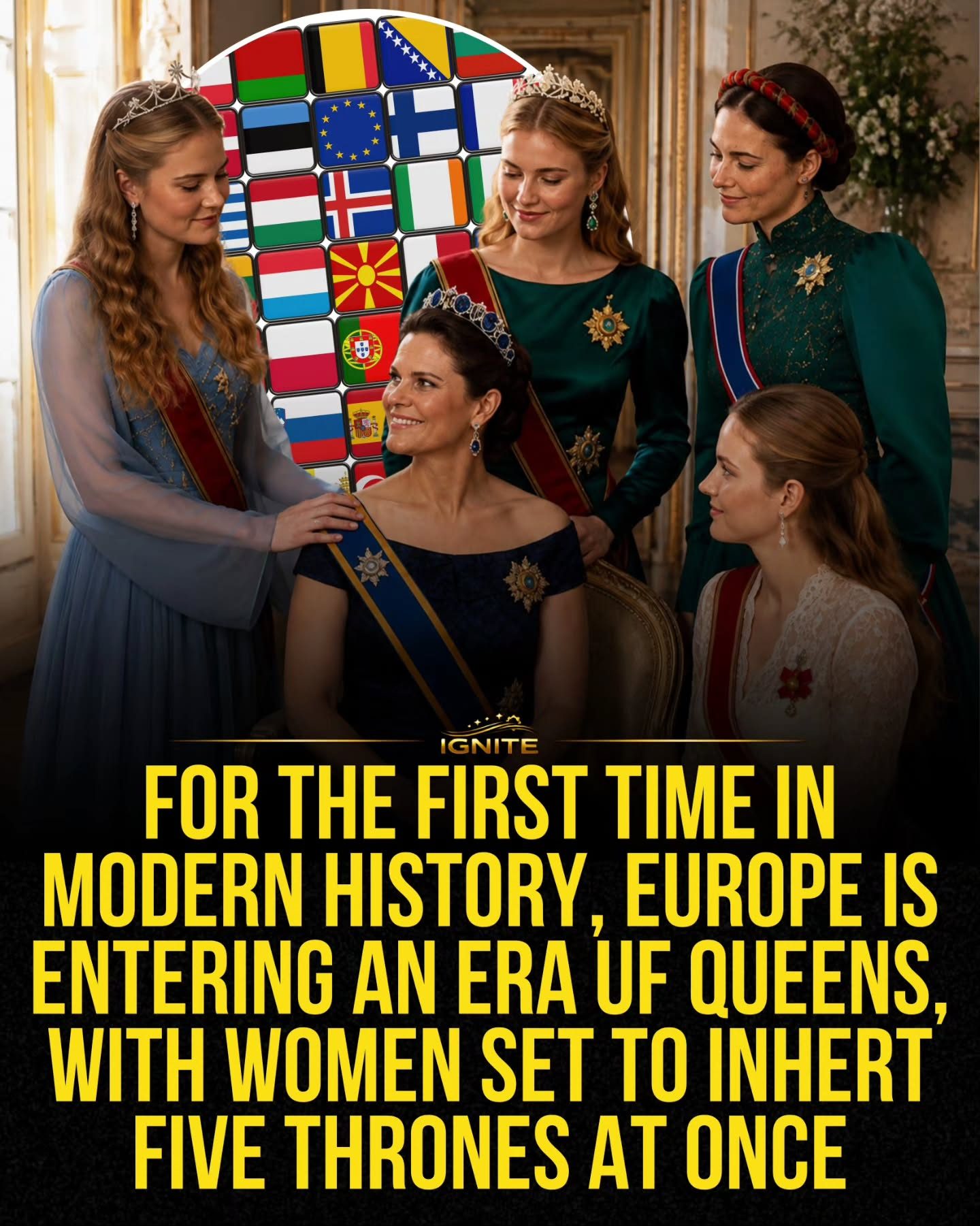
Five European monarchies are on the brink of a historic shift, as five thrones are expected to pass to women. This unprecedented event marks the first time in modern history that Europe will witness such a significant concentration of female leadership in royal households.
Context: Why this matters
The pending ascensions of these princesses to their respective thrones signify more than just a change in leadership. They represent a potential shift in the dynamics of European royalty, with women taking on prominent roles as heads of state. This shift could influence public perception of monarchy, gender roles within royal families, and the ways in which these institutions adapt to contemporary societal expectations.
Main Discussion
The Princesses in Line
Five princesses are poised to take the reins of their countries' monarchies. Here's a closer look at each of them:
-
Princess Elisabeth of Belgium: As the eldest child of King Philippe and Queen Mathilde, Princess Elisabeth is first in line to the Belgian throne. She has already begun taking on royal duties and is widely seen as the future face of the Belgian monarchy.
-
Princess Catharina Amalia of the Netherlands: Known as Princess Amalia, she is the eldest child of King Willem-Alexander and Queen Maxima. She has been preparing for her future role, undertaking various official engagements and gaining experience in royal duties.
-
Princess Ingrid Alexandra of Norway: Princess Ingrid Alexandra is the daughter of Crown Prince Haakon and Crown Princess Mette-Marit. She is second in line to the throne, after her father, and has been taking on more royal responsibilities in recent years.
-
Crown Princess Victoria of Sweden: Although already a Crown Princess, Victoria is first in line to the Swedish throne. She has been actively involved in royal duties for many years, and her ascension is expected to bring continuity and stability to the Swedish monarchy.
-
Princess Leonor of Spain: As the eldest daughter of King Felipe VI and Queen Letizia, Princess Leonor is first in line to the Spanish throne. She has been preparing for her future role through education and royal engagements.
The Historical Significance
This event is historic for several reasons. Firstly, it is the first time in modern history that five European thrones will be inherited by women simultaneously. This marks a significant shift in the traditionally male-dominated realm of European royalty.
Secondly, these princesses are not just symbols of their respective monarchies; they are active participants in their countries' affairs. Most have already begun taking on official royal duties, from representing their countries at international events to supporting charitable causes. Their ascensions could bring a renewed focus on the roles and responsibilities of modern monarchs, as well as the ways in which they interact with their subjects.
The Potential Impact
The ascension of these princesses could have several impacts on European royalty and society. For one, it could influence public perception of monarchy, particularly in relation to gender roles. Seeing women in positions of power could inspire conversations about gender equality and challenge traditional gender roles.
Furthermore, these princesses are coming of age in a world vastly different from that of their predecessors. They are likely to bring fresh perspectives and approaches to their roles, adapting to the modern world and its challenges in ways that reflect contemporary societal expectations.
Lastly, the presence of multiple female monarchs could foster greater cooperation and collaboration between European royal families. Shared experiences and challenges could lead to increased solidarity and mutual support, strengthening the bonds between these historic institutions.
Practical Tips
For those interested in following this historic shift, here are some tips:
-
Stay Informed: Keep up with news and updates about each princess and their respective royal families. Understand their current roles, responsibilities, and the expectations placed upon them.
-
Follow Official Social Media Channels: Many royal families have official social media accounts that provide insights into their daily activities, official engagements, and personal interests.
-
Learn About Their Cultural and Historical Contexts: Understand the history and traditions of each monarchical institution to better appreciate the significance of these events.
Important Takeaways
These princesses are the future of their respective monarchies, and their ascensions could herald a new era for European royalty. They represent the possibility of change and adaptation, and their stories offer a window into the complex and endlessly fascinating world of royalty.
The potential for a historic first is significant, and these monarchies will face the challenges and opportunities that come with having women in power. How do such monarchies adapt? We are eager to see.
Conclusion
As Europe prepares for a historic wave of female monarchs, the stage is set for a transformative period in the continent's royal landscape. This shift has the potential to redefine perceptions of monarchy, influence societal norms, and foster greater cooperation and solidarity among European royal families. Stay tuned for the unfolding of this fascinating and momentous chapter in European history.
Questions readers ask
Which countries are expected to see female monarchs ascend to the throne?
The article mentions five European countries: Belgium, the Netherlands, Norway, and Sweden. Each of these countries is expected to have a woman reigning. This is one of the reasons why this shift is unprecedented.
Why is this shift in European royal leadership significant?
This event is notable because it is the first time in modern history that such a concentration of female leadership has been seen, with women taking on prominent roles as heads of state in European royal households.
Who are the women expected to ascend to the throne in Europe?
The princesses mentioned in the article are Princess Elisabeth of Belgium, Princess Catharina-Amalia of the Netherlands, Princess Ingrid Alexandra of Norway, and Crown Princess Victoria of Sweden. These individuals are all expected to inherit their respective thrones in the near future.
How might the ascension of these female monarchs influence public perception of monarchy in Europe?
As the future monarchs of their respective countries, the ascension of these women can potentially influence public perception of monarchy. This shift of European royal women can also influence the dynamics of European royalty, with women taking on prominent roles.
What is the significance of the timing of this historic shift in European royal succession?
The timing of this shift in Europe royal succession is significant, as it represents a potential shift in the dynamics of European royalty, with women taking on prominent roles as heads of state in a way that has not been seen in modern history.
How might this historic shift in European royal succession influence gender roles within royal families?
The ascension of these women to their respective thrones could influence gender roles within royal families, as it shows a move towards an institution that is more in line with contemporary societal expectations.
What is the relevance of European monarchy and female royalty in 2023?
European monarchies have been evolving for centuries, and the ascension of these five future European monarchs to the throne is one of the major royal events of 2023. This event is one of the reasons why the relevance of European royalty and female royalty is increasing.
Related deep dives
Similar reads based on topic and creator.


Recent articles
Fresh deep dives from the latest Reels we unpacked.




Comments
Be the first to comment.