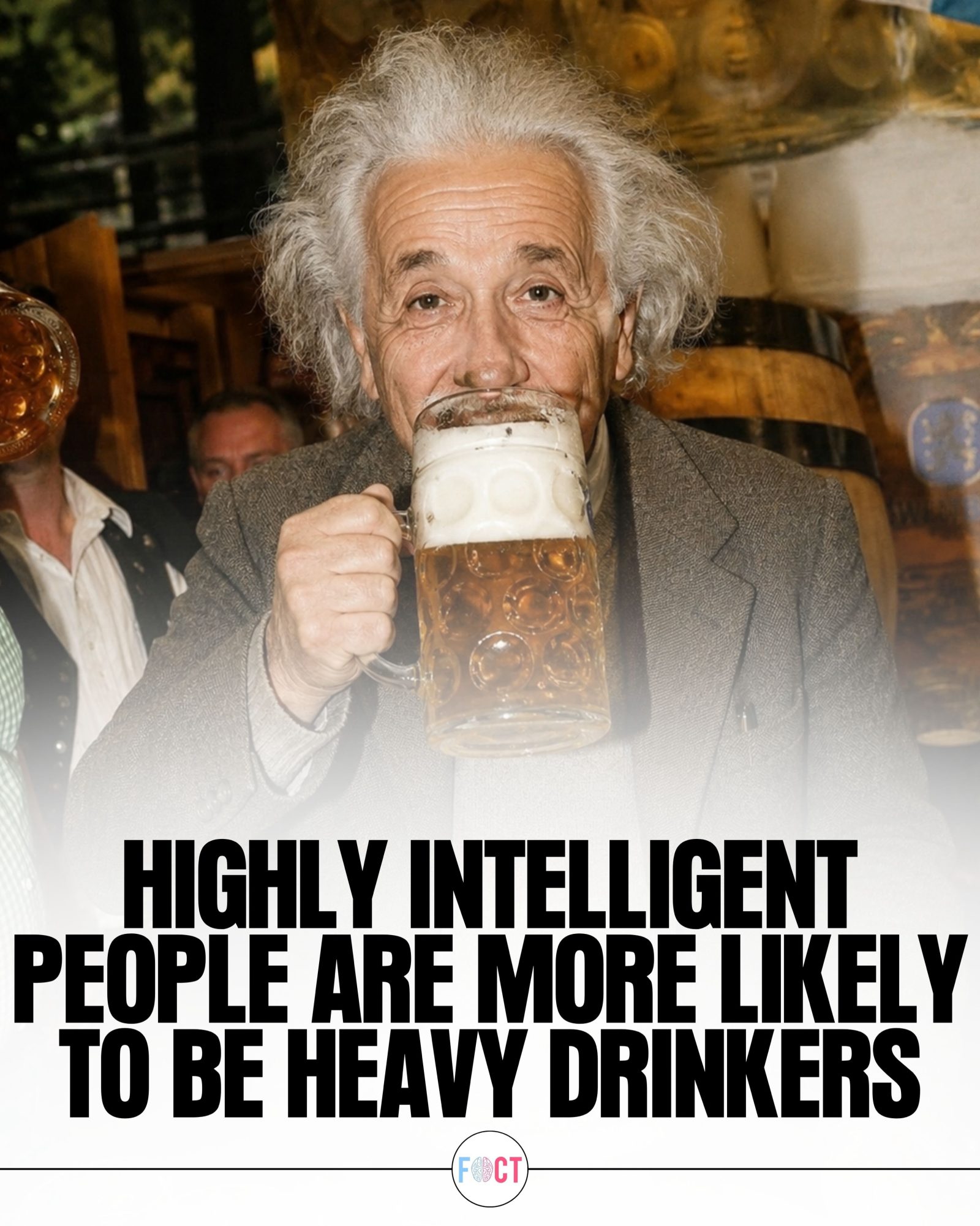
The Connection Between Intelligence and Alcohol Consumption
Research on the relationship between intelligence and alcohol use has yielded intriguing, if not always conclusive, results. Some studies suggest that individuals with higher cognitive abilities in childhood are more likely to drink alcohol regularly or consume it more heavily as adults. This correlation, however, is far from straightforward, and understanding it requires delving into various social, cultural, and psychological factors.
Why This Matters
Exploring the link between intelligence and alcohol consumption is more than just academic curiosity. It touches on broader issues related to public health, social behaviors, and the complex interplay between genetics and environment. By understanding these connections, we can better address health concerns and social trends, potentially leading to more effective interventions and healthier lifestyles.
The Link Between Intelligence and Alcohol Use
Statistical Associations
Several studies have found a statistical association between higher cognitive ability and increased alcohol consumption. This doesn't mean that intelligence directly causes heavy drinking, but rather that there is a complex interplay of factors at work. For instance, individuals with higher intelligence may have greater openness to new experiences, including the experimentation with alcohol. They also might be more likely to be in social and professional environments where alcohol is more common, such as academic or professional settings where networking often involves social drinking.
Societal and Cultural Factors
Cultural and lifestyle factors play a significant role in this relationship. Higher education levels, often associated with higher cognitive abilities, can lead to different social norms and expectations. For example, alcohol consumption might be more prevalent in environments where higher education is common, such as academic conferences, professional workshops, or social gatherings. These contexts can normalize and even encourage alcohol use, leading to higher consumption rates.
Psychological Factors
Psychological factors also come into play. Greater openness to new experiences and curiosity, traits often associated with higher intelligence, can lead individuals to explore alcohol more freely. This doesn't necessarily mean that they will drink heavily, but it does suggest a greater likelihood of experimentation and, consequently, a higher risk of developing alcohol use habits.
Practical Tips
Moderation
If you find yourself enjoying a drink or two more than you might have in the past, moderation is key. Excessive alcohol consumption, regardless of IQ, can lead to severe health risks, including liver disease, heart problems, and an increased risk of certain cancers. Keeping track of your intake and understanding your limits can help maintain a healthy balance.
Awareness
Being aware of your drinking habits and the context in which you drink is crucial. Recognizing whether you are drinking more because of social pressures, curiosity, or other factors can help you make more informed choices. If you notice that your drinking habits are changing, it might be worth reflecting on why and whether it aligns with your overall health goals.
Important Takeaways
Complex Relationship
The relationship between intelligence and alcohol consumption is complex and multifaceted. It involves a mix of social, cultural, and psychological factors, and it's essential to understand that intelligence alone does not determine drinking habits. The key takeaway is that while some studies have observed a link between higher cognitive ability and greater alcohol use, the reasons are not straightforward.
Healthy Lifestyle
No matter your IQ or educational background, maintaining a healthy lifestyle that includes moderation in alcohol consumption is crucial. Excessive alcohol use poses numerous health risks, and being mindful of your drinking habits can help mitigate these risks.
Social and Professional Environments
For those in academic or professional settings, understanding the social norms around alcohol use is essential. Recognizing that alcohol might be more prevalent in these environments can help you make more informed decisions. The social environment does not dictate your behavior, but being aware can help you navigate it more effectively.
Conclusion
The link between intelligence and alcohol use is a fascinating area of study that reveals much about human behavior and societal norms. While some studies suggest a correlation, it's crucial to understand that this relationship is influenced by a variety of factors, from psychological traits to cultural contexts. By staying informed and mindful of our drinking habits, we can make healthier choices that align with our overall well-being.
Questions readers ask
Do all studies agree that intelligent people drink more?
Not all studies conclude that highly intelligent individuals drink more. While some research suggests a correlation between higher cognitive abilities and increased alcohol consumption, other factors—such as social influences and individual personalities—can significantly impact drinking habits.
What social factors influence drinking habits in intelligent people?
Social factors play a significant role in the drinking habits of intelligent individuals. These can include peer pressure, cultural norms, and social environments that may promote or discourage alcohol consumption. For example, highly intelligent people may be more likely to frequent social settings where alcohol is prevalent.
How does intelligence affect the type of alcohol consumed?
Intelligence doesn't necessarily dictate the type of alcohol consumed. However, highly intelligent individuals might have more varied tastes and be more adventurous in their alcohol choices, leading to a broader range of beverages. This could be due to their curiosity and exposure to diverse experiences.
Are there psychological factors that explain why smarter people might drink more?
Psychological factors can indeed play a role. Some theories suggest that highly intelligent individuals may use alcohol to cope with feelings of boredom, isolation, or the stress of their complex thought processes. Additionally, they might be more prone to overthinking and may turn to alcohol as a means to relax.
Does higher intelligence always lead to heavier drinking?
No, higher intelligence does not always lead to heavier drinking. The relationship is complex and influenced by many variables. While some highly intelligent people may drink more, others may abstain or drink moderately, depending on their personal beliefs, cultural background, and life experiences.
Related deep dives
Similar reads based on topic and creator.




Recent articles
Fresh deep dives from the latest Reels we unpacked.




Comments
Be the first to comment.