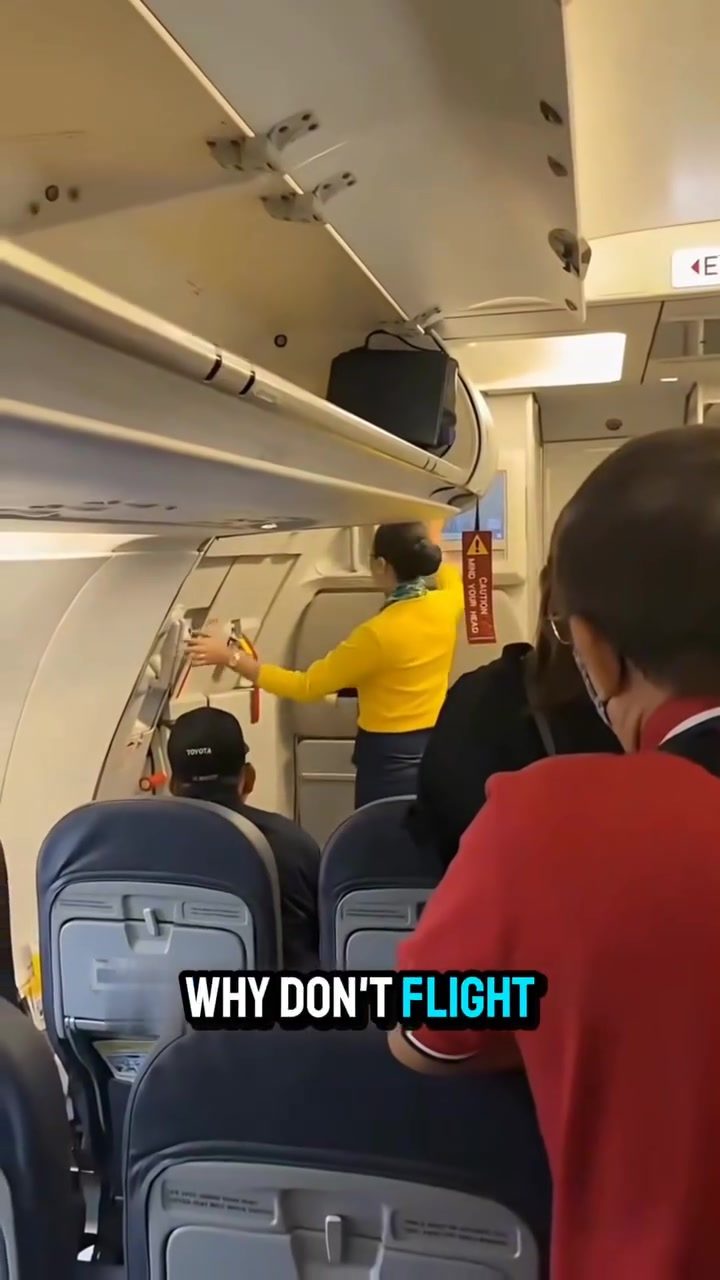
Airplane Doors Stay Closed After Landing: The Crucial Reasons
The frustration of waiting for airplane doors to open after landing is a shared experience for many passengers. However, understanding the critical steps that take place during those few minutes can shed light on the real reasons behind the delay.
Why Delay Matters
The few minutes after an airplane lands are far from idle time for the crew and ground staff. During this period, several safety protocols and procedures are meticulously followed to ensure the safety of passengers and crew alike. Understanding these procedures can help alleviate passenger frustration and appreciation for the crew's efforts.
Ground Crew Activities
Securing the Aircraft
The first critical step involves the ground crew securing the aircraft. This process begins with placing wheel chocks around the landing gear. These chocks are essential for preventing any unintended movement of the aircraft. Even a slight roll or movement can pose significant risks, especially in high-traffic or tight gate areas. This step is crucial for ensuring the plane remains stationary while passengers disembark.
Aligning the Jet Bridge
Next, the jet bridge must be carefully aligned with the cabin door. This alignment is not as straightforward as it may seem. The jet bridge must fit snugly against the aircraft door to prevent any gaps. Even a small gap can be dangerous, as it could allow passengers to slip or fall, leading to potential injuries.
Safety Precautions
Engine and Exhaust
While passengers might be eager to disembark, the engines and exhaust systems are still active. Engine blades continue spinning, and hot exhaust gases take time to dissipate. Approaching the aircraft too soon can be extremely dangerous, as the hot exhaust and moving parts can cause serious injuries. Therefore, ground staff must wait until these hazards are neutralized before allowing passengers to disembark.
Emergency Evacuation Slides
Another critical reason for the delay is the connection between aircraft doors and emergency evacuation slides. Until the captain disarms the system, opening the door could accidentally deploy the slide. This deployment can cause serious injuries to nearby passengers or crew and result in costly damage to the aircraft. The slides are designed to inflate instantly upon deployment, making it crucial to ensure they are not activated prematurely.
Ensuring Passenger Safety
The procedures carried out during these critical minutes are not merely about efficiency; they are about ensuring the safety of every passenger. Crew members and ground staff work diligently to ensure that all protocols are followed, minimizing risks and guaranteeing a safe disembarkation process.
Practical Tips for Passengers
While the delay might be frustrating, here are a few tips to make the experience more bearable:
- Stay Calm and Patient: Understanding the importance of these safety measures can help you stay calm and patient.
- Follow Instructions: Pay attention to the crew's announcements and follow their instructions promptly. They are designed to ensure your safety.
- Stay Seated Until Instructed: Remain seated until the crew gives the all-clear to stand and disembark. This prevents any unnecessary movement that could compromise safety.
- Assist Others: If you see fellow passengers who might need assistance, offer a helping hand. This can make the process smoother for everyone.
Important Takeaways
The delay in opening airplane doors after landing is not arbitrary; it's a vital part of the safety protocol. Understanding the critical steps—securing the aircraft, aligning the jet bridge, waiting for the engines to cool, and ensuring evacuation slides are disarmed—can provide valuable insights into the importance of this waiting period. These procedures are essential for maintaining the safety and efficiency of the disembarkation process.
Conclusion
The next time you find yourself waiting for the cabin door to open after a flight, remember the critical safety measures being taken. These steps are designed to ensure your safety and the safety of those around you. By appreciating the importance of these procedures, you can transform frustration into understanding and patience.
Questions readers ask
Why do airplane doors remain closed for a few minutes after landing?
Airplane doors stay closed after landing to allow essential safety procedures to be carried out by the crew and ground staff. These steps include securing the aircraft, aligning the jet bridge, and ensuring engine hazards are neutralized.
What safety procedures are conducted after an airplane lands?
After landing, the ground crew secures the aircraft, aligns the jet bridge for passenger deplaning, and ensures that engine hazards are neutralized. These procedures are vital for the safety of both passengers and crew.
How does the alignment of the jet bridge contribute to safety?
Aligning the jet bridge is a crucial safety step. It ensures that passengers can deplane safely and efficiently, minimizing the risk of accidents or injuries during the disembarkation process.
Why is it important to neutralize engine hazards after landing?
Engine hazards such as high temperatures and moving parts can pose risks to passengers and ground crew. Neutralizing these hazards ensures a safe environment for everyone involved in deplaning and aircraft servicing.
What role does the ground crew play in airplane door delays?
The ground crew is instrumental in performing critical safety tasks after landing. Their duties include securing the aircraft, aligning the jet bridge, and ensuring engine hazards are mitigated, all of which contribute to the overall safety of the deplaning process.
Are there specific steps taken to ensure passenger safety during deplaning?
Yes, several steps are taken to ensure passenger safety, including aligning the jet bridge correctly, neutralizing engine hazards, and securing the aircraft to prevent any accidental movement. These steps help create a safe environment for passengers to exit the plane.
What happens if these safety procedures are not followed correctly?
If these safety procedures are not followed correctly, it can lead to potential hazards for passengers and crew, such as accidents during deplaning, exposure to engine hazards, or even movement of the aircraft. These risks underline the importance of adhering to the established safety protocols.
Related deep dives
Similar reads based on topic and creator.




Recent articles
Fresh deep dives from the latest Reels we unpacked.




Comments
Be the first to comment.