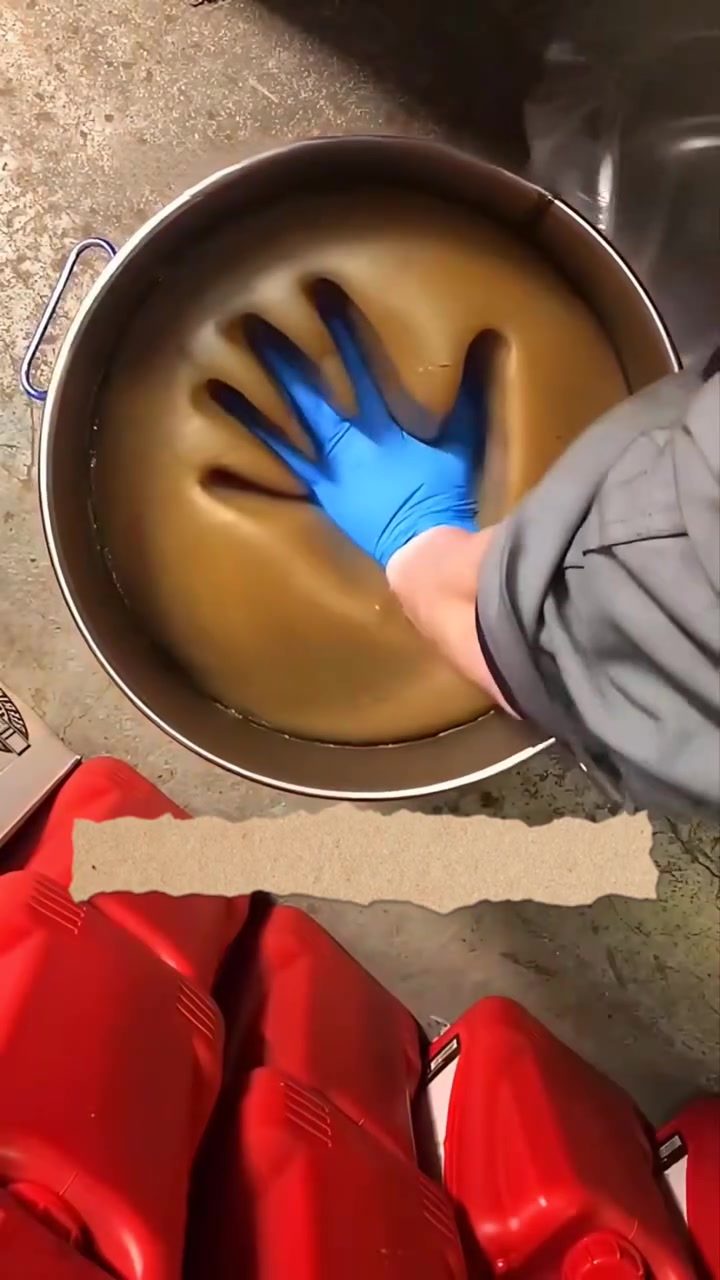
Grease: The Hidden Meanings Behind the Colors
The world of industrial grease is often overlooked, but the colors of grease serve a vital purpose. Understanding the significance of these colors can help industries operate more efficiently and safely. Let's delve into the various shades and their intended uses.
Why Do We Need Color-Coded Grease?
Industrial grease is not just a lubricant; it plays a critical role in preventing machinery wear and tear. The color-coding system helps workers quickly identify the correct grease for specific applications, ensuring that machinery runs smoothly and safely. This prevents cross-contamination and ensures the correct properties are used where they are needed most.
Different Colors, Different Uses
Red Grease
Red grease is designed for heavy-duty machines and high-temperature environments. This type of grease is often used in industrial settings where machinery operates under extreme conditions. Its unique formulation helps it maintain its lubricating properties even in high-heat situations, providing a vital layer of protection for heavy machinery.
Blue Grease
Blue grease is specifically formulated for wet environments like ships and water pumps. One of the key properties of blue grease is its ability to resist rust. Its water-resistant nature makes it an ideal choice for machinery that operates in or around water, such as marine engines and water treatment facilities. Blue grease works to prevent rust formation, extending the lifespan of the equipment and reducing maintenance requirements.
White Grease
White grease is commonly used in food equipment and precision machines. This type of grease is safe to use around sensitive parts because it remains clean and does not contaminate food products. It's often found in kitchen equipment, dairy processing machines, and other food handling machinery. Its non-toxic nature and cleanliness make it a reliable choice for environments where hygiene is paramount.
Green Grease
Green grease is frequently used in farm machinery. This grease is formulated to resist corrosion and oxidation, making it ideal for outdoor equipment that is exposed to the elements. Its green color serves as a visual indicator, helping farmers and agricultural workers identify the correct grease for their machinery, ensuring that it remains well-lubricated and functional, even in harsh conditions.
Yellow or Brown Grease
Yellow or brown grease is the most common type, typically used in household appliances and everyday machines. This versatile grease is formulated to provide general lubrication, helping to reduce friction and wear in a wide range of applications. It's economical and suitable for most routine maintenance tasks, making it a staple in many households and small businesses.
Practical Tips for Handling and Applying Grease
-
Identify the Grease: Use the color-coding system to quickly identify the correct grease for the job. This helps prevent cross-contamination and ensures the right properties are applied to the machinery.
-
Store Properly: Store each type of grease in a separate, clearly labeled container to avoid confusion and accidental misuse.
-
Regular Maintenance: Apply grease regularly to maintain machinery performance and extend its lifespan. Regular maintenance intervals should be set and followed to ensure optimal results.
-
Clean Before Applying: Always clean the area before applying grease to ensure that the grease adheres properly and provides the best performance.
-
Check Compatibility: Before applying grease to a new machine, check its compatibility. Some machines may require specific types of grease to operate efficiently and safely.
-
Safety First: Wear protective gloves and follow safety protocols when handling and applying grease to prevent accidents and ensure a safe working environment.
Important Takeaways
The colors of grease are not just for aesthetics; they serve a crucial purpose in industrial and manufacturing environments. Understanding the significance of each color can help ensure that the right grease is used for specific tasks, improving efficiency, safety, and the lifespan of machinery. From heavy-duty machines to precision equipment, using the correct grease can make a significant difference in how well machinery operates.
Conclusion
Grease comes in a variety of colors, each with a specific purpose and set of properties tailored to different environments and machinery types. Whether you're working in a factory, maintaining farm equipment, or handling household appliances, knowing the right grease to use can enhance performance and longevity. By using the color-coding system effectively, industries can ensure that they are using the correct grease, minimizing errors, and maximizing efficiency.
Questions readers ask
Why is it important to use the correct color of grease in industrial settings?
Using the correct color of grease is crucial for maintaining machinery and equipment. Each color is formulated with specific properties to suit particular applications, ensuring optimal performance and longevity. Additionally, color-coding helps prevent mix-ups and cross-contamination, enhancing overall safety and efficiency.
What does the color red indicate in industrial grease?
Red grease is typically used in food-grade applications. It is designed to meet strict food safety standards, making it suitable for use in food processing equipment. This color code helps ensure that the grease used in food-related machinery is safe for incidental food contact.
How do grease colors enhance safety in industrial environments?
Grease colors serve as a visual indicator, helping workers quickly identify the correct type of grease to use. This is especially important in environments where different types of grease are used in close proximity. Proper color-coding reduces the risk of contamination and ensures that the right grease is applied to the right machinery, thereby preventing equipment failure and potential hazards.
What does the color blue signify in the context of industrial grease?
Blue grease is often used in applications that require resistance to water and moisture, making it ideal for construction equipment, marine, and automotive industries. This color code helps workers to quickly identify the grease that will perform best in wet or humid environments, ensuring that the machinery operates smoothly and efficiently.
Why is white grease commonly used in food equipment?
White grease is primarily used in food equipment due to its purity and safety. This grease is designed to be non-toxic, making it suitable for incidental contact with food. The white color code helps to easily identify and differentiate this grease from others, ensuring that only safe and appropriate lubricants are used in food handling settings.
What does the color yellow indicate in the context of industrial grease?
Yellow grease is often used in areas that require high-temperature resistance, such as in heavy machinery and industrial ovens. The color yellow helps workers quickly identify the grease suitable for these extreme conditions, ensuring that the machinery operates safely and efficiently in high-temperature environments.
How can understanding grease colors benefit construction industries?
Understanding grease colors in the construction industry helps ensure that the right lubricant is used for specific machinery and equipment. For example, blue grease is ideal for water and moisture resistance, making it suitable for outdoor or underwater equipment. This understanding helps prevent equipment failures and downtime, enhancing overall efficiency and safety on construction sites.
Recent articles
Fresh deep dives from the latest Reels we unpacked.




Comments
Be the first to comment.