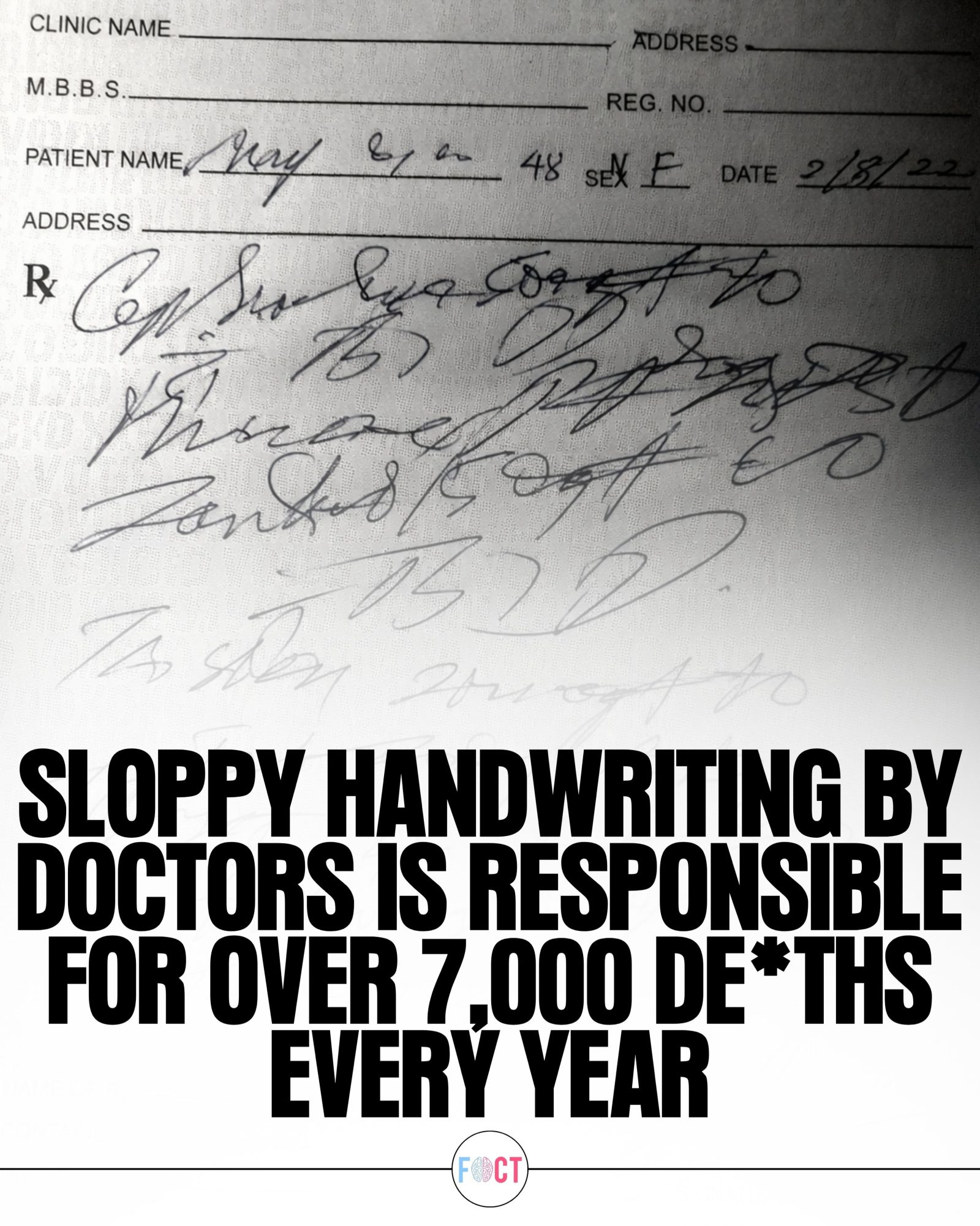
Medical Prescriptions and the Dangers of Illegible Handwriting
Medical prescriptions serve as the lifeline between doctors and patients, dictating treatment plans and ensuring accurate medical care. However, the simple act of writing out a prescription can have far-reaching consequences, especially when the handwriting is sloppy and difficult to read. This is a serious health issue that has been linked to thousands of preventable deaths and injuries each year.
Context / Why This Matters
Handwritten prescriptions are a ubiquitous part of medical practice, but when they are illegible, they can lead to prescription errors, dosage mistakes, and miscommunication between healthcare professionals. Every year, sloppy handwriting by doctors contributes to over 7,000 deaths and countless injuries. This problem is so significant that many hospitals and healthcare systems have had to adopt electronic prescribing and digital medical records to mitigate the risks.
The Impact of Poor Handwriting in Healthcare
Prescription Errors
One of the most immediate and dangerous consequences of illegible prescriptions is the increased risk of medication errors. When a pharmacist cannot read a doctor's handwriting, they may misinterpret the medication or dosage. This can lead to serious complications, including harmful drug interactions, overdoses, or missed doses that could exacerbate a patient's condition.
Dosage Mistakes
Dosage mistakes are another critical issue. A patient might receive too much of a medication, leading to an overdose, or too little, rendering the treatment ineffective. Accurate dosing is paramount in healthcare, and illegible prescriptions can compromise this critical aspect of patient care.
Miscommunication Between Healthcare Professionals
Miscommunication within the healthcare team can also arise from unclear prescriptions. Nurses, pharmacists, and other medical staff rely on clear instructions to provide the best possible care. When prescriptions are difficult to read, it can cause confusion and delay in treatment, potentially leading to adverse outcomes for the patient.
The Transition to Electronic Prescribing
Electronic Prescribing Systems
Recognizing the severity of the issue, many healthcare systems have transitioned to electronic prescribing. These systems allow doctors to input prescriptions directly into a computer system, which can then be sent electronically to pharmacies. This not only reduces the risk of handwriting-related errors but also streamlines the prescription process, making it faster and more efficient.
Digital Medical Records
Electronic health records (EHRs) and digital medical records have also played a significant role in mitigating the risks associated with illegible prescriptions. These records ensure that all medical information is stored digitally, making it accessible to authorized healthcare professionals. This reduces the need for handwritten notes and prescriptions, enhancing patient safety and the coordination of care.
Practical Tips for Avoiding Prescription Errors
For Doctors
- Improve Handwriting: If electronic prescribing is not an option, doctors should strive to write legibly. Clear, neat handwriting can significantly reduce the risk of misinterpretation.
- Use Standard Abbreviations: Stick to commonly recognized medical abbreviations to avoid confusion. Some healthcare systems have standardized lists of acceptable abbreviations.
- Review and Double-Check: Always review prescriptions before signing them off. If possible, have a colleague review them as well.
For Pharmacists
- Clarify Prescriptions: If a prescription is unclear, do not hesitate to contact the prescribing doctor for clarification. It is better to take a few extra minutes to ensure accuracy than to risk a medication error.
- Cross-Reference: Use electronic records to verify the medication and dosage when handwritten prescriptions are unclear.
For Patients
- Ask Questions: If you receive a prescription and are unsure about the medication or dosage, ask your doctor or pharmacist for clarification.
- Double-Check: When picking up your prescription, ensure the medication and dosage match what you expect. If there is any discrepancy, inform the pharmacist immediately.
For Healthcare Systems
- Implement Electronic Solutions: Where feasible, adopt electronic prescribing and digital medical records to minimize handwriting-related errors.
- Training Programs: Provide ongoing training for staff on the importance of clear communication and the proper use of electronic systems.
Important Takeaways
- Clear Communication is Crucial: In healthcare, clear and precise communication can save lives. Sloppy handwriting in prescriptions can lead to serious consequences, including preventable deaths and injuries.
- Embrace Technology: Electronic prescribing and digital medical records have significantly improved patient safety by reducing the risk of handwriting-related errors.
- Everyone Plays a Role: Doctors, pharmacists, and patients all have a part to play in ensuring accurate and safe prescription practices. Clear communication, double-checking, and the use of electronic solutions are key to reducing errors.
Conclusion
The issue of illegible handwriting in medical prescriptions is a pressing one, with far-reaching implications for patient safety. While the stereotype of doctors' messy handwriting is often portrayed as a quirky trait, the reality is that it can have serious, even life-threatening, consequences. By recognizing the risks and adopting electronic solutions and clear communication practices, healthcare systems can significantly reduce the number of preventable errors and ensures that every patient receives the care they need.
Questions readers ask
How does poor handwriting on prescriptions lead to medication errors?
Poor handwriting can cause pharmacists to misinterpret a medication's name, dosage, or frequency, leading to incorrect prescriptions being filled. This can result in patients receiving the wrong medication, the wrong amount, or the wrong instructions, all of which can be harmful to their health.
What are some common consequences of unreadable prescriptions?
Unreadable prescriptions can lead to delayed or incorrect treatment, adverse drug reactions, and in severe cases, death. They can also cause confusion and miscommunication among healthcare staff, leading to further errors in patient care.
How prevalent is the issue of poor handwriting in prescriptions?
The issue is quite prevalent, with sloppy handwriting by doctors contributing to over 7,000 deaths and countless injuries each year. This underscores the significant impact of prescription legibility on patient safety.
What can healthcare providers do to improve prescription readability?
Healthcare providers can use clear, block printing, avoid abbreviations, and consider using electronic prescribing systems to ensure prescriptions are legible and accurate. It is also recommended to include both the generic and brand name of medications when applicable.
What role do pharmacists play in preventing medication errors from bad handwriting?
Pharmacists play a crucial role in catching potential errors caused by bad handwriting. They should contact the prescriber if a prescription is unclear and clarify any ambiguities before dispensing medication. Additionally, they can advocate for the use of electronic prescribing.
What are some tips for patients to ensure they receive the correct medication?
Patients should ask their healthcare providers to print prescriptions or use electronic prescribing when possible. When receiving medication, it's a good idea to double-check the label with the healthcare provider to ensure the information is correct. If a prescription is unclear, don’t hesitate to question your pharmacist.
Why is it important to include both brand and generic names on prescriptions?
Including both brand and generic names helps prevent errors due to confusion between similarly named drugs. Furthermore, it ensures that pharmacists can dispense the most affordable option for the patient, enhancing overall prescription safety and accessibility.
Recent articles
Fresh deep dives from the latest Reels we unpacked.




Comments
Be the first to comment.