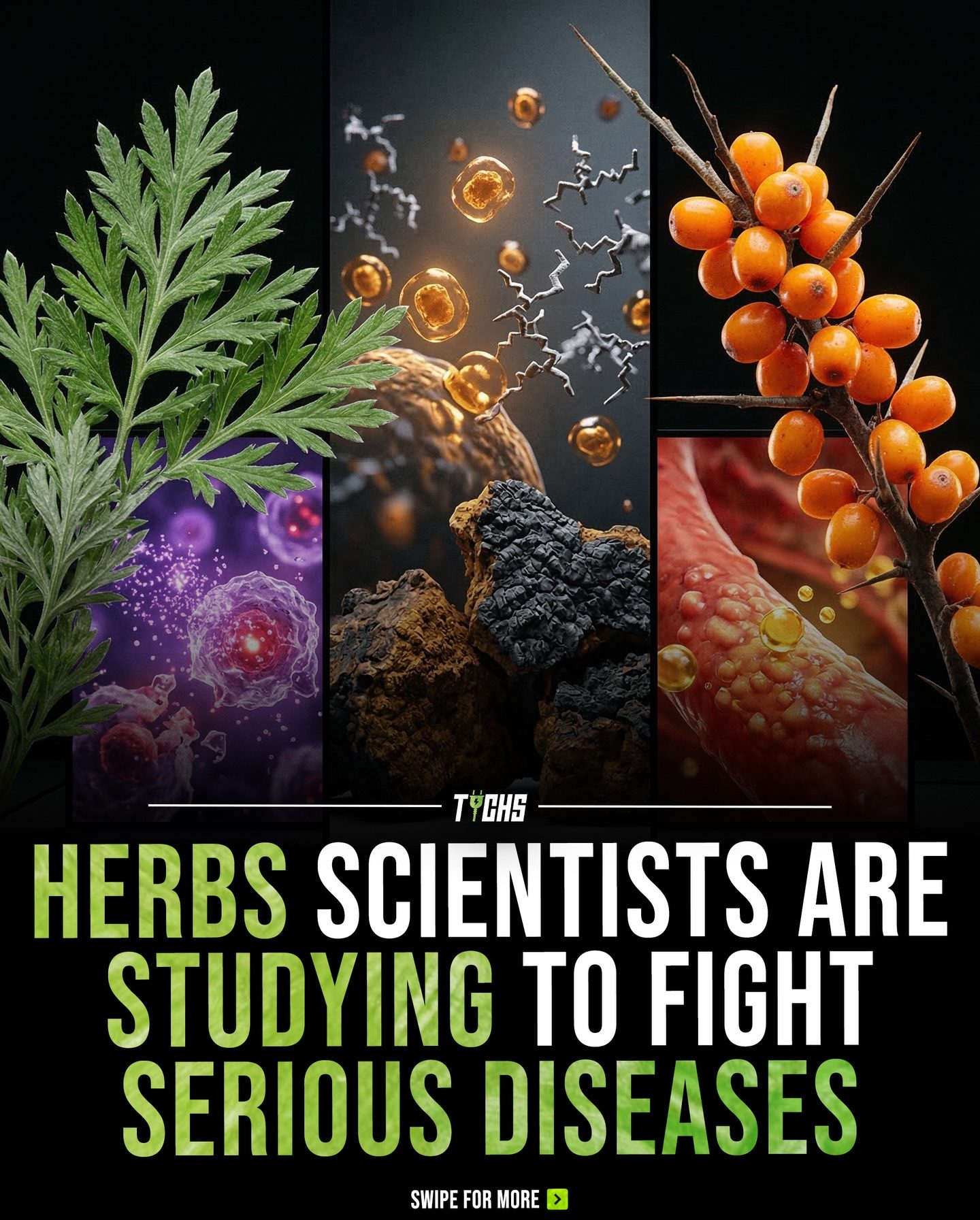
Herbal Remedies and Scientific Research
Herbs have long been used for their medicinal properties, and scientists are now exploring how traditional plants can help fight serious diseases. Laboratory research is ongoing, focusing on compounds in various herbs that may offer new treatments for conditions like cancer, inflammation, and metabolic disorders.
Why This Matters
The discovery of natural compounds that can fight serious diseases has significant implications for modern medicine. While many of these findings are still in the early stages of research, they show promising potential for future therapies and medicines.
Main Discussion
Wormwood (Artemisia Annua)
One of the most well-known herbs under scientific scrutiny is wormwood, specifically the species Artemisia Annua. This plant is renowned for producing artemisinin, a compound that has been used in malaria treatment. Artemisinin is derived from the leaves and flowers of the wormwood plant. Research is also exploring its potential in fighting cancer. Studies have shown that artemisinin can selectively target cancer cells, triggering a process called apoptosis, or programmed cell death. This selective action makes it a promising candidate for cancer treatment, as it may spare healthy cells from destruction.
Cat's Claw
Another herb of interest is Cat's Claw, an Amazon rainforest plant. Researchers are studying its potential to support the immune system and its possible anti-tumor activity. This herb is known for its ability to enhance macrophage activation, a crucial immune response. Early research suggests that Cat's Claw may help the body fight infections and diseases more effectively, making it a valuable subject for further investigation.
Other Promising Herbs
Scientific inquiries extend to various other herbs, each with unique properties:
- Dandelion Root Extract: Known for its potential anti-inflammatory and anti-cancer properties, it is being studied for its effects on metabolic disorders and cancer.
- Graviola Leaves: This plant contains compounds that have shown promise in laboratory studies for their potential to fight cancer cells.
- Black Seed: Rich in antioxidants and anti-inflammatory compounds, black seed is being researched for its potential to support immune function and fight inflammation.
- Chaga Mushroom: High in antioxidants, Chaga is being studied for its potential to support the immune system and fight cancer.
- Sea Buckthorn: This nutrient-dense plant is being researched for its potential to support metabolic health and fight inflammation.
Research Focus
Research into these herbs focuses on several key areas:
- Selective Cancer Cell Apoptosis: Understanding how compounds can target and destroy cancer cells without harming healthy cells.
- Malaria Parasite Destruction: Investigating compounds that can effectively destroy malaria parasites, especially those that are resistant to current treatments.
- Immune Support: Exploring how herbs can enhance the body's natural defenses, making it more resilient against infections and diseases.
Practical Tips
- Stay Informed: Keep up with the latest research on herbal remedies. Many studies are ongoing, and new findings can change our understanding of these plants.
- Consult Professionals: Always consult with a healthcare provider before starting any new supplement or treatment, especially if it involves herbal remedies.
- Balance Natural and Conventional Treatments: Natural remedies can complement conventional treatments, but they should not replace them without medical advice.
- Quality Matters: Ensure that any herbal supplements you take are from reputable sources and are of high quality. Look for standardized extracts and certificates of analysis.
Important Takeaways
- Preliminary Findings: Most findings from these studies are preliminary and require further research before they can be used as confirmed medical treatments.
- Research Potential: Natural compounds from herbs have the potential to inspire new medicines and future therapies.
- Holistic Approach: Herbal remedies can be part of a holistic approach to health, but they should be used in conjunction with conventional treatments and under medical supervision.
Conclusion
The exploration of traditional herbs for their medicinal properties offers a promising avenue for future therapies and medicines. While many of these findings are in the early stages of research, they show great potential in fighting serious diseases. As research continues, we can look forward to a better understanding of how natural compounds can benefit our health.
Questions readers ask
What are some of the main herbs being studied for their disease-fighting properties?
Some of the main herbs currently under scientific investigation for their potential to fight serious diseases include wormwood (Artemisia annua) and Cat's Claw. These plants are being studied for their active compounds, which may offer new treatment options for a range of conditions, from cancer to inflammation.
What is the significance of wormwood in scientific research?
Wormwood, particularly the species Artemisia annua, is significant in scientific research due to its active compound, artemisinin. This compound has shown promise in treating malaria and is now being studied for its potential in fighting other diseases, including cancer. Research is ongoing to fully understand its mechanisms and potential applications.
How are herbs like Cat's Claw being used in laboratory studies?
In laboratory studies, Cat's Claw is being examined for its anti-inflammatory and antioxidant properties. Researchers are isolating specific compounds from the plant to understand how they interact with the body's systems. This knowledge could lead to new treatments for conditions like cancer and metabolic disorders, as well as other inflammatory diseases.
What role do plant extracts play in herbal medicine research?
Plant extracts are crucial in herbal medicine research as they contain the active compounds being studied for their health benefits. Scientists isolate and test these extracts to understand their effects on various diseases. This process helps identify potential new therapies and medicines derived from natural sources, offering alternative and complementary treatments to conventional medicine.
How do herbs contribute to cancer prevention and treatment?
Herbs contribute to cancer prevention and treatment through their active compounds, which have been shown to have anti-cancer properties. These compounds can help inhibit the growth and spread of cancer cells, reduce inflammation, and even induce cell death in cancer cells. While research is still in the early stages, herbs like wormwood and Cat's Claw show potential for developing new cancer treatments.
What are the implications of using herbal compounds in modern medicine?
The use of herbal compounds in modern medicine holds significant promise for developing new treatments for a variety of diseases. As researchers uncover more about the active compounds in these plants, they can create targeted therapies that may be more effective and have fewer side effects than conventional treatments. This could lead to a wider range of options for patients and a more integrated approach to healthcare.
Recent articles
Fresh deep dives from the latest Reels we unpacked.




Comments
Be the first to comment.