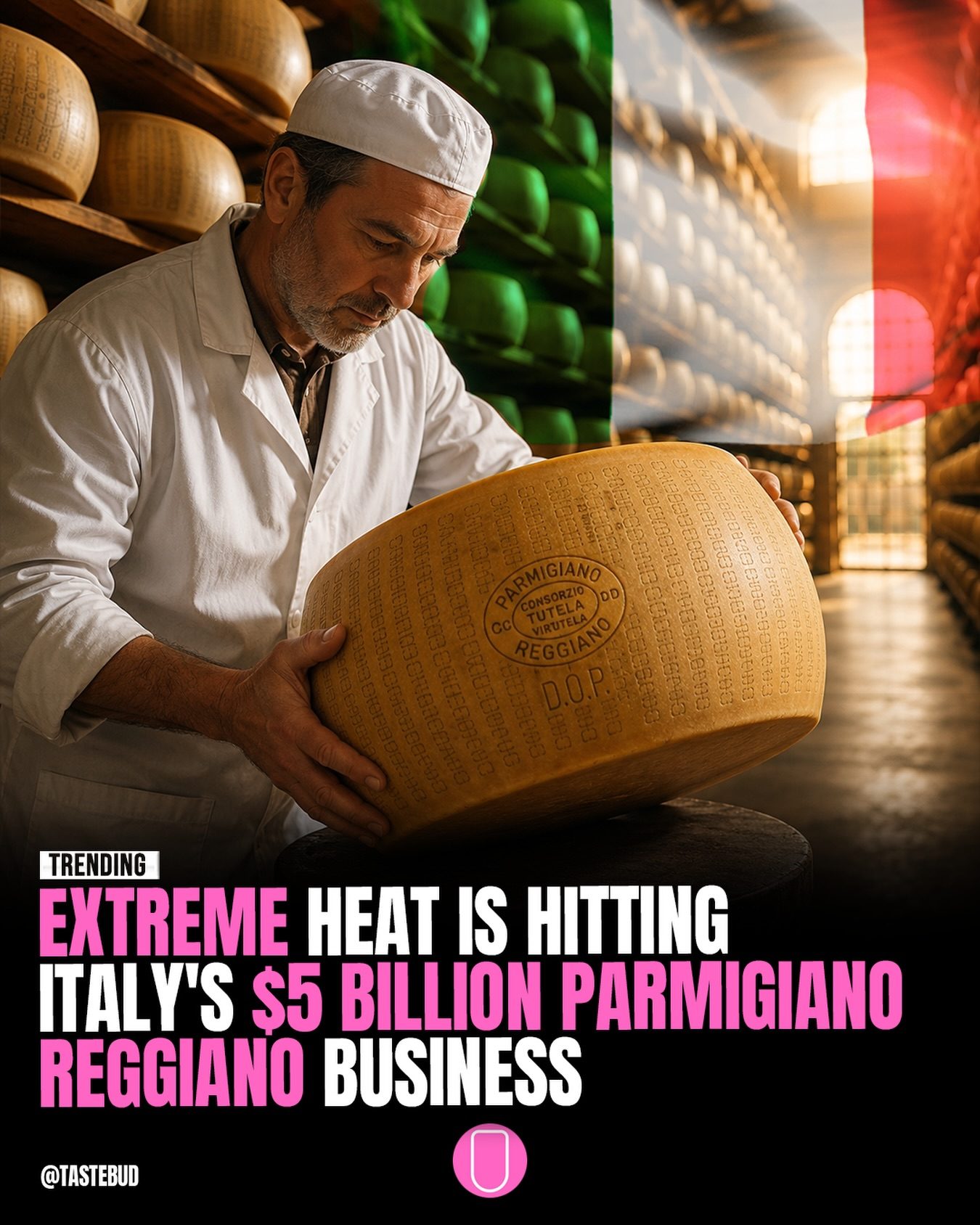
Parmigiano Reggiano Cheese Production Faces Challenges from Extreme Heat
Parmigiano Reggiano, a protected designation of origin (D.O.P.) cheese, is one of Italy's most famous and valuable exports, with an industry worth $5 billion. This cheese is renowned for its rich, nutty flavor and crumbly texture. While Parmigiano Reggiano has a long history and a meticulous production process, recent extreme heat waves are posing significant challenges to its production and quality control.
Why This Matters
Climate change has led to increasing temperatures and heat waves. For Parmigiano Reggiano, this is not just a theoretical issue; the rising temperatures are having a tangible impact on both dairy farms and cheese storage facilities. These effects ripple through the supply chain, affecting everything from milk production to the final product.
Main Discussion
Impact on Milk Production
Extreme heat directly affects dairy cows, leading to reduced milk production. Cows prefer to eat less when temperatures are high, and their milk output decreases. This is a critical issue for Parmigiano Reggiano production, as the cheese requires large quantities of high-quality milk. Farmers are combating this by investing in cooling measures like fans and sprinklers to keep their cattle comfortable and productive.
Energy Consumption in Aging Warehouses
Parmigiano Reggiano requires precise temperature and humidity conditions to age properly. This means storage warehouses need to maintain controlled environments, a process that is energy-intensive. Extreme heat puts additional strain on these facilities, leading to increased energy consumption. One storage facility reported a 30% increase in electricity usage during recent heat waves. Such spikes in energy demand can be costly and unsustainable, especially given the aging infrastructure of many facilities.
Traditional Methods and Quality Control
Parmigiano Reggiano production relies heavily on traditional methods, including careful inspection and quality control. The video highlights a cheesemaker meticulously examining a large wheel of the cheese, surrounded by other wheels. This process is crucial because the cheese's quality is determined by adherence to strict standards. However, the stress from extreme temperatures can complicate these traditional methods, potentially affecting the final product's uniformity and quality.
Practical Tips
For Dairy Farmers
Farmers can take several steps to mitigate the impact of extreme heat on their dairy operations. Investing in cooling systems, providing shade, and ensuring access to water are all effective ways to maintain cow comfort and milk production. Additionally, adapting feeding practices to accommodate the reduced intake during hotter months can help maintain productivity.
For Cheese Producers
Cheese producers need to enhance their energy management strategies to cope with the increased demand during heat waves. This could involve upgrading aging infrastructure with more energy-efficient systems or exploring renewable energy sources to support their energy needs. In addition, optimizing storage conditions to balance quality and energy consumption is essential.
Important Takeaways
The impact of extreme heat on Parmigiano Reggiano production underscores the urgent need for sustainable and adaptive strategies in the food industry. From dairy farmers to cheese producers, everyone involved in the production process must adapt to the changing climate. Investing in technology, optimizing practices, and maintaining traditional quality control methods are all crucial steps in ensuring the future of this iconic Italian cheese.
Conclusion
Parmigiano Reggiano is a testament to the rich culinary heritage of Italy, and its production process is a delicate balance of tradition and precision. Extreme heat poses significant challenges to this industry, affecting everything from milk production to energy consumption. By adopting sustainable and adaptive strategies, the industry can navigate these challenges and continue to produce one of the world's finest cheeses.
Recent articles
Fresh deep dives from the latest Reels we unpacked.




Comments
Be the first to comment.