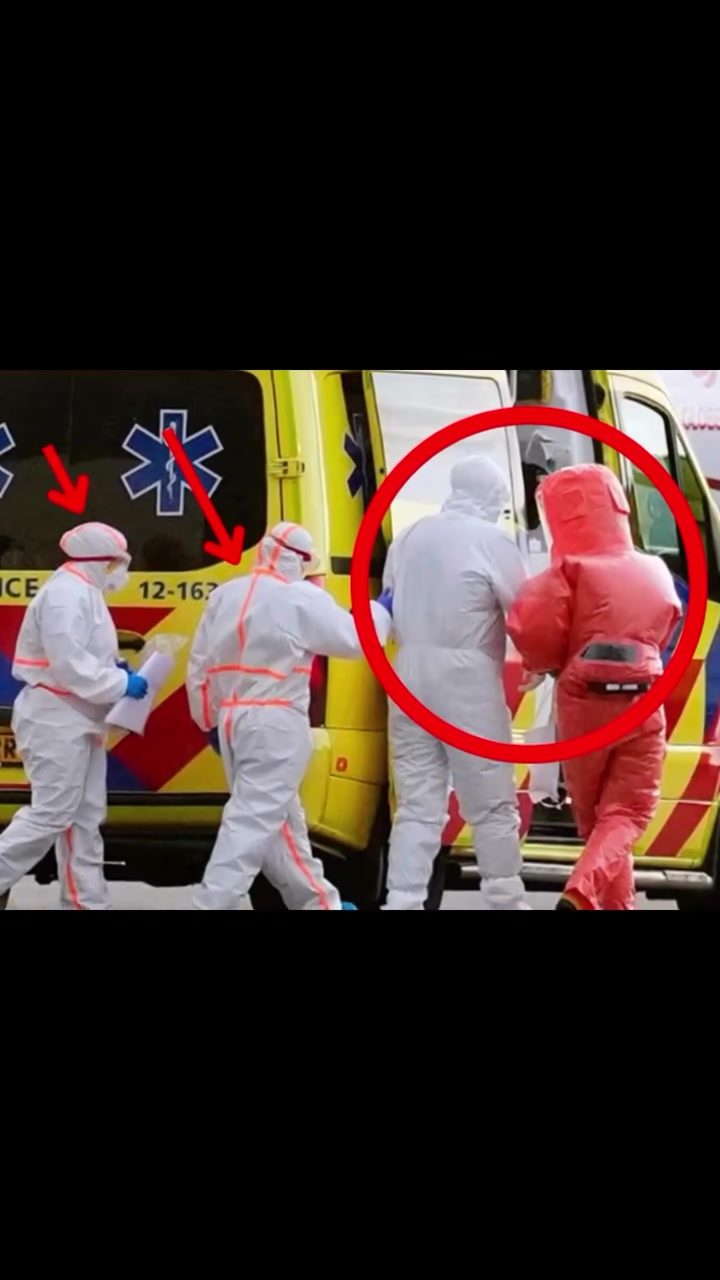
Hazmat Suits and Emergency Response
Hazmat suits are critical pieces of safety equipment used in emergency response scenarios to protect personnel from hazardous materials, including deadly viruses such as hantavirus. These suits are designed to provide a barrier against infectious agents, chemical spills, and other dangerous substances, ensuring that responders can safely handle and transport affected individuals.
Why This Matters
In emergency response situations, the safety of first responders is paramount. Hazmat suits play a crucial role in mitigating the risks associated with handling hazardous materials. Whether responding to a viral outbreak, a chemical spill, or any other hazardous situation, these suits are essential for protecting emergency personnel and preventing the spread of dangerous substances.
Main Discussion
Understanding Hazmat Suits
Hazmat suits are specialized protective clothing designed to safeguard the wearer from hazardous materials. They are typically made from materials that are resistant to chemicals, biological agents, and other harmful substances. These suits cover the entire body, including the head, hands, and feet, to provide comprehensive protection.
Key Components of Hazmat Suits
-
Materials: Hazmat suits are usually made from materials like polyurethane-coated nylon or butyl rubber. These materials are chosen for their resistance to various hazardous substances and their ability to provide a barrier against contamination.
-
Seals and Closures: Proper sealing is crucial to prevent any hazardous material from entering the suit. Hazmat suits often feature tight-fitting seals around the wrists, ankles, and neck, as well as secure closures that ensure the suit remains intact during use.
-
Ventilation: Some hazmat suits are equipped with ventilation systems to prevent the buildup of heat and moisture inside the suit. This is particularly important in scenarios where responders may need to work for extended periods.
-
Visibility and Identification: Hazmat suits often feature reflective strips or high-visibility colors to ensure that responders are easily visible in emergency situations. This is especially important in low-light conditions or when working in areas with heavy traffic.
Hazmat Suits in Action
Hazmat suits are essential in a variety of emergency response scenarios. For example, in the case of a viral outbreak like hantavirus, responders must handle infected individuals and contaminated areas with extreme caution. The suits provide a critical barrier that prevents the spread of the virus and protects the responders from infection.
Training and Simulations
Training and simulations are essential for emergency responders to effectively use hazmat suits. These exercises help responders practice donning and doffing the suits, as well as performing necessary procedures while wearing them. Simulations also allow responders to become familiar with the limitations and capabilities of the suits, ensuring they are prepared for real-world scenarios.
The Role of Ambulances and Airplanes
In emergency response, hazmat suits are often used in conjunction with ambulances and airplanes. Ambulances transport infected individuals to medical facilities, while airplanes are used for longer-distance transport, particularly in cases where the infected person needs to be moved to a specialized hospital or quarantine facility.
Ambulances and airplanes are essential for the safe transport of infected individuals, and hazmat suits ensure that the transport process does not put additional responders or the general public at risk. In situations where a stretcher is used, hazmat suits facilitate the safe handling and movement of the infected person, minimizing the risk of contamination.
Practical Tips
Proper Use of Hazmat Suits
-
Correct Donning and Doffing: Follow the manufacturer's instructions for putting on and taking off the hazmat suit. This includes ensuring all seals are properly closed and that there are no gaps or tears in the suit.
-
Inspection: Before each use, inspect the hazmat suit for any signs of wear or damage. Replace any damaged suits immediately.
-
Training: Regularly participate in training exercises to stay familiar with the use of hazmat suits. This includes practicing procedures while wearing the suit to ensure you are comfortable and proficient.
-
Maintenance: Properly store and maintain hazmat suits to ensure they remain effective. Follow the manufacturer's guidelines for cleaning and storing the suits.
Emergency Response Protocols
-
Communication: Maintain clear communication with other responders and medical personnel. This includes using radios or other communication devices to coordinate efforts and ensure everyone is aware of the situation.
-
Safety Protocols: Follow established safety protocols for handling hazardous materials. This includes using appropriate personal protective equipment (PPE) and following decontamination procedures.
-
Quarantine Measures: Implement quarantine measures as needed to prevent the spread of infectious agents. This may include isolating infected individuals and decontaminating affected areas.
Important Takeaways
Emergency response scenarios involving hazmat suits require a high level of preparedness and skill. Proper use of these suits, along with adherence to safety protocols, is crucial for ensuring the safety of responders and preventing the spread of hazardous materials.
Conclusion
Hazmat suits are indispensable in emergency response, particularly when dealing with deadly viruses like hantavirus. They provide a critical barrier that protects responders from hazardous materials and ensures the safe transport of infected individuals. Through proper training, maintenance, and adherence to safety protocols, emergency responders can effectively use hazmat suits to mitigate risks and handle hazardous situations with confidence.
Questions readers ask
What are the primary functions of hazmat suits in emergency response?
Hazmat suits serve as a protective barrier against a wide range of hazardous materials, including viruses like hantavirus, chemicals, and other dangerous substances. They are designed to shield responders, allowing them to safely handle and transport affected individuals or materials. This protection is vital for both the responders' safety and for controlling the spread of contamination.
What types of hazardous situations require the use of hazmat suits?
Hazmat suits are essential in various emergency scenarios, such as viral outbreaks, chemical spills, and other hazardous material incidents. They are commonly used in situations involving unknown substances, as well as in incidents where the presence of hazardous materials is confirmed. Responders may encounter these situations in both indoor and outdoor environments.
How do hazmat suits protect against viruses like hantavirus?
Hazmat suits designed for viral protection, such as those used in medical or biocontainment settings, provide a full-body barrier that prevents viral particles from coming into contact with the responder's skin or clothing. They also help to minimize the risk of airborne transmission by maintaining a sealed environment around the wearer. This protection is crucial for preventing the spread of viruses to responders and the broader community.
What are the key protocols for wearing and decontaminating hazmat suits?
Proper donning and doffing procedures are critical when using hazmat suits. Responders should be trained to follow specific protocols, such as the buddy system, to ensure the suits are worn correctly and safely. After use, hazmat suits must be decontaminated using approved methods to prevent cross-contamination, typically involving a series of cleaning steps to remove any hazardous materials from the suit's surface.
Why is training important for first responders who use hazmat suits?
Training is essential for first responders who use hazmat suits, as it ensures they are knowledgeable about proper suit selection, usage, and decontamination procedures. Regular training sessions help responders stay up-to-date on the latest protocols and maintain their skills in a safe and controlled environment. This preparation is vital for responding effectively and safely in real-life emergency situations.
Recent articles
Fresh deep dives from the latest Reels we unpacked.




Comments
Be the first to comment.