Alpine Hay Harvesting: The Challenges and Innovations of Harvesting Hay on Steep Mountains
Alpine hay harvesting presents a unique set of challenges that require innovative solutions. The process involves growing and collecting hay on steep, often inaccessible slopes, where traditional farming machinery cannot operate. This makes the hay more expensive, but also more valuable for certain agricultural products.
Why Alpine Hay is So Expensive
High-quality hay grows on slopes as steep as 50 degrees, where ordinary farming machines simply can't operate. The steep terrain makes it difficult to access and harvest the hay, leading to increased costs. This increased cost is not just a result of the challenging terrain, but also due to the specialized machinery and methods required to harvest the hay.
The Role of Helicopter Transport
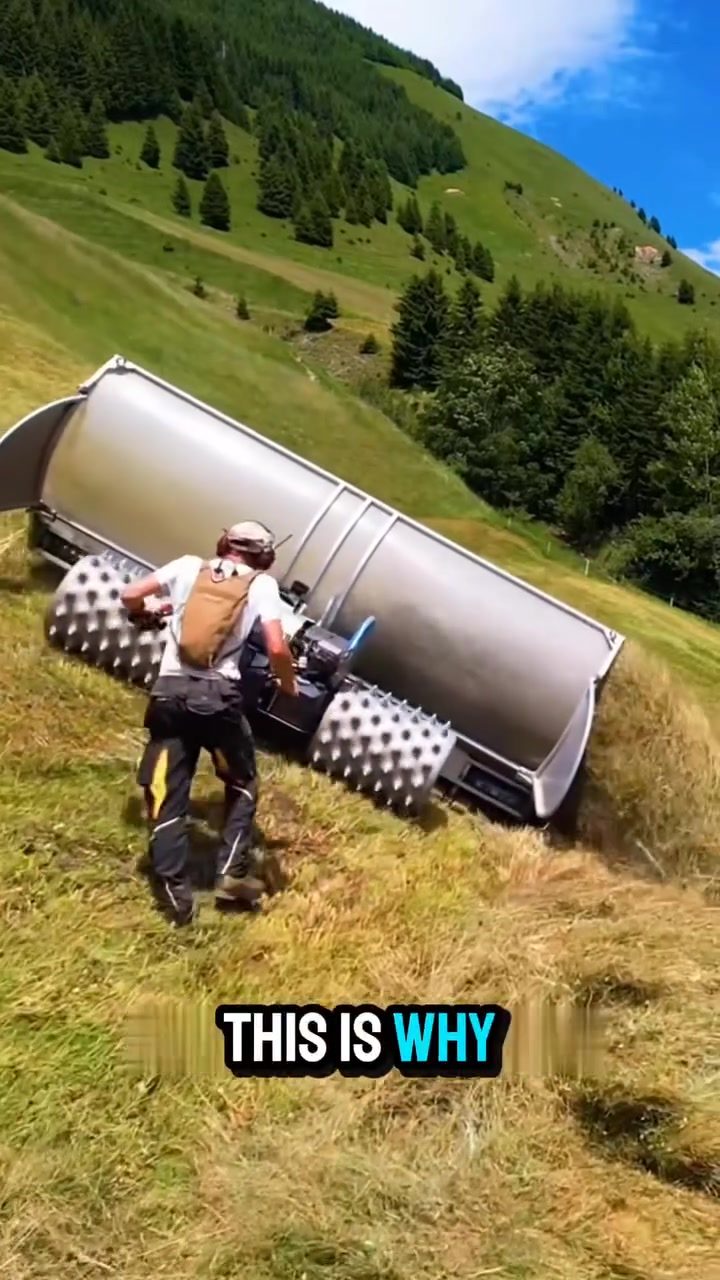
First, a helicopter carries a specialized slope machine to the mountaintop. The machine has unusual tires covered with spikes that dig into the soil, keeping it from sliding down the steep terrain.
The Versatility of the Hay Rolling Machine
With different attachments, the machine can mow, turn, dry, and collect the hay, all in one machine. This multi-functional capability is essential for the efficient harvesting of hay in such challenging environments. The machine's ability to perform multiple tasks reduces the need for additional equipment and labor, making the process more cost-effective.
Transporting Hay Back to the Valley
The hay rolling machine is then transported back to the valley. While this process may seem incredibly expensive, it is actually far more efficient and cost-effective compared to manual labor in the Alps. The use of helicopters and specialized machines reduces the need for manual labor, which can be time-consuming and costly.
Context / Why Alpine Hay is Valuable
The Economic Benefits
The reason farmers are willing to pay the high costs associated with alpine hay harvesting is due to the quality of the hay produced. This natural alpine hay can produce premium milk worth much more, making it a valuable commodity for dairy farmers. The high-quality hay not only produces better milk but also has other nutritional benefits for cows.
The Environmental Factors
The steep slopes and unique climate of the Alps create ideal conditions for growing high-quality hay. The altitude, sunlight exposure, and soil composition all contribute to the production of premium hay. The alpine environment also ensures that the hay is free from many of the contaminants and pollutants found in lower-lying areas, making it a pure and natural product.
The Market Demand
There is a growing demand for premium dairy products, and farmers are willing to pay more for high-quality hay to meet this demand. The alpine hay not only produces better milk but also has a unique flavor and nutritional profile that is sought after by consumers. This demand drives the need for innovative and efficient harvesting methods, such as those used in the Alps.
Main Discussion
Let's delve deeper into the specific methods and equipment used in alpine hay harvesting.
The Use of Helicopters
Helicopter transport is a critical component of alpine hay harvesting. It allows the specialized machinery to be quickly and efficiently moved to and from the mountaintops. This method not only saves time but also reduces the risk of accidents and injuries associated with manual labor. However, the use of helicopters can be expensive, and farmers must weigh the costs against the benefits of using this method.
Specialized Machinery
The specialized slope machine used in alpine hay harvesting is designed to operate on steep terrain. Its spiked tires and various attachments enable it to perform multiple tasks, making it an essential tool for farmers. The machine's versatility allows it to mow, turn, dry, and collect the hay, all in one operation. This reduces the need for additional equipment and labor, making the process more cost-effective.
The Challenges of Harvesting in Steep Terrain
Harvesting hay on steep slopes presents unique challenges that require specialized solutions. The steep terrain makes it difficult to access and harvest the hay, and traditional farming machinery cannot operate in these conditions. The use of helicopters and specialized machinery is essential for overcoming these challenges and making the process more efficient and cost-effective.
The Importance of Precision
Precision is crucial in alpine hay harvesting. The steep slopes and challenging terrain require precise movements and careful handling of the machinery. Farmers must be skilled and experienced in operating the specialized equipment to ensure the hay is harvested efficiently and safely. This level of precision is essential for producing high-quality hay and maintaining the integrity of the product.
Minimizing Environmental Impact
Minimizing environmental impact is also a critical consideration in alpine hay harvesting. The use of helicopters and specialized machinery must be balanced with the need to protect the delicate alpine ecosystem. Farmers must take care to avoid damaging the soil, vegetation, and wildlife in the area. This requires careful planning and execution of the harvesting process, as well as the use of sustainable practices.
Practical Tips
If you're considering alpine hay harvesting, here are some practical tips to help you get started.
Invest in the Right Equipment
Investing in the right equipment is essential for successful alpine hay harvesting. This includes a specialized slope machine with spiked tires and various attachments, as well as a helicopter for transporting the machinery. While the costs can be high, the long-term benefits of using this equipment can outweigh the initial investment.
Training and Expertise
Training and expertise are crucial for operating the specialized machinery in alpine hay harvesting. Farmers must be skilled and experienced in using the equipment to ensure the hay is harvested efficiently and safely. Investing in training and expertise can help farmers maximize the benefits of alpine hay harvesting and minimize the risks.
Plan Ahead
Careful planning is essential for successful alpine hay harvesting. This includes assessing the terrain, planning the harvesting route, and ensuring that the necessary equipment and labor are available. Farmers must also consider the weather conditions and environmental factors that can impact the harvesting process.
Maintain Safety
Safety is a top priority in alpine hay harvesting. The steep slopes and challenging terrain can pose significant risks to farmers and their equipment. It's essential to follow safety protocols, use appropriate safety equipment, and maintain the machinery regularly to ensure a safe and efficient harvesting process.
Monitor the Market
Monitoring the market for dairy products and premium hay is essential for farmers considering alpine hay harvesting. Understanding the demand and market trends can help farmers make informed decisions about investing in this process and targeting the right markets for their products.
Important Takeaways
Alpine hay harvesting is a challenging and complex process that requires specialized equipment, skilled labor, and careful planning. However, the high-quality hay produced in the Alps can be highly valuable, making it a worthwhile investment for farmers.
The use of helicopters and specialized machinery is essential for overcoming the challenges of the steep terrain and making the process more efficient and cost-effective. Precision, safety, and environmental considerations are also crucial factors in alpine hay harvesting.
Investing in the right equipment, training, and expertise can help farmers maximize the benefits of alpine hay harvesting and produce high-quality hay that meets the growing demand for premium dairy products. By carefully planning and monitoring the market, farmers can make informed decisions about investing in this process and targeting the right markets for their products.
Conclusion
Alpine hay harvesting is a testament to human ingenuity and the desire to overcome challenges. The steep slopes and unique climate of the Alps create ideal conditions for growing high-quality hay, but the process of harvesting this hay is far from easy. The use of helicopters, specialized machinery, and careful planning are all essential components of successful alpine hay harvesting. By investing in the right equipment, training, and expertise, farmers can produce high-quality hay that meets the growing demand for premium dairy products. This process not only benefits farmers but also supports the production of healthy and nutritious food products for consumers.
Questions readers ask
What makes hay harvesting in alpine regions more challenging than in other areas?
Alpine hay harvesting requires navigating steep, often inaccessible slopes that can reach angles of up to 50 degrees. This terrain is impassable for standard farming machinery, necessitating specialized equipment and techniques to make the process feasible.
How does helicopter transport assist in alpine hay harvesting?
Helicopter transport is a crucial innovation for alpine hay harvesting. It allows for the efficient movement of hay from steep, hard-to-reach slopes to more accessible collection points, bypassing the limitations of traditional farming vehicles.
What are multi-functional hay rolling machines, and how do they aid in alpine farming?
Multi-functional hay rolling machines are specialized tools designed to handle the unique demands of alpine hay harvesting. These machines can compact and roll hay into manageable bales, even on steep terrain, making the collection and transport process more efficient.
Why is hay harvested from steep slopes considered more valuable?
Hay harvested from steep slopes is often of higher quality due to the unique growing conditions in alpine environments. The challenging terrain and specialized harvesting methods also contribute to the increased cost, making this hay more valuable for certain agricultural products.
What kinds of specialized machinery are used in alpine hay harvesting?
Alpine hay harvesting employs a variety of specialized machinery, including multi-functional hay rolling machines, helicopters for transport, and other innovative tools designed to operate effectively on steep, difficult terrain. These tools are essential for overcoming the challenges posed by the landscape.
How do farmers ensure safety when harvesting hay on steep slopes?
Safety measures in alpine hay harvesting include the use of specialized machinery that can operate on steep terrain, as well as employing trained professionals who are experienced in these unique conditions. Additionally, protocols for helicopter operations and other innovative techniques are strictly followed to minimize risks.
What are some innovative techniques used in alpine hay harvesting besides machinery?
In addition to specialized machinery, innovative techniques in alpine hay harvesting include employing trained personnel, using strategic field layout optimization to minimize the distance hay needs to be transported, and implementing helicopter transport for efficient collection and movement of hay.
Recent articles
Fresh deep dives from the latest Reels we unpacked.




Comments
Be the first to comment.