Thatching Roofs with Reeds
Thatching roofs with reeds is a traditional roofing method that has been used for centuries, particularly in the UK. This technique involves harvesting reeds, which are then used to create durable, waterproof roofs. The process is both an art and a science, combining manual labor with specialized equipment to achieve the best results. Let's delve into the intricacies of thatching roofs with reeds, from harvesting to the finished product.
Context / Why this matters
Thatching roofs with reeds is more than just a traditional practice; it's a sustainable and efficient roofing solution. Reeds are a renewable resource, and the process of thatching can be both environmentally friendly and cost-effective. Understanding the benefits and the process of thatching can provide valuable insights for homeowners and construction professionals looking for durable, natural roofing materials.
Main discussion
Harvesting Reeds
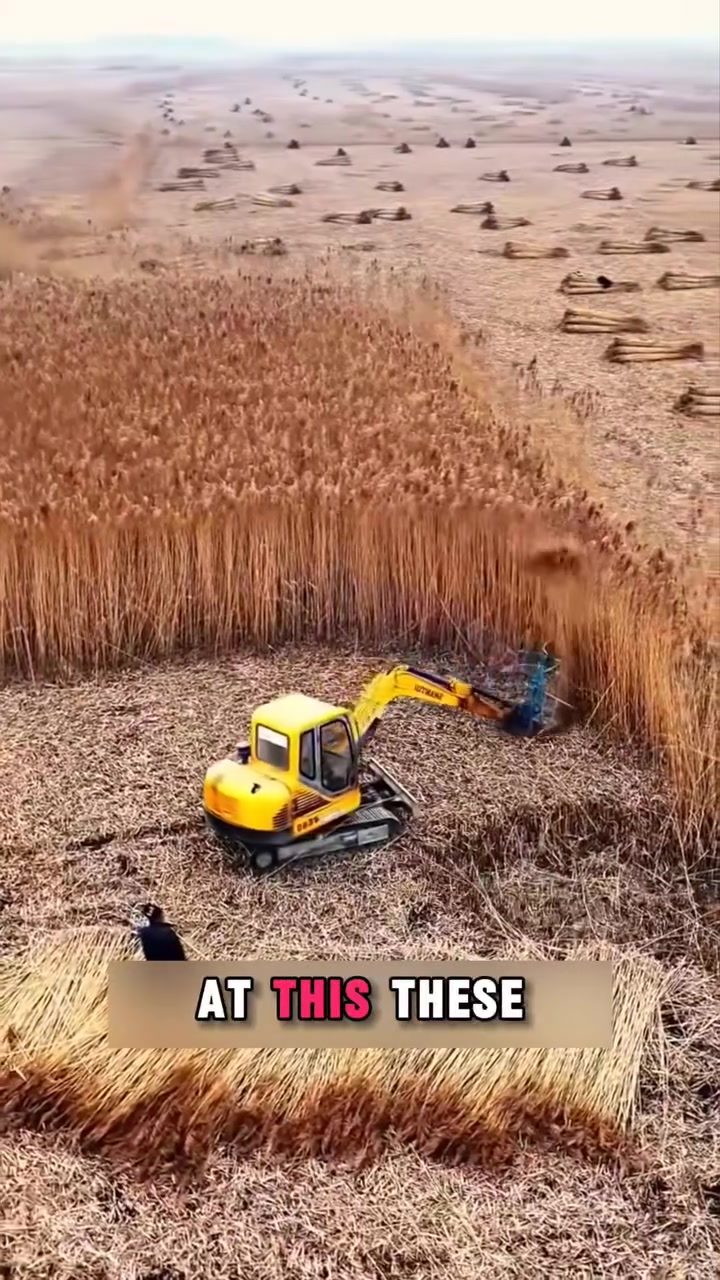
Harvesting reeds is the first step in the thatching process. In the UK, reeds are grown and harvested on a large scale using excavators and specialized machines. These machines can quickly harvest vast reed fields, ensuring a steady supply of material. This efficient harvesting method allows for the collection of large quantities of reeds, which are then bundled and transported for use in traditional thatched roofing.
Preparing the Reeds
Once collected, the reeds are bundled and transported to the construction site. Workers carefully lay the reeds layer by layer to create thick, durable roofs. This meticulous process ensures that the roof is not only structurally sound but also aesthetically pleasing. The reeds are secured tightly and trimmed to create a neat, attractive finish.
Benefits of Reed Roofs
Reed roofs offer several advantages over traditional roofing materials. They are naturally waterproof, providing excellent protection against the elements. Additionally, reed roofs provide excellent insulation, keeping homes warm in winter and cool in summer. This natural insulation property makes them energy-efficient, reducing heating and cooling costs.
Moreover, reed roofs are lightweight, making them safer than heavier roofing materials in some situations. Their lightweight nature also reduces the load on the building's structure, which can be particularly beneficial for older buildings.
Reed roofs can last for many years with proper maintenance, making them a cost-effective and durable roofing solution. They are also aesthetically pleasing, adding a rustic charm to any building.
The Thatching Process
The thatching process involves several steps, from harvesting and preparing the reeds to laying them on the roof. Workers use specialized tools and techniques to ensure that the reeds are laid correctly and securely. The process requires skill and precision, as each layer of reeds must be carefully placed to create a watertight barrier.
Workers also pay close attention to the aesthetic details, trimming the reeds to create a neat and attractive finish. This attention to detail ensures that the roof not only functions well but also looks beautiful, enhancing the overall appearance of the building.
Working in Winter
One of the key points highlighted is that thatching can be done even in winter. This is a critical advantage, as it allows for year-round construction and maintenance. The ability to work in cold weather ensures that projects can be completed on time, regardless of the seasonal changes.
Practical tips
Choosing the Right Reeds
Selecting the right type of reeds is crucial for a successful thatching project. Different species of reeds have varying properties, and choosing the right one can impact the durability and appearance of the roof. Consulting with experienced thatchers can help in selecting the best reeds for your specific needs.
Proper Maintenance
Regular maintenance is essential for extending the lifespan of a reed roof. This includes inspecting the roof for any signs of wear and tear, repairing any damage, and ensuring that the reeds remain securely in place. Proper maintenance can help prevent leaks and other issues, ensuring that the roof remains in good condition for many years.
Hiring Professionals
Thatching requires specialized skills and knowledge. Hiring experienced thatchers can ensure that the job is done correctly and efficiently. Professionals have the expertise and tools necessary to create a high-quality thatched roof that will last for many years.
Important takeaways
Thatching roofs with reeds is a traditional and sustainable roofing method that offers numerous benefits. From natural waterproofing to excellent insulation, reed roofs are a durable and cost-effective solution. The process involves harvesting reeds, preparing them, and carefully laying them on the roof. Proper maintenance and hiring experienced professionals are essential for ensuring the longevity and aesthetic appeal of a thatched roof. Additionally, the ability to work in winter adds to the flexibility and efficiency of thatching as a roofing method.
Conclusion
Thatching roofs with reeds is a timeless practice that combines tradition with practicality. The process, from harvesting to the finished product, involves meticulous attention to detail and specialized techniques. The benefits of reed roofs, including their durability, waterproofing, and insulation properties, make them an excellent choice for any construction or renovation project. By understanding the intricacies of thatching and following practical tips, homeowners and construction professionals can achieve a beautiful and functional thatched roof.
Questions readers ask
What makes reed roofs a durable choice for UK homes?
Reed roofs are renowned for their longevity, often lasting 40-60 years with proper maintenance. The durability comes from the natural properties of reeds, which are resistant to decay and weathering, making them an excellent choice for the UK's variable climate.
How are reeds harvested in the UK to ensure sustainability?
Reed harvesting in the UK is conducted with sustainability in mind. Reeds are typically harvested from managed wetlands or reed beds, with strict regulations to prevent over-harvesting. This ensures that the reed populations remain healthy and the ecosystem is preserved.
What are the insulation benefits of reed roofs in the UK?
Reed roofs provide exceptional insulation properties. They have a natural ability to trap air, which helps to keep homes warm in the winter and cool in the summer. This can lead to significant energy savings and enhanced comfort for homeowners.
How is thatch constructed in the UK to ensure a waterproof finish?
The process of constructing a thatched roof in the UK involves layers of reed thatching. The thatching is often done in stages, with a spiral or square pattern, and the roof is finished with a ridge and a layer called a ridge cap. The construction method and the density of the thatching ensure a watertight and weatherproof finish.
What equipment is used in the UK thatching process to achieve the best results?
The UK thatching process combines traditional hand-crafting with modern equipment. Tools such as hay forks, thatching needles, and knives are used for precise reed placement. Additionally, powered tools may be used for tasks like securing the thatch to the roof frame, ensuring efficiency and durability.
What are the key steps in the UK thatching process from harvesting to the finished roof?
The UK thatching process begins with harvesting reeds, which are then dried and sorted. The sorted reeds are then bundled and transported to the construction site. The thatching process involves layering the reeds in a specific pattern, securing them with lassos or wire, and completing the roof with a ridge. The final step involves a thorough inspection to ensure the roof is watertight and secure.
Recent articles
Fresh deep dives from the latest Reels we unpacked.




Comments
Be the first to comment.