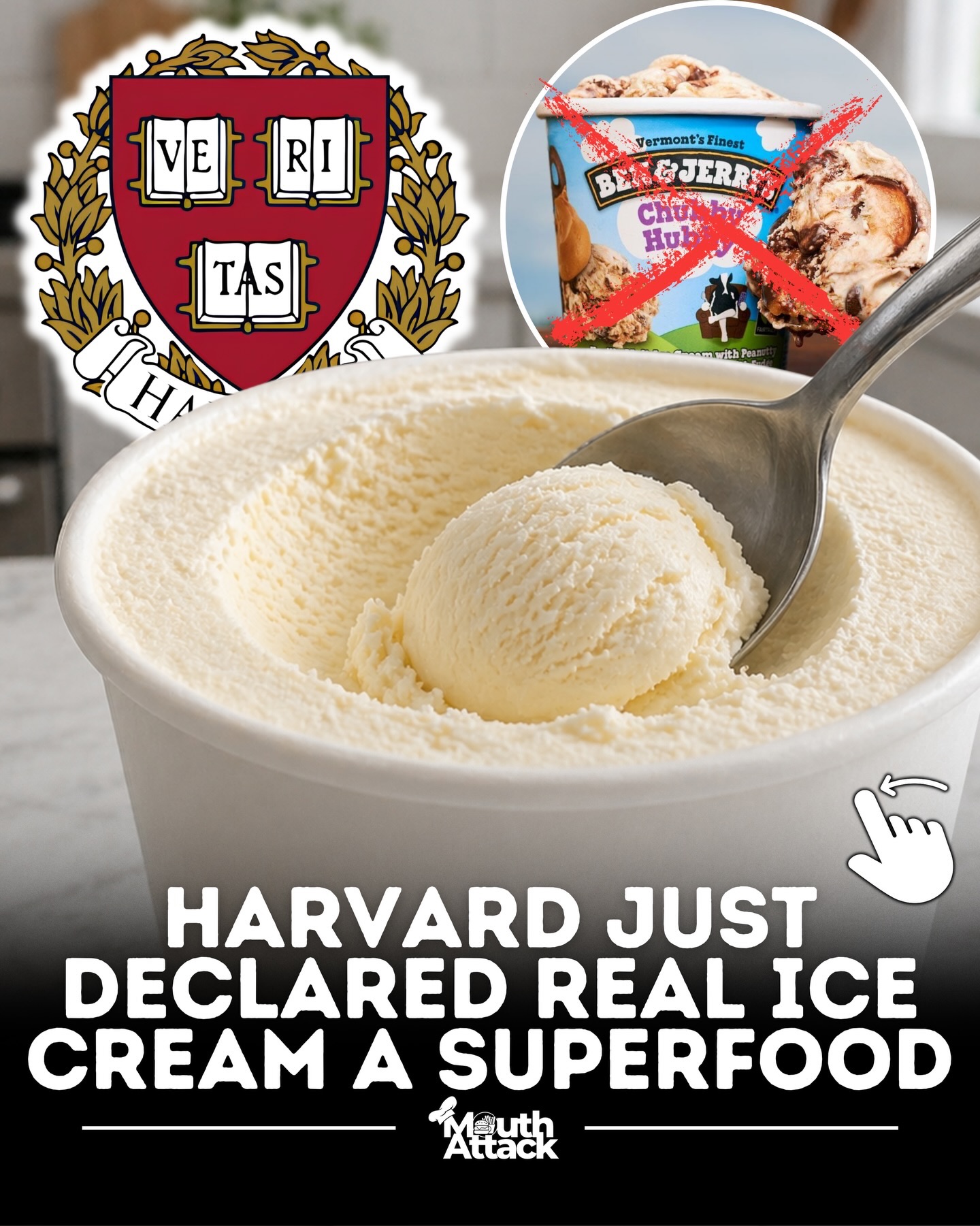
Ice Cream Superfood Debate
Ice cream, a beloved frozen treat, has recently found itself at the center of a humorous and thought-provoking debate. The claim that Harvard has declared real ice cream a "superfood" has sparked interest and curiosity among ice cream enthusiasts. But what exactly does this mean, and what should consumers know about the ice cream they buy?
Why This Matters
The idea that ice cream could be classified as a superfood is intriguing. Superfoods are typically associated with fruits, vegetables, and other nutrient-dense foods that offer significant health benefits. Ice cream, on the other hand, is often seen as a indulgent treat rather than a health food. The debate raises questions about the quality and nutritional value of ice cream and how consumers can make informed choices.
The Claim: Harvard and Ice Cream
The claim that Harvard has declared real ice cream a superfood is a playful take on the ongoing conversation about food labeling and health. While it's unclear whether Harvard has officially made this declaration, the idea taps into a broader discussion about what constitutes a superfood and how these labels are applied.
Ice cream, particularly high-quality varieties, can contain ingredients that offer nutritional benefits. For instance, some premium ice creams are rich in cream and milk, providing protein and calcium. Others may include natural fruits, nuts, and other wholesome ingredients that add nutritional value.
Real Ice Cream vs. Artificial Ice Cream
The debate also highlights a critical distinction: not all ice cream is created equal. The term "real ice cream" typically refers to products made with high-quality, natural ingredients. These are often labeled as "premium" or "artisanal" and can be found alongside more indulgent and artificial options on store shelves.
One key point addressed in this debate is that much of the ice cream sold in stores does not meet the criteria for "real" ice cream. This is due to several factors:
Ingredients
Real ice cream is made with a higher percentage of natural ingredients, such as cream, milk, and sugar. These ingredients contribute to the rich, creamy texture and flavor that many ice cream lovers crave.
Artificial ice cream, on the other hand, often relies on stabilizers, emulsifiers, and other additives to achieve a similar texture and consistency. These ingredients can sometimes diminish the overall quality and taste of the product.
Processing
Real ice cream is typically churned at a slower rate and may be less processed than its artificial counterparts. This helps to preserve the natural flavors and textures of the ingredients, resulting in a more satisfying and delicious product. Artificial ice cream, in contrast, may be produced through more industrial methods, which can affect its quality and nutritional value.
Nutritional Value
The distinction between real and artificial ice cream also extends to nutritional content. Real ice cream may contain higher levels of protein, fat, and other nutrients, while artificial ice cream often has a higher sugar and lower-calorie content.
Regulatory Definitions
Understanding these distinctions can be challenging, as the regulatory definitions for ice cream can vary widely. In the United States, for example, the Food and Drug Administration (FDA) has specific guidelines for what can be labeled as "ice cream." These guidelines include minimum percentages of milkfat and total solids, among other factors. However, many products on the market do not meet these standards and may still be labeled as ice cream.
For consumers, navigating the world of ice cream can be confusing. With so many products and claims to choose from, it's essential to understand what separates real ice cream from the rest.
Common Flavors and Brands
While Ben & Jerry's is a well-known brand that often emphasizes the use of natural, high-quality ingredients, it's essential to note that this is not universally applicable to all ice cream brands. Many brands offer a variety of flavors and styles, from classic vanilla and chocolate to more exotic and adventurous combinations.
Some common flavors associated with premium ice cream include:
| Flavor | Description |
|---|---|
| Vermont's Finest | Often features rich, creamy textures using locally sourced ingredients. |
| Ben & Jerry's | Known for its unique and indulgent flavors, often incorporating natural ingredients and fun add-ins. |
| Chub Hub | Known for their indulgent and satisfying ice cream flavors. |
Practical Tips for Choosing Ice Cream
When shopping for ice cream, keep the following tips in mind to ensure you're getting a high-quality product:
Read the Label
Pay close attention to the ingredient list. Look for products that prioritize natural ingredients, such as cream, milk, and real fruit. Avoid products with long lists of artificial additives and stabilizers.
Opt for Premium Brands
Brands that specialize in premium ice cream are more likely to use high-quality ingredients. These products often prioritize taste and texture over cost-cutting measures.
Check for Certifications
Look for certifications and labels that indicate the product meets specific standards. For example, some brands may be certified organic, non-GMO, or dairy-free, which can provide additional peace of mind.
Try Small Batches
Consider trying small-batch or artisanal ice cream, which often prioritizes quality over quantity. These products may be more expensive, but they can offer a richer, more satisfying experience.
Experiment with Flavors
Don't be afraid to try new and unusual flavors. This can be a fun way to explore the world of ice cream and discover new favorites.
Important Takeaways
The debate surrounding ice cream as a superfood is a playful and thought-provoking look at the world of frozen treats. While the claim that Harvard has declared real ice cream a superfood may be more humorous than factual, it highlights essential points about the quality and nutritional value of ice cream.
Key Points
- Real ice cream is made with high-quality, natural ingredients, contributing to a richer and more satisfying experience.
- Artificial ice cream often relies on stabilizers and emulsifiers, which can diminish the overall quality and nutritional value.
- Understanding the distinctions between real and artificial ice cream can help consumers make informed choices.
- Brands like Vermont's Finest and Ben & Jerry's are known for their premium, high-quality ice cream.
By being mindful of these factors and making informed choices, consumers can enjoy the delicious taste and nutritional benefits of real ice cream.
Conclusion
Ice cream lovers can take heart in the playful debate about whether it qualifies as a superfood. While the claim may be humorous, it underscores the importance of choosing high-quality, natural ingredients in food products. Whether you're indulging in a classic flavor or trying something new, the key is to make informed choices that prioritize both taste and nutritional value. So the next time you reach for a pint of ice cream, consider the quality and ingredients, and savor the richness of a truly premium treat.
Recent articles
Fresh deep dives from the latest Reels we unpacked.




Comments
Be the first to comment.