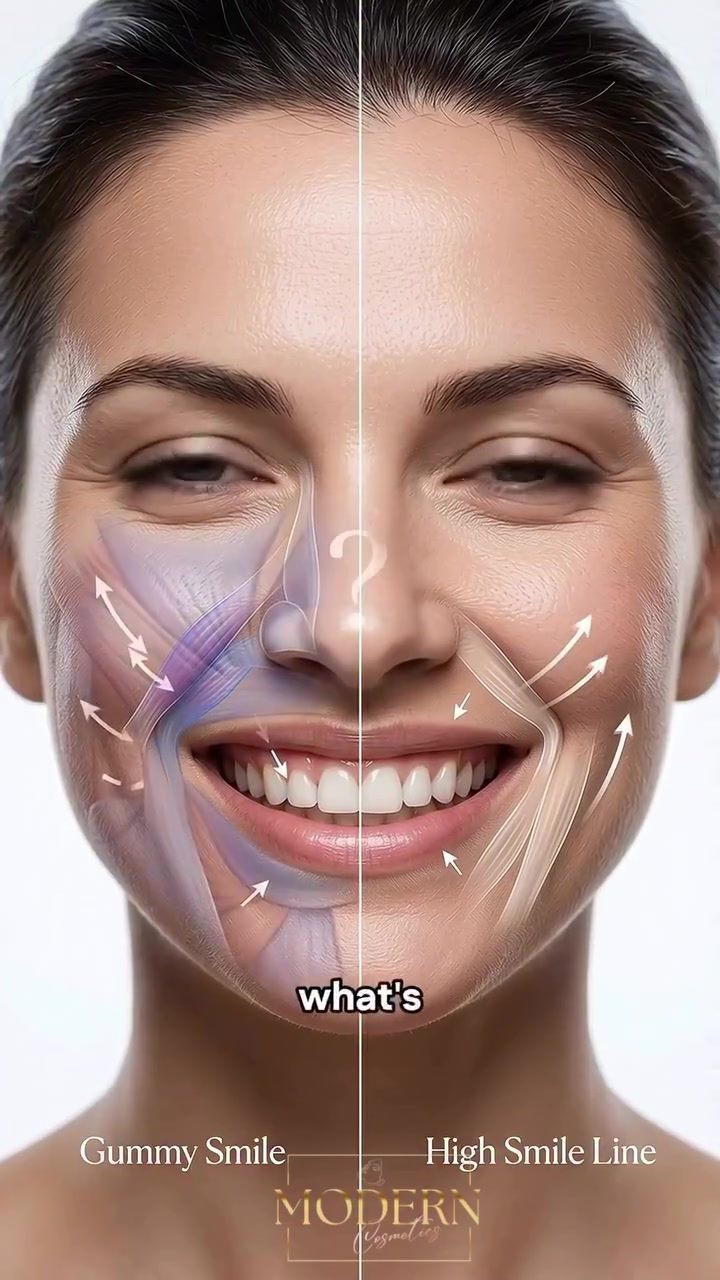
Understanding Gummy Smiles and High Smile Lines
Smile aesthetics play a significant role in how we perceive ourselves and how others perceive us. Two common terms often discussed in this context are "gummy smile" and "high smile line." While they might seem similar, they refer to distinct facial features. Understanding the difference between a gummy smile and a high smile line can help in making informed decisions about cosmetic procedures and smile enhancements.
Why This Matters
Facial aesthetics, including smile aesthetics, influence self-confidence and social interactions. Both gummy smiles and high smile lines are normal variations in facial anatomy, but they can affect how we perceive our smiles and how others see them. Understanding these differences can guide decisions about cosmetic consultations and potential enhancements.
Main Discussion
Defining a Gummy Smile
A gummy smile occurs when an excessive amount of gum tissue is visible above the upper teeth when you smile. This can happen due to several factors, including the position of the upper lip, the size and shape of the teeth, and the overall facial structure. The key characteristic of a gummy smile is the prominence of the gum tissue, which can sometimes overshadow the teeth.
Defining a High Smile Line
A high smile line, on the other hand, is when the upper lip naturally lifts higher, revealing more of the upper teeth. Unlike a gummy smile, a high smile line does not necessarily display excess gum tissue. Instead, it shows more of the upper teeth, creating a different aesthetic altogether. This can be influenced by the position of the upper lip, the length of the upper teeth, and the overall shape of the face.
Visual Differences
Visually, the main difference between a gummy smile and a high smile line lies in what is revealed when you smile. A gummy smile showcases more gum tissue, while a high smile line reveals more of the upper teeth. Both are natural variations in facial anatomy and can be influenced by various factors, including the position of the upper lip, facial muscles, tooth display, and individual facial proportions.
Anatomy of a Smile
The anatomy of a smile involves several components, including the teeth, gums, lips, and facial muscles. The position of the upper lip and the length of the teeth play crucial roles in determining whether someone has a gummy smile or a high smile line.
Gummy smiles are often characterized by a low upper lip position, which can make the gum tissue more visible. In contrast, a high smile line typically results from a higher upper lip position, which reveals more of the upper teeth. Both conditions can be influenced by genetic factors, aging, and overall facial proportions.
Influencing Factors
Several factors contribute to the visibility of gum tissue or teeth when smiling. These include:
- Upper Lip Position: The position of the upper lip significantly affects what is revealed when you smile. A higher upper lip position tends to show more teeth, while a lower position can make the gums more visible.
- Facial Muscles: The muscles in the face, particularly those around the mouth, play a role in how the lips and gums move during a smile.
- Tooth Display: The length and shape of the teeth can influence how much gum or tooth is visible.
- Facial Proportions: Individual facial proportions, including the size and shape of the face, can affect the overall appearance of the smile.
Practical Tips
When considering cosmetic enhancements or consultations, understanding your smile anatomy is crucial. Here are some practical tips to keep in mind:
Consult a Professional
Consulting with a cosmetic professional can help you understand your unique facial anatomy. Cosmetic consultations typically involve a detailed examination of your smile, including the position of your upper lip, the length of your teeth, and the visibility of your gums.
Personalized Treatment
Every smile is unique, and so is every cosmetic treatment. A personalized approach ensures that the treatment addresses your specific concerns, whether it's excess gum tissue or the desire to reveal more of your teeth. Common treatments for gummy smiles include laser gum contouring, while treatments for a high smile line might focus on reshaping or lengthening the teeth.
Non-Invasive Options
Non-invasive options are also available. For example, Botox can be used to relax the muscles around the mouth, altering the position of the upper lip and reducing the visibility of gum tissue. This can be a good option for those who want temporary results without undergoing surgery.
Important Takeaways
Understanding the differences between a gummy smile and a high smile line can help you make informed decisions about cosmetic enhancements. Here are the key points to remember:
- Gummy Smile: Characterized by excess gum tissue visible above the upper teeth.
- High Smile Line: Reveals more of the upper teeth with little or no gum tissue.
- Factors: Both conditions are influenced by the position of the upper lip, facial muscles, tooth display, and individual facial proportions.
Knowing these details can guide you through consultations and help you achieve the smile you desire.
Conclusion
In the world of smile aesthetics, understanding the nuances between a gummy smile and a high smile line is essential. Both are natural variations in facial anatomy, but they affect how we perceive and enhance our smiles. By recognizing the differences and consulting with professionals, you can make informed decisions about cosmetic treatments and achieve a smile that aligns with your personal goals and preferences.
Questions readers ask
What defines a gummy smile?
A gummy smile is characterized by an excessive display of gum tissue when a person smiles. This occurs when the upper lip rises too high, exposing more gum than teeth, often due to a short upper lip or hyperactive lip muscles.
How does a high smile line differ from a gummy smile?
A high smile line, also known as a high lip line, reveals more of the upper teeth when a person smiles. Unlike a gummy smile, a high smile line shows less gum tissue, and more of the upper teeth are visible, sometimes even exposing the gum line near the teeth.
Can a gummy smile be corrected with cosmetic procedures?
Yes, a gummy smile can be addressed through various cosmetic procedures. Options include laser gum contouring, lip repositioning, or even Botox injections to reduce the elevation of the upper lip. Consulting with a dental professional can help determine the best approach.
What are the factors that contribute to a high smile line?
A high smile line is typically influenced by the anatomy of the face, including the shape and position of the lips and teeth. It can be a result of a longer upper lip, a shorter crown length of the teeth, or a combination of these factors.
How can understanding the difference between a gummy smile and a high smile line help in smile enhancement?
Understanding the distinction between a gummy smile and a high smile line is crucial for choosing the right cosmetic procedure. Knowing which condition you have can guide you in selecting the appropriate treatment, whether it's for reducing gum display or adjusting the lip line.
Can a high smile line impact dental health?
A high smile line itself does not typically impact dental health, but it can affect the perception of one's smile. If the high smile line exposes too much of the teeth or gums, it might lead to self-consciousness or social anxiety, prompting individuals to seek smile enhancements.
Recent articles
Fresh deep dives from the latest Reels we unpacked.




Comments
Be the first to comment.