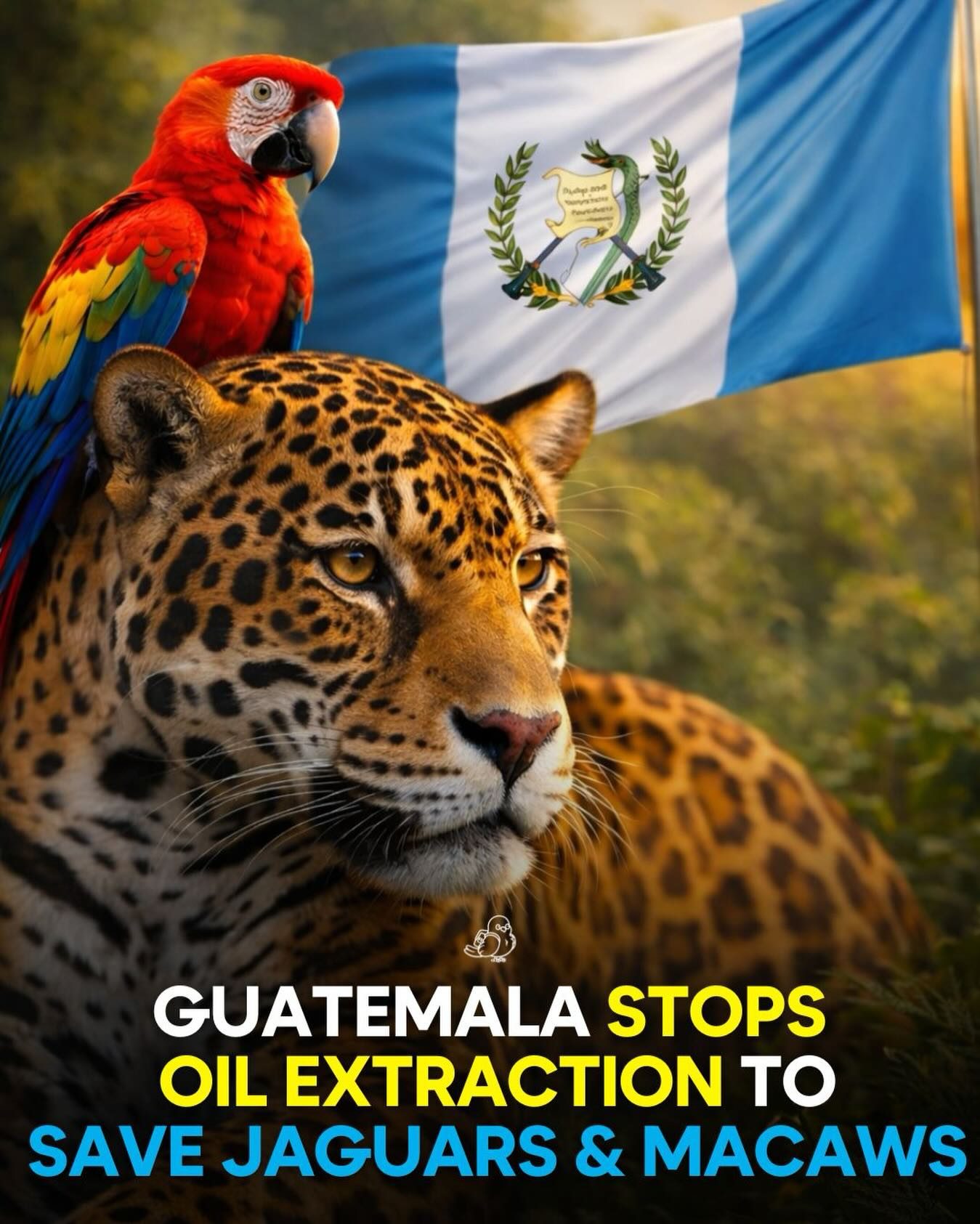
Guatemala's Bold Move to Protect Wildlife and Rainforests
Guatemala has made a significant decision to protect its wildlife and rainforests by halting oil extraction in sensitive regions. This move is aimed at safeguarding two critically important species: jaguars and scarlet macaws. These species play pivotal roles in maintaining the balance of Guatemala's ecosystems.
Why This Matters
Guatemala's decision to prioritize wildlife conservation over oil extraction is particularly noteworthy in the face of global biodiversity loss. Jaguars and scarlet macaws are not just iconic animals; they are keystone species whose presence has a profound impact on the health of their ecosystems. Jaguars help regulate food chains, while macaws aid in forest regeneration through seed dispersal. By protecting these species, Guatemala is essentially safeguarding the integrity of its rainforests, which are crucial for carbon sequestration, water cycling, and biodiversity.
Main Discussion
The Role of Jaguars and Macaws
Jaguars are apex predators, meaning they sit at the top of the food chain. Their presence helps control the populations of herbivores, which in turn prevents overgrazing and maintains the health of plant communities. Jaguars also play a role in scavenging, helping to clean up carcasses and prevent the spread of disease. Their hunting habits and scavenging behavior contribute to the overall health and stability of the ecosystem.
Scarlet macaws, on the other hand, are essential for forest regeneration. These vibrant birds have a unique way of aiding in the dispersal of seeds. As they fly from tree to tree, they consume fruits and later excrete the seeds, often far from the parent tree. This process helps in the propagation of plant species, contributing to the forest's biodiversity and resilience.
The Impact of Oil Extraction
Oil extraction activities often involve deforestation, which can lead to habitat loss and fragmentation. This not only threatens the survival of jaguars and macaws but also disrupts the delicate balance of the ecosystem. Deforestation can cause soil erosion, water pollution, and the release of stored carbon, all of which have significant environmental impacts. By halting oil extraction, Guatemala is taking a stand against these detrimental effects and prioritizing the long-term health of its rainforests.
The Broader Message
Guatemala's decision sends a powerful message to the world: development does not have to come at the cost of nature. In an era where biodiversity loss is on the rise, this move underscores the importance of sustainable practices. It shows that it is possible to make choices that balance economic growth with environmental stewardship. This decision could inspire other countries to reconsider their approach to natural resource management and environmental conservation.
Practical Tips
If you are inspired by Guatemala's actions and want to contribute to wildlife conservation, here are some practical steps you can take:
Support Local Conservation Efforts
Many local and international organizations are working to protect wildlife and rainforests. Supporting these organizations through donations, volunteering, or raising awareness can make a significant difference. Look for reputable organizations that focus on conservation in Guatemala or other biodiversity hotspots.
Promote Sustainable Practices
In your daily life, adopt practices that support environmental sustainability. This can include reducing your carbon footprint, conserving water, and choosing products that are eco-friendly. By making conscious choices, you contribute to a broader movement that values the health of the planet.
Educate Others
Share information about the importance of wildlife conservation and the impact of oil extraction. The more people understand the issues, the more likely they are to take action. Whether through social media, community events, or educational programs, spreading awareness can catalyze change.
Advocate for Policy Changes
Engage with policymakers and advocate for stricter environmental regulations. Encourage your government to prioritize wildlife conservation and sustainable development. Your voice can help shape policies that protect natural habitats and promote biodiversity.
Important Takeaways
Guatemala's decision to halt oil extraction in sensitive regions is a landmark move that underscores the importance of wildlife conservation. By protecting jaguars and macaws, the country is safeguarding the health of its rainforests and sending a powerful message about the need for sustainable development. This move could inspire other nations to rethink their approaches to natural resource management and environmental stewardship.
Conclusion
Guatemala's commitment to wildlife conservation and the protection of its rainforests is a significant step forward in the global fight against biodiversity loss. By halting oil extraction and prioritizing the well-being of keystone species like jaguars and macaws, the country is demonstrating that development can coexist with environmental sustainability. This decision not only benefits Guatemala but also sets a precedent for other nations to follow. As we face the challenges of climate change and biodiversity loss, such bold actions are essential for ensuring a sustainable future for all.
Questions readers ask
Why did Guatemala decide to halt oil extraction in certain areas?
Guatemala halted oil extraction in specific regions to prioritize the protection of vital wildlife, particularly jaguars and scarlet macaws. These species are essential for maintaining the health of the country's ecosystems.
What roles do jaguars play in Guatemala's ecosystems?
Jaguars are crucial for regulating food chains in Guatemala's ecosystems. By preying on various species, they help maintain a balanced and healthy ecosystem, which in turn supports biodiversity and overall rainforest health.
How do scarlet macaws contribute to forest regeneration in Guatemala?
Scarlet macaws aid in forest regeneration by dispersing seeds from the fruits they consume. This process helps to spread plant diversity and promotes the growth of new trees, which are essential for sustaining healthy rainforests.
What are the implications of Guatemala's decision on global biodiversity conservation efforts?
Guatemala's decision to prioritize wildlife conservation over oil extraction sets a significant example globally. It highlights the importance of protecting keystone species and demonstrates a commitment to preserving biodiversity amidst global losses.
Are there specific areas in Guatemala focused on wildlife protection?
Yes, Guatemala has identified critical areas where oil extraction has been halted to focus on protecting key species. This approach aims to ensure that the most biologically important regions are safeguarded for the benefit of the ecosystems and the species that depend on them.
What actions does Guatemala plan to take to protect these ecosystems in the future?
While the article does not detail specific future actions, Guatemala's halt on oil extraction indicates a broader environmental policy aimed at protecting its rainforests and the species that thrive within them. Further policies and initiatives are likely to be developed to ensure the long-term sustainability and health of these ecosystems.
Related deep dives
Similar reads based on topic and creator.


Recent articles
Fresh deep dives from the latest Reels we unpacked.




Comments
Be the first to comment.