Greece’s Wildfires and the Tragic Mid-Air Helicopter Collision
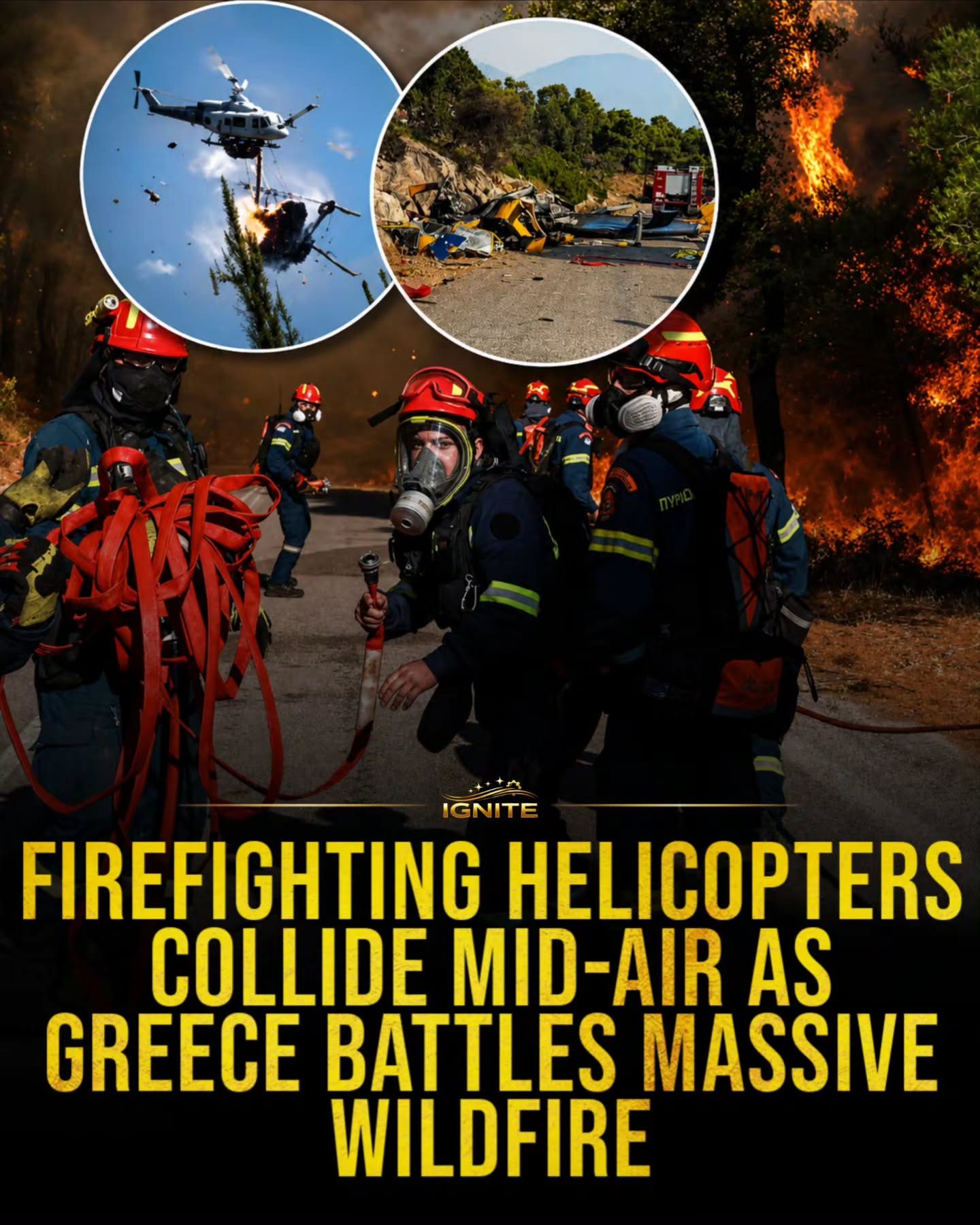
The recent wildfires in Greece have been devastating, and a tragic incident involving firefighting helicopters has brought the danger of these blazes into stark relief. As firefighters battled a massive wildfire, two helicopters collided mid-air, resulting in a grim aftermath that included helicopter wreckage and ongoing firefighting efforts amidst the flames and smoke.
Why This Matters
The collision of the firefighting helicopters in Greece underscores the immense risks that emergency responders face while battling wildfires. These incidents highlight the need for enhanced safety measures and advanced firefighting technologies to protect those on the front lines. The severity of the wildfires and the dangers faced by firefighters demand urgent attention and support.
The Incident: A Detailed Look
The Collision
The collision occurred as two firefighting helicopters were engaged in battling a massive wildfire. The collision resulted in both helicopters crashing to the ground, leaving behind significant wreckage. This incident not only disrupted the firefighting efforts but also underscored the perilous conditions under which firefighters operate.
The Aftermath
The aftermath of the collision is a stark reminder of the dangers faced by firefighters. The scene is dominated by the wreckage of the helicopters and fire trucks, with firefighters continuing their efforts amidst the flames and smoke. The severity of the wildfire is evident, with large areas consumed by the blaze and thick smoke obscuring visibility.
The Efforts to Combat the Wildfire
Despite the tragic incident, firefighters have remained committed to their mission. They work tirelessly to contain the wildfire, using various firefighting techniques and equipment. The scene is a testament to their dedication and the challenges they face, highlighting the importance of their role in protecting lives and property.
The Challenges Faced by Firefighters
Extreme Conditions
Firefighters battling wildfires face extreme conditions, including high temperatures, thick smoke, and unpredictable fire behavior. These conditions can change rapidly, making it difficult for firefighters to stay safe while performing their duties.
Limited Visibility
The thick smoke produced by wildfires can severely limit visibility, making it challenging for firefighters to navigate and operate effectively. This was exacerbated by the collision, as the smoke made it difficult to see and coordinate firefighting efforts.
Equipment and Technology
Firefighters rely on advanced technology and equipment to battle wildfires. Helicopters are crucial for aerial firefighting, allowing firefighters to reach remote areas and drop water or fire retardant. However, the collision highlights the risks associated with aerial operations and the need for enhanced safety measures.
Practical Tips for Firefighters and Emergency Responders
Safety First
Given the risks involved, it is essential for firefighters to prioritize safety. This includes wearing appropriate protective gear, staying alert to changing conditions, and maintaining clear communication with other team members.
Training and Preparedness
Training and preparedness are key to effective firefighting. Firefighters should undergo regular training to stay updated on the latest techniques and technologies. This includes learning about the use of helicopters and other aerial firefighting equipment.
Communication and Coordination
Effective communication and coordination are crucial during firefighting operations. Firefighters must maintain clear lines of communication to coordinate their efforts and respond to changing conditions. This is especially important in aerial operations, where visibility and communication can be compromised.
Important Takeaways
The Risks of Aerial Firefighting
The collision of the firefighting helicopters highlights the risks associated with aerial firefighting. While helicopters provide a valuable tool for combating wildfires, they also pose significant dangers to those operating them.
The Need for Enhanced Safety Measures
The tragic incident underscores the need for enhanced safety measures in aerial firefighting. This includes improved safety protocols, better training, and advanced safety equipment. Firefighters must be equipped with the latest safety measures to protect themselves and those they serve.
The Importance of Emergency Responders
The ongoing firefighting efforts in Greece highlight the importance of emergency responders. These brave individuals face immense risks and challenges to protect lives and property. Their dedication and resilience are essential to combating the devastating wildfires.
Conclusion
The collision of the firefighting helicopters in Greece serves as a grim reminder of the dangers faced by emergency responders battling wildfires. The severity of the wildfires and the risks associated with aerial firefighting underscore the need for enhanced safety measures and advanced technologies. As firefighters continue their efforts, it is essential to support and protect those on the front lines, ensuring they have the resources and training needed to battle these devastating blazes. Let us recognize the bravery and dedication of firefighters and work together to support their efforts in combating wildfires.
Questions readers ask
What caused the mid-air collision of the firefighting helicopters in Greece?
The mid-air collision of the firefighting helicopters in Greece was primarily due to the extreme conditions and challenges posed by the wildfires. The dense smoke, intense flames, and urgent response measures all contributed to the tragic incident. This highlighted the need for advanced technology and safety protocols.
What are the main risks faced by firefighters during wildfires?
Firefighters face numerous risks during wildfires, including extreme heat, smoke inhalation, and unpredictable fire behavior. The use of helicopters for firefighting adds additional dangers, such as limited visibility and the potential for mid-air collisions.
How can safety measures for firefighters battling wildfires be improved?
Improving safety measures for firefighters involves implementing advanced firefighting technologies, such as drones for real-time monitoring, and enhancing communication systems. Regular training and drills to simulate extreme conditions can also better prepare firefighters for the challenges they face.
What impact did the helicopter collision have on wildfire response efforts in Greece?
The helicopter collision in Greece temporarily disrupted wildfire response efforts, as resources had to shift to managing the aftermath of the incident. The loss of equipment and personnel also affected the overall firefighting capabilities during the ongoing blazes.
What technologies can help reduce the risks for helicopter firefighters?
Technologies such as collision avoidance systems, improved communication devices, and enhanced mapping tools can significantly reduce risks for helicopter firefighters. These tools help pilots navigate through dense smoke and avoid obstacles, improving overall safety and response efficiency.
How do firefighters in Greece typically respond to wildfires?
Firefighters in Greece employ a combination of ground and air-based strategies to combat wildfires. Ground crews work to contain and extinguish fires, while helicopter firefighters provide aerial support, including water drops and transport of supplies. Coordinated efforts between these teams are crucial for effective wildfire management.
What steps can be taken to prevent future mid-air collisions during firefighting operations?
To prevent future mid-air collisions, implementing strict safety protocols, including clear communication channels and designated flight paths, is essential. Utilizing advanced tracking systems and ensuring regular maintenance of equipment can also minimize risks during firefighting operations.
Related deep dives
Similar reads based on topic and creator.

Recent articles
Fresh deep dives from the latest Reels we unpacked.




Comments
Be the first to comment.