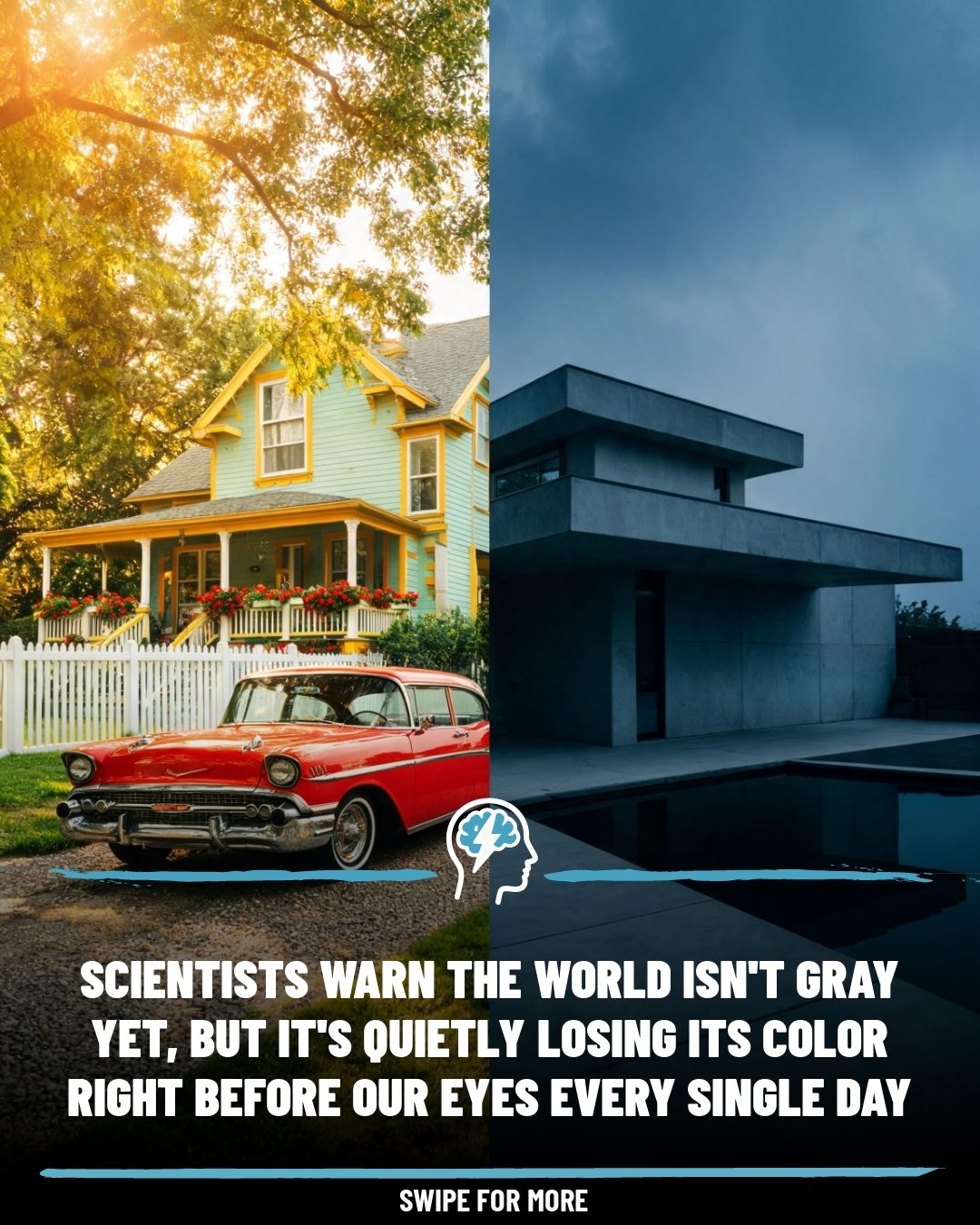
The Fading World of Color
Our surroundings are subtly shifting towards a world dominated by neutrals. It’s a trend that’s not just in vogue, but measurable. Researchers have analyzed thousands of historical objects using computer vision, tracking color use over the centuries. The findings are striking: from the bold hues and natural materials of the 1800s, we've shifted to a palette dominated by gray, white, and black.
Why This Matters
Understanding this shift is crucial for various reasons. It affects our daily lives, from the cars we drive to the homes we live in and the technology we use. The pervasive use of neutrals has implications for how we interact with our environment, our design choices, and even our emotional well-being. The shift from vibrant colors to muted tones is not just a passing trend but a significant cultural and design evolution.
The Evolution of Color in Design
Cars: From Vivid to Neutral
Historically, cars were vibrant and full of color. The 1950s showrooms were a riot of hues, with each model boasting unique, eye-catching colors. Fast forward to today, and the automotive landscape looks very different. Most new cars come in variations of white, black, gray, or silver. This shift is driven by market demands and resale value. Neutral colors are easier to sell across different markets, making them a safer bet for manufacturers.
Homes: The Rise of Greige
The trend of neutral colors isn't confined to cars. Home design has also embraced the greige (gray + beige) palette. Flat white walls and safe, neutral finishes are now the norm. This trend is driven by a desire for uniformity and low-risk choices. Designs are often aimed at the next buyer rather than the current one, emphasizing resale value over personal taste.
Technology: The Flat Design Era
Even our tech devices have fallen victim to this trend. Early tech gadgets, including phones, were bright, translucent, and fun. Today, phones and other devices are sleek, dark slabs designed to look uniform and modern. This shift is influenced by the need for devices to look the same everywhere, making them universally appealing.
Monochrome Kids' Rooms
Kids' rooms, once vibrant with primary colors and playful patterns, are increasingly adopting monochrome designs. This shift towards muted earth tones and uniformity reflects a broader trend in interior design, where uniformity and easy resale are prioritized over personal expression and creativity.
The Sterile Look of Modern Barbershops
Modern barbershops are also feeling the impact of this trend. Older barbershops had a unique character with worn chairs, vintage posters, and a sense of history. Today, many barbershops opt for a sterile, uniform look, prioritizing cleanliness and modernity over character and warmth.
The Concrete Revolution in Architecture
Walls are another area where this trend is evident. Peeling paint reveals layers of older colors, showing a history of vibrant hues. However, the trend is moving towards bare, uniform concrete. This shift is driven by practicality and durability, but it also results in a loss of character and warmth.
Practical Tips for Embracing Color
Incorporating Color in Your Home
Bringing color back into your home can be as simple as adding a few bright accents. Consider painting an accent wall, choosing colorful rugs or cushions, or even incorporating colorful art pieces. These small changes can make a big difference in bringing vibrancy back into your living space.
Choosing Colorful Appliances
When updating your home appliances, opt for those with a vibrant color palette. Colorful appliances not only add a pop of color to your kitchen or living room but also make your space feel more personalized and unique.
Garden and Outdoor Spaces
Don’t forget about your outdoor spaces. Adding colorful plants, bright outdoor furniture, and colorful decor can transform your garden or patio into a vibrant oasis.
Important Takeaways
The world is subtly losing its color, and this shift affects every aspect of our lives, from our cars to our homes and technology. Understanding this trend is essential for making informed design choices. While neutrals offer practical benefits, they lack the vibrancy and character that once defined our surroundings. Embracing color can infuse our spaces with warmth, personality, and a sense of individuality.
Conclusion
The transition to a world dominated by neutrals is a significant cultural and design shift. While it offers practical benefits such as easier resale and uniformity, it also means a loss of color, character, and personal expression. By recognizing this trend and making conscious choices, we can bring back the vibrancy and warmth that once defined our world.
Questions readers ask
What do researchers mean when they refer to the global monochrome trend?
Researchers are observing a measurable shift in color preferences. They have found that objects and designs from the 1800s often featured bold colors and natural materials, but modern trends favor neutral colors like gray, white, and black. This shift is evident in various aspects of daily life, from home decor to technology designs.
How does the shift to monochrome design impact our daily lives?
The shift to monochrome design influences our choices in design, our interactions with the environment, and even our emotional well-being. For instance, the cars we drive, the homes we live in, and the technology we use are increasingly adopting neutral color schemes, which can affect how we perceive and navigate our surroundings.
Is the global monochrome movement a temporary fashion trend?
The global shift to monochrome is more than just a passing trend. It's a measurable trend towards neutral color schemes that can be seen in various aspects of daily life. The trend is evident in data from the 1800s to the present, and it continues to influence modern design choices.
Why are neutral color schemes like gray, white, and black becoming more popular?
Neutral color schemes are becoming more popular due to their versatility and timeless appeal. These colors can easily blend with different design styles and add a sense of calm and simplicity to environments. Additionally, they can evoke a sense of sophistication and elegance.
How does the adoption of a monochrome aesthetic affect our emotional well-being?
The adoption of a monochrome aesthetic can have a calming effect on our emotional well-being. Neurals like gray, white, and black can create a sense of order and simplicity, reducing visual clutter and promoting a peaceful atmosphere. This minimalist approach can help reduce stress and improve focus.
Related deep dives
Similar reads based on topic and creator.




Recent articles
Fresh deep dives from the latest Reels we unpacked.




Comments
Be the first to comment.