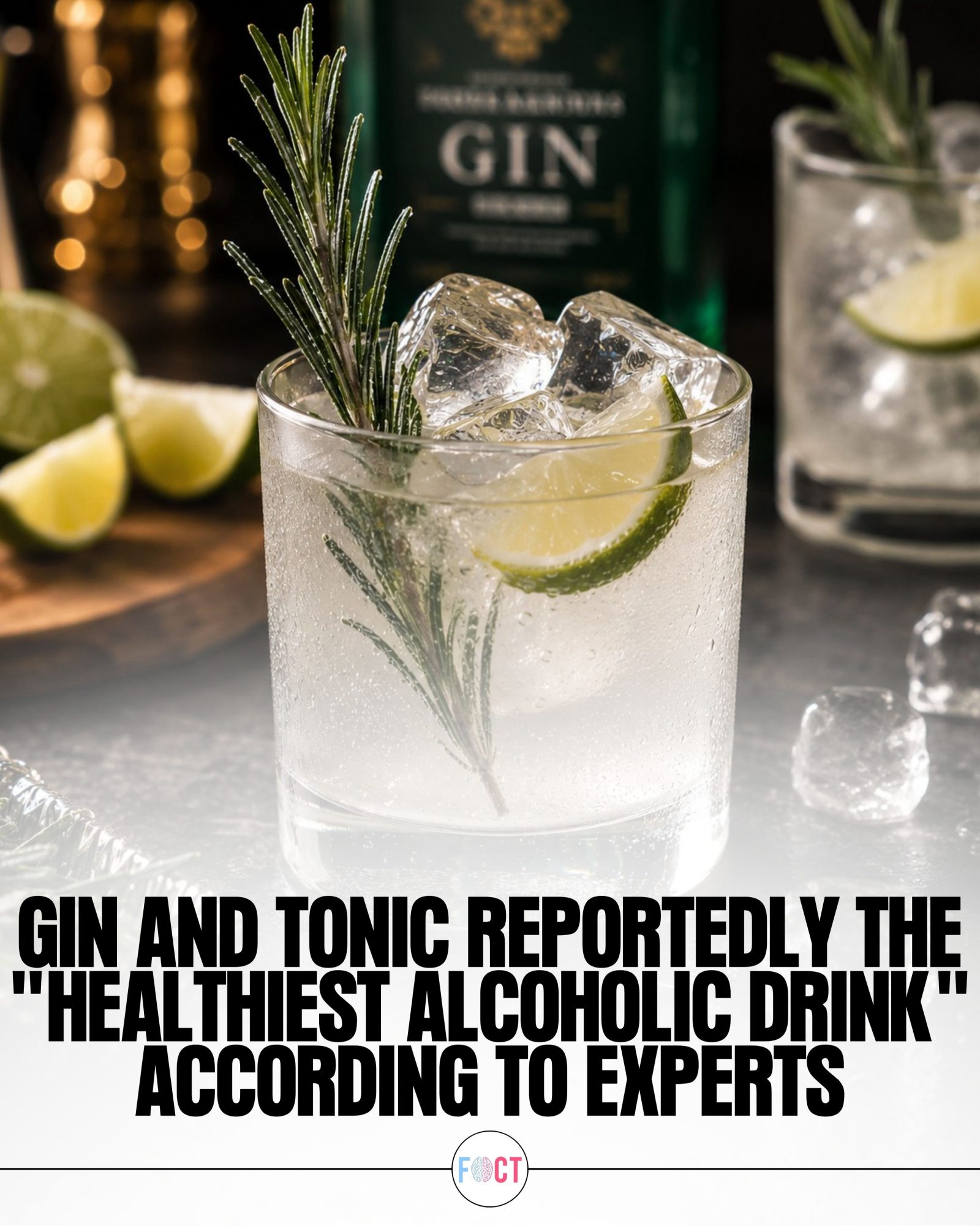
Gin and Tonic: A Refreshing Cocktail with Fewer Drawbacks
Gin and tonic is frequently mentioned as the 'healthiest' alcoholic drink. This claim, however, is nuanced. It’s important to understand what makes this classic cocktail a somewhat better choice compared to other alcoholic beverages.
Context: Why This Matters
Many people interested in maintaining a balanced lifestyle still enjoy an occasional alcoholic beverage. For those who want to imbibe with fewer health drawbacks, understanding why gin and tonic is often cited as the "healthiest" option is valuable.
What Makes Gin and Tonic a Better Choice?
Lower Sugar and Calorie Content
One of the main reasons gin and tonic is considered a healthier option is its lower sugar and calorie content. When made with diet or low-sugar tonic water, this cocktail can significantly reduce the intake of these elements. This is particularly true when compared to cocktails that include syrups, sweet liqueurs, or fruit juices, which tend to be higher in both sugar and calories.
Ingredients and Health Benefits
Gin and tonic often includes lime and rosemary as garnishes. Limes provide a tangy flavor that complements the gin and tonic perfectly, but they also have health benefits. Limes are rich in vitamin C and antioxidants, which can help boost the immune system and promote overall health. Rosemary, on the other hand, is known for its anti-inflammatory properties and can aid in digestion.
The Role of Gin
Gin itself is a spirit that is relatively low in calories and sugar. Made from juniper berries, gin often contains fewer additives compared to other spirits like vodka, rum, or whiskey. This makes it a cleaner base for a cocktail.
The Impact of Tonic Water
When choosing tonic water, opt for a low-sugar or diet version. Regular tonic water can be high in sugar and calories, negating the healthier aspects of the gin. Low-sugar options like Fever-Tree Light Tonic Water or Schweppes Sugar-Free Tonic Water are excellent choices.
The Effects of Alcohol
It is essential to recognize that while gin and tonic may have fewer drawbacks, it still contains alcohol. Alcohol affects the body in various ways, including reducing sleep quality, impairing judgment, and impacting metabolism. Hydration is also affected, as alcohol is a diuretic. Therefore, while enjoying a gin and tonic, it's crucial to stay hydrated by drinking water alongside it.
Practical Tips
If you choose to enjoy a gin and tonic, here are some tips to make the most of its benefits:
Choose Your Tonic Wisely
Select a low-sugar or diet tonic water to minimize the overall sugar and calorie content. These options are widely available and can make a significant difference in the health impact of your drink.
Add Fresh Garnishes
Use fresh lime and rosemary as garnishes. These not only enhance the flavor but also contribute to the overall health benefits of your cocktail.
Moderation is Key
While gin and tonic may be a healthier option compared to other cocktails, it is still an alcoholic beverage. Moderation is the most important factor. Enjoying an occasional drink in moderation can be part of a balanced lifestyle.
Important Takeaways
- Gin and tonic can be a healthier option due to its lower sugar and calorie content, especially when made with low-sugar or diet tonic water.
- The drink includes beneficial ingredients like lime and rosemary, which provide additional health benefits.
- Alcohol itself has various effects on the body, including impacting sleep, hydration, and judgment, regardless of the type of drink.
- Choosing a lower-sugar option may reduce some of the added negatives, but it does not eliminate the health effects of alcohol.
- Moderation remains the most important factor when consuming alcoholic beverages.
Conclusion
Gin and tonic is often highlighted as a healthier alcoholic drink, thanks to its lower sugar and calorie content. However, it’s crucial to remember that the key to a balanced lifestyle is moderation. Enjoying a well-made gin and tonic with fresh garnishes and a low-sugar tonic water can be a refreshing and somewhat healthier option, but always prioritize overall health and wellness.
Questions readers ask
How does the calorie content of gin and tonic compare to other alcoholic drinks?
Gin and tonic generally has fewer calories than many other alcoholic beverages. A standard gin and tonic made with diet tonic water contains around 110-130 calories, while the same serving size of wine can contain 125–150 calories, and a glass of beer can reach up to 150–200 calories. However, it’s important to note that the calorie count can increase with added mixers or sweeteners.
What are the benefits of using low-sugar tonic water in a gin and tonic?
Using low-sugar or diet tonic water reduces the overall calorie and sugar content of the drink. This makes it a suitable choice for those looking to monitor their sugar or calorie intake. Regular tonic water can have around 80-90 calories and 20-25 grams of sugar per serving, while low-sugar alternatives can cut these numbers significantly.
What role do the ingredients in a gin and tonic play in its health benefits?
The ingredients in a gin and tonic, such as lime and rosemary, offer potential health benefits. Lime is high in vitamin C, which is important for immune function, and rosemary has antioxidant properties. While these benefits are modest, they add to the overall appeal of the drink.
Is gin considered a healthy spirit?
Gin is often considered a healthier spirit compared to others because it is typically lower in calories and sugar. Additionally, it has a unique botanical profile, which can have varied health effects. However, it's important to consume it responsibly as it can still contribute to impacts commonly associated with alcohol consumption.
Can gin and tonic be part of a balanced diet?
When made correctly with low-sugar or diet tonic water and in moderation, gin and tonic can certainly be part of a balanced diet. It offers a lower-calorie alternative to many other alcoholic beverages, and it can be a good option for those who want to enjoy a drink without compromising their health goals significantly.
How does drinking gin and tonic affect hydration?
Gin and tonic can contribute to dehydration, similar to other alcoholic beverages, because alcohol inhibits the body's ability to absorb water. To mitigate this, drink gin and tonic in moderation and stay hydrated by consuming plenty of water throughout the day.
What are the health benefits of the botanicals in gin?
Gin often includes botanicals like juniper, coriander, and angelica, which may offer various health benefits. These botanicals have antioxidant properties and may support digestion. However, the quantity of these botanicals in a typical serving of gin is small, so the health benefits are also modest.
Related deep dives
Similar reads based on topic and creator.


Recent articles
Fresh deep dives from the latest Reels we unpacked.




Comments
Be the first to comment.