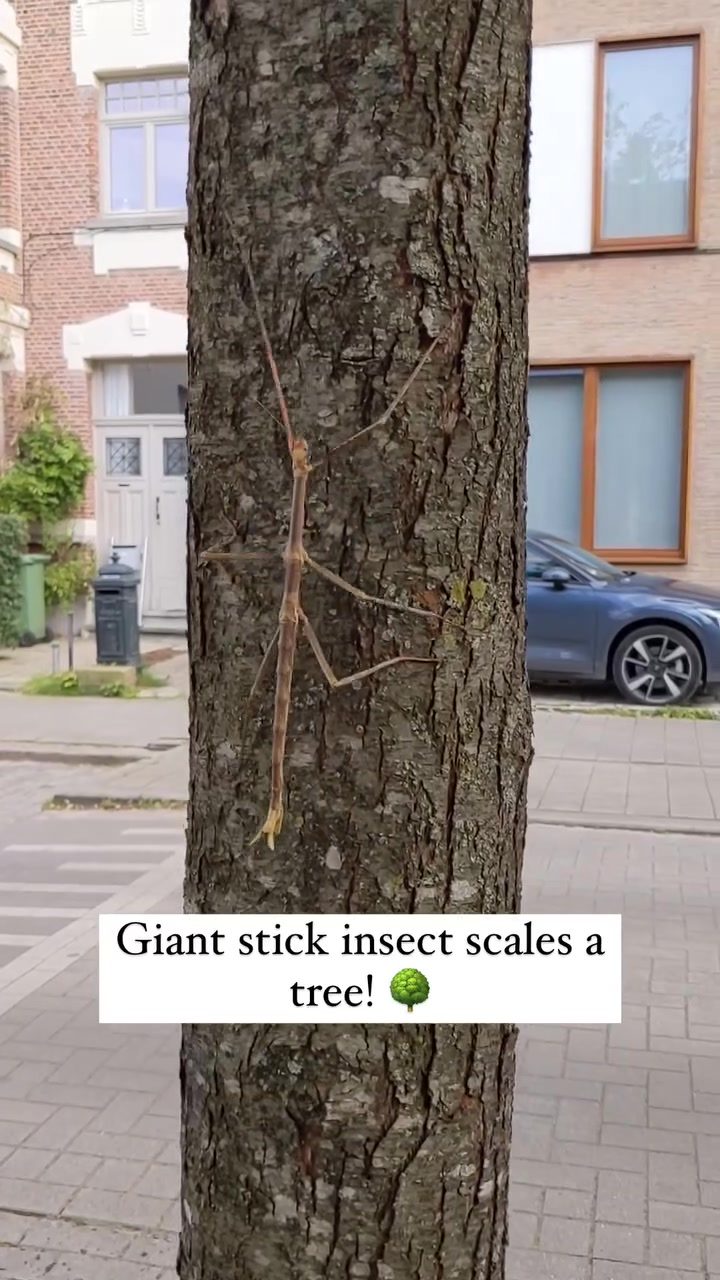
Stick Insects and Their Remarkable Camouflage
Stick insects are fascinating creatures known for their extraordinary ability to mimic the appearance of twigs and branches. This adaptation is a survival mechanism that helps them avoid predators by blending seamlessly into their natural surroundings.
Why This Matters
Understanding the camouflage techniques of stick insects offers insights into the intricate strategies used by various species to ensure their survival. These insects are not just remarkable for their appearance but also for the sophistication of their protective mechanisms. By studying their behaviors, we can gain a deeper appreciation for the diversity and complexity of nature’s defenses.
The Science of Stick Insect Camouflage
Stick insects, particularly the giant stick insect, are masters of disguise. Their long, slender bodies and coloration closely resemble twigs, making them nearly invisible to potential predators. This camouflage is not just about color; it extends to their body shape and movement patterns. Here are a few key points that make their camouflage so effective:
Body Shape and Size
The elongated body of a stick insect is designed to mimic the thin, branch-like structures of trees. This resemblance is so convincing that even from a short distance, it can be difficult to distinguish an insect from a real twig. The giant stick insect, in particular, can grow up to several inches long, making it even more convincing as a part of the tree.
Color and Texture
The coloration of stick insects varies depending on their environment. They can range from light brown to green, often with varying shades to match the bark or leaves they inhabit. Their bodies are often covered in small bumps and ridges that mimic the texture of tree bark, further enhancing their disguise.
Remaining Stationary
One of the most critical aspects of a stick insect’s camouflage is its ability to remain motionless for extended periods. When threatened, stick insects can freeze in place, making them nearly invisible. This immobility is so effective that even if a predator is close by, it may not notice the insect.
Practical Tips for Spotting Stick Insects
While stick insects are experts at hiding, there are a few tips to help you spot them in the wild:
Look for Movement
Although stick insects can remain still for long periods, they will occasionally move. Look for slight movements or twitches that might give away their presence. Small vibrations or twitches are often the only signs that a stick insect is near.
Search in Trees
Stick insects are commonly found in trees, particularly in areas with dense foliage. Look for them in branches that resemble their body shape and color. They often choose spots that provide good cover and blend in with the surrounding vegetation.
Be Patient
Stick insects are masters of camouflage, so patience is key. Sometimes, it might take a while to spot one, but with careful observation and a keen eye, you can discover these fascinating creatures in their natural habitat.
Important Takeaways
Stick insects offer a unique glimpse into nature’s innovative survival strategies. Their ability to camouflage themselves effectively highlights the importance of adaptation in the natural world. By understanding and appreciating these mechanisms, we can deepen our knowledge of ecological relationships and the delicate balance of ecosystems.
The study of stick insects also underscores the value of environmental conservation. Their survival depends on preserving the habitats where they thrive, which in turn supports the overall health of the ecosystem.
Conclusion
Stick insects are more than just fascinating creatures; they are living examples of nature’s ingenuity. Their remarkable camouflage skills serve as a reminder of the complexity and beauty of the natural world. By appreciating and protecting these creatures, we contribute to the preservation of biodiversity and the delicate balance of life on Earth.
Questions readers ask
What specific adaptations do giant stick insects use for camouflage?
Giant stick insects use several adaptations for camouflage. They have elongated bodies that resemble twigs or branches, and their coloration can change to match their surroundings. Additionally, they move in a way that mimics the gentle swaying of vegetation, making them nearly indistinguishable from their environment.
How do stick insects' defensive mechanisms help them survive?
Stick insects' defensive mechanisms, primarily their exceptional camouflage, help them survive by making them nearly invisible to predators. By mimicking twigs and branches, they avoid detection and potential attacks, ensuring their survival in the wild.
What are some of the most impressive examples of stick insect mimicry?
Phasmedia stick insects, including the giant stick insects, are notable for their impressive mimicry. Some species can change their color to match their surroundings, and others have thorn-like projections that make them look more like plant material, thereby enhancing their camouflage.
Why are giant stick insects considered one of nature's best examples of camouflage?
Giant stick insects are considered among nature's best examples of camouflage due to their remarkable ability to mimic the appearance and movement of twigs and branches. Their adaptations in body shape, color, and behavior make them nearly undetectable to predators, showcasing the sophistication of their survival strategies.
What role does behavior play in the camouflage of stick insects?
Behavior plays a crucial role in the camouflage of stick insects. They move slowly and deliberately, mimicking the natural movement of vegetation. This, combined with their static poses, helps them blend seamlessly into their surroundings, further reducing the likelihood of being spotted by predators.
Are all stick insects capable of changing color to match their environment?
Not all stick insects can change color to match their environment. While some species, like certain giant stick insects, have this ability, others rely on their body shape and natural coloration to blend in. The capability to change color is more common in species that inhabit diverse environments with varying vegetation.
Related deep dives
Similar reads based on topic and creator.




Recent articles
Fresh deep dives from the latest Reels we unpacked.




Comments
Be the first to comment.