Giant Sequoias: The Role of Fire in Their Survival and Forest Management
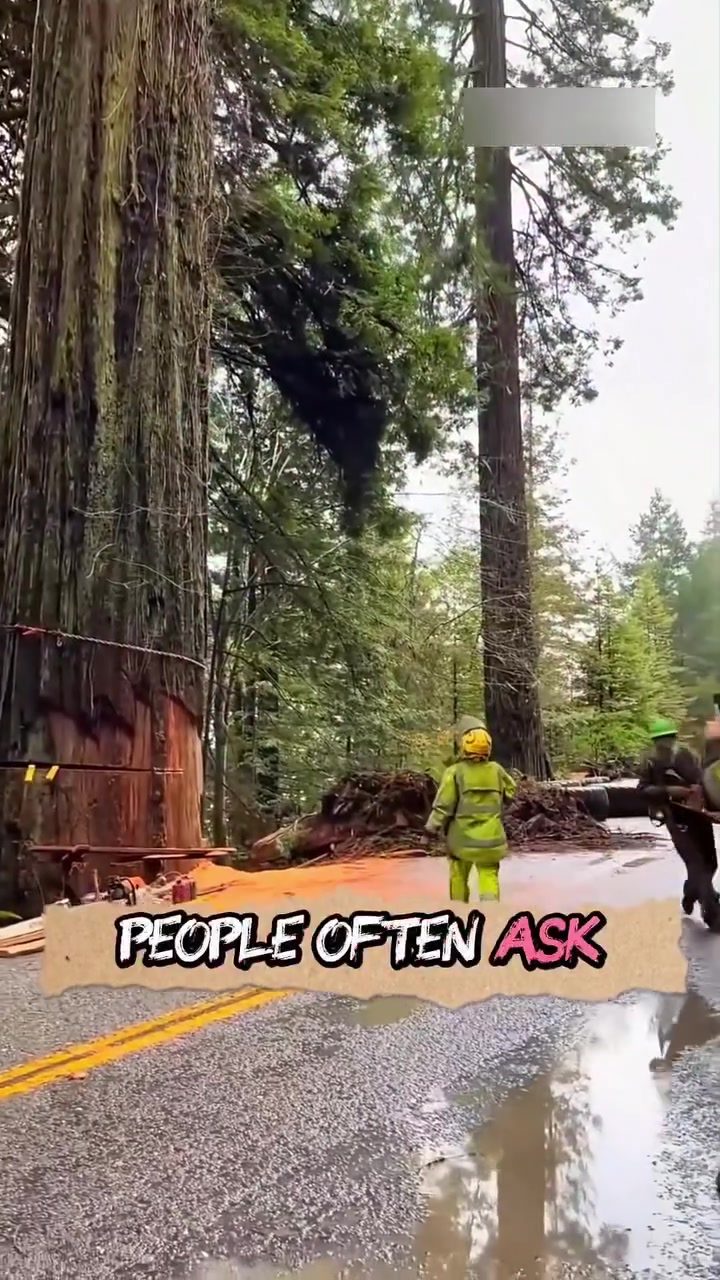
Giant sequoias, some of the largest and oldest trees on Earth, have long captivated the public's imagination. These majestic trees can live for over 3,000 years and grow trunks so massive that it takes dozens of people to encircle them. Despite their endangered status, the U.S. sometimes cuts down these giants, sparking curiosity about the reasoning behind this practice.
Why This Matters
Understanding the dynamics of giant sequoia management is crucial for appreciating the delicate balance between nature and human intervention. By delving into the science behind forest management and the unique relationship between these trees and wildfires, we gain insights into the complex strategies used to protect these natural wonders.
The Surprising Role of Fire
Unlike most trees, giant sequoias have a surprising dependency on wildfires. Their thick bark acts as a protective shield, safeguarding them from the flames that would devastate other species. Moreover, the heat from the fires plays a critical role in opening their cones, allowing the release of seeds that would otherwise remain dormant. This process is essential for the propagation of new sequoia trees.
Fire also serves another vital function: it clears away dead plants and underbrush, creating the necessary space for new seedlings to grow. This natural cycle ensures that the forest remains healthy and that the next generation of sequoias has the room to thrive. However, when forests become too crowded with overgrown and weak trees, the accumulation of dead wood can lead to dangerously intense wildfires. This scenario poses a significant threat to the trees and the entire ecosystem.
The Art of Forest Management
To mitigate this risk, forestry workers employ a strategy of removing weak or overcrowded trees. This controlled approach helps prevent the occurrence of massive, uncontrollable wildfires that could decimate entire forests. By thinning out the forest, these workers create a healthier environment where the remaining trees, including the endangered giants, can flourish. This practice, while counterintuitive, is a necessary intervention that ensures the long-term survival of these ancient trees.
Human Intervention in Nature
The idea that even endangered giants sometimes need human help to survive underscores the intricate relationship between nature and human stewardship. Forest management practices are not just about cutting down trees; they are about creating a balanced ecosystem where all species, including the endangered ones, can thrive. By carefully managing the forest, humans can protect these natural treasures and ensure their survival for future generations.
Practical Tips for Forest Conservation
While the management of giant sequoias is a specialized task, there are several practical tips for anyone interested in forest conservation:
Support Sustainable Forestry
Choosing products made from sustainably sourced wood is one of the simplest ways to support forest conservation. Look for certifications like the Forest Stewardship Council (FSC) label, which ensures that the wood comes from responsibly managed forests.
Advocate for Forest Conservation Policies
Engage with local and national policymakers to advocate for stricter forest conservation policies. This can include supporting legislation that protects endangered species and promotes sustainable forestry practices.
Participate in Community Efforts
Join local conservation groups or volunteer for community forestry projects. These hands-on experiences can provide a deeper understanding of forest management and the challenges faced by forestry workers.
Educate Others
Share your knowledge about forest conservation with friends, family, and your community. The more people understand the importance of sustainable forestry, the greater the collective effort will be to protect these natural treasures.
Stay Informed
Keep up-to-date with the latest research and developments in forest conservation. Subscribe to scientific journals, follow conservation organizations, and participate in webinars or workshops to stay informed about best practices and new discoveries in the field.
Important Takeaways
The management of giant sequoias is a complex and multifaceted process that involves a deep understanding of these trees' unique characteristics and their relationship with wildfires. By carefully managing the forest and implementing sustainable practices, forestry workers play a crucial role in protecting these ancient trees and ensuring their survival for future generations.
The role of fire in the survival of giant sequoias is a testament to the intricate balance of nature. While fire can be destructive, it is also a vital part of the ecosystem that helps these trees thrive. By understanding and supporting sustainable forest management practices, we can all contribute to the preservation of these natural wonders.
Conclusion
Giant sequoias, with their massive trunks and ancient wisdom, stand as a symbol of resilience and the power of nature. The practice of cutting down some of these endangered trees, while surprising, is a necessary intervention to ensure the long-term survival of the species and the forest as a whole. By supporting sustainable forestry practices and advocating for conservation, we can play our part in protecting these magnificent giants for future generations to cherish.
Questions readers ask
How do giant sequoias depend on wildfires for their survival?
Giant sequoias have evolved to withstand and benefit from wildfires. Their thick, fibrous bark insulates them from fire damage, and their cones release seeds only when exposed to high heat, facilitating propagation. Wildfires also clear the forest floor of competing vegetation, giving sequoia seedlings room to grow.
Why do some forests cut down endangered giant sequoias?
The U.S. occasionally removes giant sequoias for various reasons, including forest management practices aimed at reducing fuel loads to mitigate the risk of catastrophic wildfires. Additionally, selective cutting can help clear space for younger trees and promote overall forest health, although this is a controversial practice.
Can giant sequoias regrow after being burned in a wildfire?
Yes, giant sequoias can survive and regrow after being burned in a wildfire. Their thick bark protects them from most fire damage. Fire can actually stimulate growth by clearing away competing plants and encouraging new growth.
How do wildfires aid in the propagation of giant sequoias?
Wildfires are essential for the propagation of giant sequoias. The heat from fires causes the cones to open and release seeds, which then have space to germinate and grow in the cleared forest floor, free from competing vegetation.
What measures are taken for giant sequoia conservation?
Conservation efforts for giant sequoias involve managing wildfires to mimic natural fire regimes, selective logging to reduce fuel loads, and planting new trees. Additionally, monitoring and research are conducted to understand and protect these ancient trees better.
How does the forest management of giant sequoias balance nature and human intervention?
Forest management of giant sequoias aims to balance natural processes and human intervention by using controlled burns and selective cutting. These strategies help maintain the health of the forest and protect the sequoias, which rely on fire for their long-term survival and propagation.
What role do giant sequoia trees play in the forest ecosystem?
Giant sequoias play a crucial role in the forest ecosystem by providing habitat and food for various species, improving air and water quality, and contributing to carbon sequestration. Their dependence on fire for propagation also shapes the dynamics of the forest, promoting biodiversity and resilience.
Related deep dives
Similar reads based on topic and creator.

Recent articles
Fresh deep dives from the latest Reels we unpacked.




Comments
Be the first to comment.