Crane Cover-Up
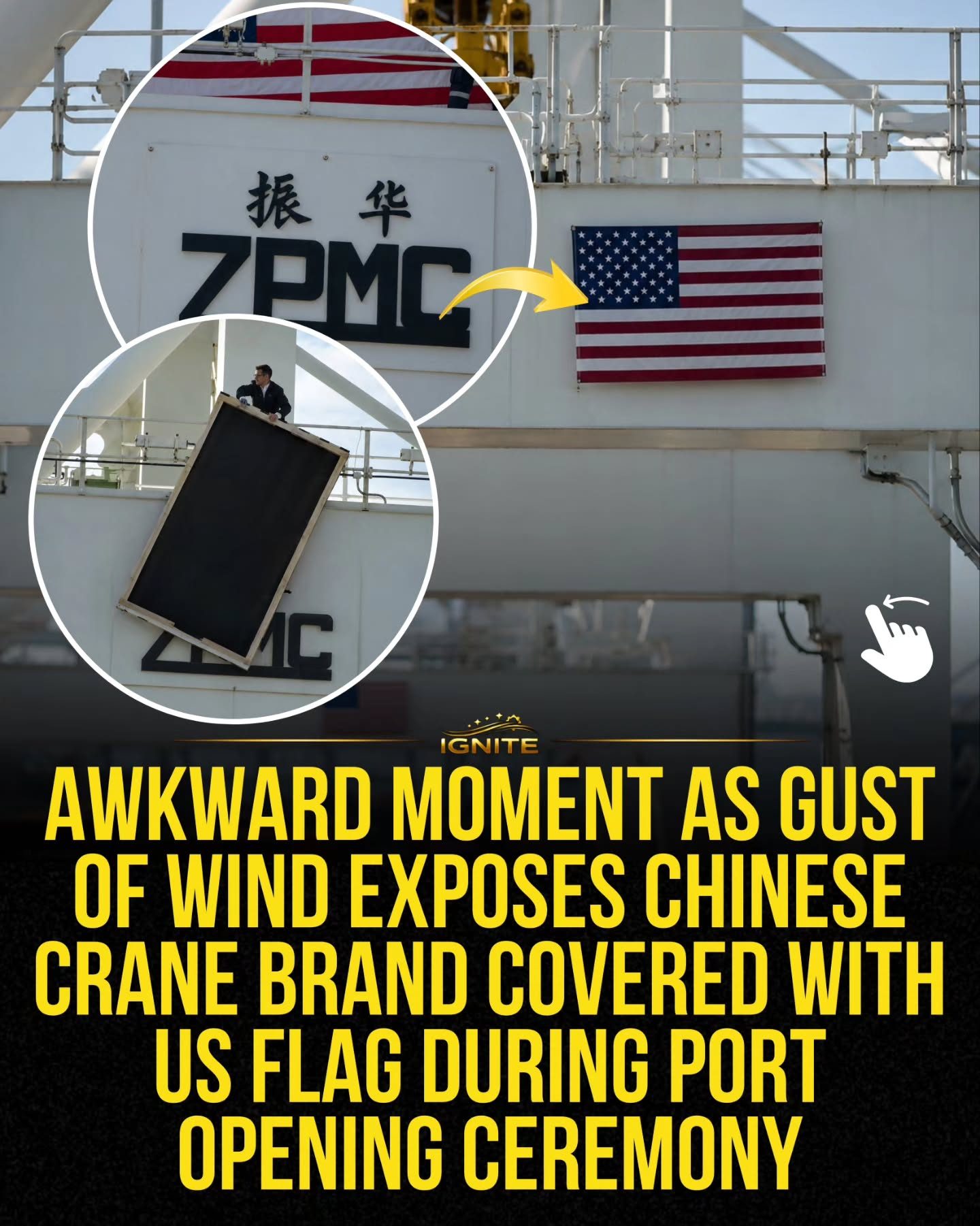
The abrupt exposure of a Chinese-made crane during an important port ceremony in 2013 has resurfaced in recent debates about infrastructure and port security. This incident, which occurred at the opening of PortMiami, highlighted the complexities of international relations and the role of foreign-made infrastructure in U.S. ports. The reveal of the ZPMC brand during the ceremony was captured on video and quickly went viral, sparking discussions about the transparency and security implications of using equipment from abroad.
Context
PortMiami, a critical gateway for international trade, underwent a significant expansion in 2013. The opening ceremony was a high-profile event, attended by President Barack Obama. The ceremony aimed to showcase the United States' commitment to modernizing its infrastructure and enhancing its global trade capabilities. However, an unexpected gust of wind blew away an American flag that had been used to cover the ZPMC crane, exposing the Chinese brand underneath. This sudden reveal generated considerable public interest and debate about the broader implications of relying on foreign-made equipment for critical infrastructure.
The Crane Industry
ZPMC, or Shanghai Zhenhua Heavy Industries, is one of the world's leading manufacturers of cranes and port handling equipment. The company has a global footprint, supplying cranes to more than 100 countries, including the United States. ZPMC's equipment is renowned for its efficiency, durability, and advanced technology, making it a popular choice for port operations worldwide. The company's cranes are designed to handle a wide range of cargo, from containers to bulk materials, and are known for their robust construction and high lifting capacities.
Exposure of the ZPMC Crane
During the 2013 opening ceremony of PortMiami, a large crane manufactured by ZPMC was centrally placed. The crane, initially covered with American flags, was intended to symbolize the U.S.'s infrastructure and technological prowess. However, a sudden gust of wind blew away the flags, revealing the ZPMC logo prominently displayed on the crane. This unexpected exposure of the Chinese brand caused considerable embarrassment and sparked discussions about the use of foreign-made infrastructure in U.S. ports.
The incident highlighted a few key issues:
National Security Concerns
The presence of foreign-made equipment in U.S. ports has raised concerns about national security and potential vulnerabilities. Critics argue that relying on equipment from other countries, particularly from those with differing geopolitical interests, could pose risks to national security. This incident brought these concerns to the forefront, prompting debates about the need for stricter regulations and oversight of foreign-made infrastructure.
Transparency and Public Perception
The incident also underscored the importance of transparency in public infrastructure projects. The attempt to conceal the Chinese origin of the crane was seen as disingenuous and sparked public outcry. The revelation highlighted the need for greater transparency in the procurement and deployment of infrastructure, especially when it involves foreign-made equipment.
Geopolitical Implications
The exposure of the ZPMC crane during a high-profile ceremony also had geopolitical implications. It brought to light the delicate balance between the need for efficient, cost-effective infrastructure and the geopolitical considerations that come with relying on foreign-made equipment. The incident served as a reminder of the complexities involved in international trade and infrastructure development.
Practical Tips for Port Infrastructure
Given the sensitivity of port infrastructure, several practical tips can help navigate the challenges of using foreign-made equipment:
Due Diligence
Conduct thorough due diligence when procuring equipment from foreign manufacturers. Ensure that the equipment meets all necessary safety and security standards. This includes evaluating the manufacturer's track record, regulatory compliance, and adherence to international standards.
Risk Assessment
Perform a comprehensive risk assessment to identify potential vulnerabilities associated with using foreign-made equipment. This assessment should consider factors such as national security, supply chain risks, and geopolitical considerations. Develop a risk management plan to mitigate any identified risks.
Transparency
Maintain transparency in the procurement and deployment of infrastructure. This includes being open about the origin and specifications of the equipment. Transparency builds public trust and ensures that stakeholders are aware of the equipment's provenance and potential risks.
Important Takeaways
The exposure of the ZPMC crane during the PortMiami opening ceremony offers several important takeaways:
Infrastructure and National Security
The incident underscores the importance of considering national security when procuring infrastructure. While efficiency and cost are crucial, national security should be a primary concern when selecting equipment, particularly for critical infrastructure such as ports.
Transparency in Procurement
Transparency is essential in public infrastructure projects. Concealing the origin of equipment can lead to public backlash and erode trust. Maintaining transparency ensures that stakeholders are informed and can make informed decisions.
Geopolitical Considerations
The use of foreign-made infrastructure involves geopolitical considerations. It is essential to balance the need for efficient, cost-effective equipment with the geopolitical implications of relying on foreign manufacturers. This includes considering the potential risks and benefits of using equipment from different countries.
Conclusion
The unexpected reveal of the ZPMC crane during the 2013 PortMiami opening ceremony serves as a reminder of the complexities involved in international trade and infrastructure development. The incident highlights the need for transparency, thorough due diligence, and a balanced approach to infrastructure procurement. As debates over infrastructure and port security continue, it is essential to consider the broader implications of using foreign-made equipment and to develop strategies to mitigate potential risks. By doing so, ports can ensure the efficient and secure operation of their infrastructure, while also addressing public concerns and geopolitical considerations.
Questions readers ask
What was the significance of the crane incident at PortMiami in 2013?
The crane incident at PortMiami in 2013 involved a gust of wind unveiling a Chinese-made crane during a high-profile port opening ceremony. This incident sparked debates about infrastructure transparency and the reliance on foreign-made equipment for critical infrastructure.
Why did the crane incident spark debates about port security?
The crane incident sparked debates about port security because it highlighted the use of foreign-made equipment in U.S. ports. This raised concerns about potential security risks and the transparency of infrastructure components, especially those from countries with different political interests.
What was the role of President Barack Obama in the 2013 PortMiami opening ceremony?
President Barack Obama attended the 2013 PortMiami opening ceremony, which aimed to showcase the United States' commitment to international trade. His presence added to the high-profile nature of the event, making the subsequent crane incident more notable.
What is the significance of the ZPMC brand in the context of this incident?
The ZPMC brand is significant because it is a Chinese company that manufactured the crane exposed during the PortMiami ceremony. The revelation of the ZPMC brand sparked discussions about the reliance on Chinese-made equipment in U.S. ports and the broader implications for infrastructure security.
How did the public react to the crane incident?
The public reaction to the crane incident was swift and widespread. The event was captured on video and quickly went viral, leading to extensive discussions and debates about the transparency and security implications of using foreign-made equipment in critical infrastructure.
What are the potential security risks associated with using foreign-made equipment in ports?
Potential security risks include the possibility of hidden vulnerabilities or backdoors that could be exploited, as well as concerns about supply chain integrity and the political motivations behind the manufacturing country. These risks are particularly relevant in the context of ports, which are critical hubs for international trade and national security.
Recent articles
Fresh deep dives from the latest Reels we unpacked.




Comments
Be the first to comment.