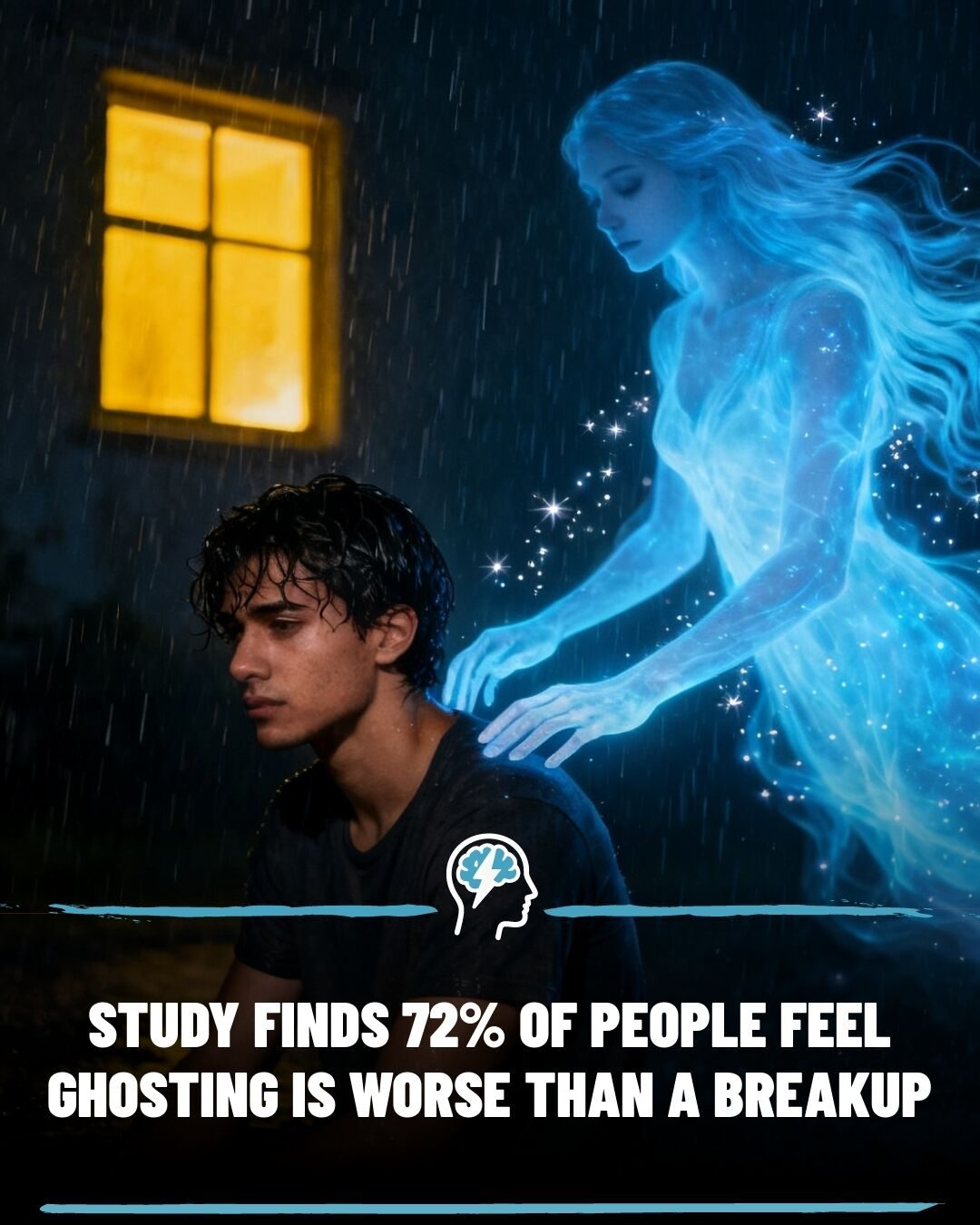
Ghosting: The Neuroscience Behind the Pain
Ghosting, the phenomenon where someone suddenly disappears from your life without explanation, is more than just an emotional disappointment. It can trigger a form of grief known as "ambiguous loss," a complicated and often prolonged emotional state that occurs when you never get closure about why a relationship ended. This type of loss can be as painful as physical injury, and neuroscience helps explain why.
Why This Matters
Understanding the neurological and psychological impacts of ghosting can help individuals navigate the emotional turmoil that often follows. By recognizing the science behind the pain, people can better support themselves and others through the healing process.
The Neuroscience of Rejection
Social Exclusion and Physical Pain
Research by Eisenberger and colleagues has revealed that social exclusion activates the same neural regions involved in processing physical injury. This means that your brain literally interprets rejection as pain. The areas of the brain that light up during physical discomfort, such as the dorsal anterior cingulate cortex and the anterior insula, are also activated when you experience social exclusion.
Ambiguous Loss and Unresolved Grief
Ghosting creates a unique form of grief called "ambiguous loss." Unlike a clear breakup, where both parties acknowledge the end of the relationship, ghosting leaves one person in limbo. This lack of closure can lead to a prolonged state of grief, as your mind keeps searching for answers that may never come.
Without closure, your brain remains in a state of unresolved questions, creating an ongoing loop of confusion and anxiety. This can be particularly challenging for individuals who have experienced similar losses before, as it may exacerbate existing emotional vulnerabilities.
The Emotional and Psychological Toll
Increased Anxiety and Confusion
Multiple studies have linked ghosting to increased anxiety, confusion, and drops in self-esteem. The brain is wired to seek connection and understanding, so when that door stays half open, it creates an emotional and psychological tug-of-war that can be difficult to break. Ghosting can feel more distressing than direct rejection because, at least with a clear ending, your brain can process what happened and begin moving forward.
Individual Responses and Resilience
It's important to note that results can vary by individual. Some people recover quickly, while others may struggle longer, especially if they have experienced similar losses before. Your attachment style, support system, and personal history all play a role in how deeply this affects you. For instance, those with secure attachment styles may find it easier to cope with the emotional fallout, while individuals with anxious or avoidant attachment styles may experience more significant distress.
Practical Tips for Coping with Ghosting
Acceptance and Self-Compassion
If you have been ghosted, it's essential to recognize that the pain you feel is real and validated by neuroscience. Healing is also possible. Research supports focusing on acceptance and self-compassion rather than chasing answers you may never receive. Accept that the relationship has ended, even if you don't understand why, and practice self-care as you navigate the healing process.
Create Your Own Closure
Closure does not have to come from the other person. You can create it yourself through reflection, support from loved ones, and giving yourself permission to move on without understanding why. Engage in activities that bring you joy and surround yourself with a supportive community. This can help you find closure and begin the healing process.
Mindset and Perspective Shifts
The brain is doing exactly what it evolved to do. Adaptive strategies can be learned to mitigate the pain, such as focusing on self-love and self-awareness. Engage in mindfulness practices, journaling, or therapy to help process your emotions and develop a healthier mindset.
Seek Professional Help
Therapy can be an invaluable resource for those struggling with the effects of ghosting. A mental health professional can provide you with coping strategies, emotional support, and a safe space to process your feelings.
Important Takeaways
Ghosting triggers a unique form of grief known as "ambiguous loss," which can be as painful as physical injury. The emotional and psychological toll of ghosting can lead to increased anxiety, confusion, and drops in self-esteem. Recognizing the science behind the pain can help individuals navigate and heal from the experience.
Healing from ghosting involves acceptance, self-compassion, and creating your own closure. Focus on acceptance and self-care, and don't hesitate to seek professional help if needed. The pain you feel is real, but healing is possible. Finding a support system and practicing self-care are critical steps in the healing process.
Conclusion
Ghosting is a complex and painful experience that affects many people. It is more than just an emotional disappointment; it can trigger a form of grief that leaves individuals in a constant state of confusion and anxiety. Understanding the neuroscience behind the pain can help you navigate the healing process and find closure.
Questions readers ask
What exactly is ghosting and why is it so harmful?
Ghosting is when someone you've been in contact with suddenly disappears without a trace or explanation. It's harmful because it leaves you in a state of ambiguous loss, where you don’t understand what happened, causing prolonged confusion, anxiety, and emotional pain. This uncertainty can make it much harder to process and move on from the relationship.
How does ghosting compare to a typical breakup?
Unlike a typical breakup, ghosting leaves you without any closure or explanation, which can be more emotionally damaging. With a breakup, you usually have a conversation or some form of communication that signals the end of the relationship. Ghosting, on the other hand, leaves you with unanswered questions and a lack of resolution, making the emotional recovery process much longer and harder.
What are the neurological impacts of being ghosted?
Ghosting can activate the same pain pathways in the brain as physical injury, leading to intense emotional distress. This response is due to how our brains process social rejection and exclusion, making the pain of ghosting very real and significant. Understanding the neuroscience behind this can help individuals better manage their emotional responses and seek appropriate support.
Why do people ghost others in relationships?
People may ghost others due to a variety of reasons, such as avoiding confrontation, fear of hurting the other person, or simply not knowing how to end the relationship. Some people may also ghost because they lack the emotional maturity to handle difficult conversations, or they may be avoiding their own feelings of guilt or discomfort. However, ghosting is often a coping mechanism that ends up causing more harm to the person being ghosted.
What are some effective strategies to cope with being ghosted?
Coping with being ghosted involves acknowledging your feelings and seeking support from friends, family, or a therapist. Engaging in activities you enjoy and focusing on self-care can also help. Remember that it’s okay to grieve and to take time to heal. Try to avoid blaming yourself, as the behavior of the person who ghosted you is not a reflection of your worth.
How can understanding the science behind ghosting help in the healing process?
Understanding the science behind ghosting can provide a sense of validation and reassurance that your feelings are real and justified. This knowledge can help you to recognize that the pain you’re experiencing is not just emotional but also neurological, making it easier to acknowledge and process. By understanding the mechanisms at play, you can take proactive steps to support your emotional well-being and work towards healing.
What are the long-term effects of being ghosted?
The long-term effects of being ghosted can include prolonged anxiety, depression, and a general lack of trust in future relationships. The ambiguity surrounding the situation can make it difficult to heal completely, as you are left with unanswered questions and a sense of unresolved grief. Recognizing these potential long-term effects can motivate individuals to seek support and engage in intentional healing practices.
Recent articles
Fresh deep dives from the latest Reels we unpacked.




Comments
Be the first to comment.