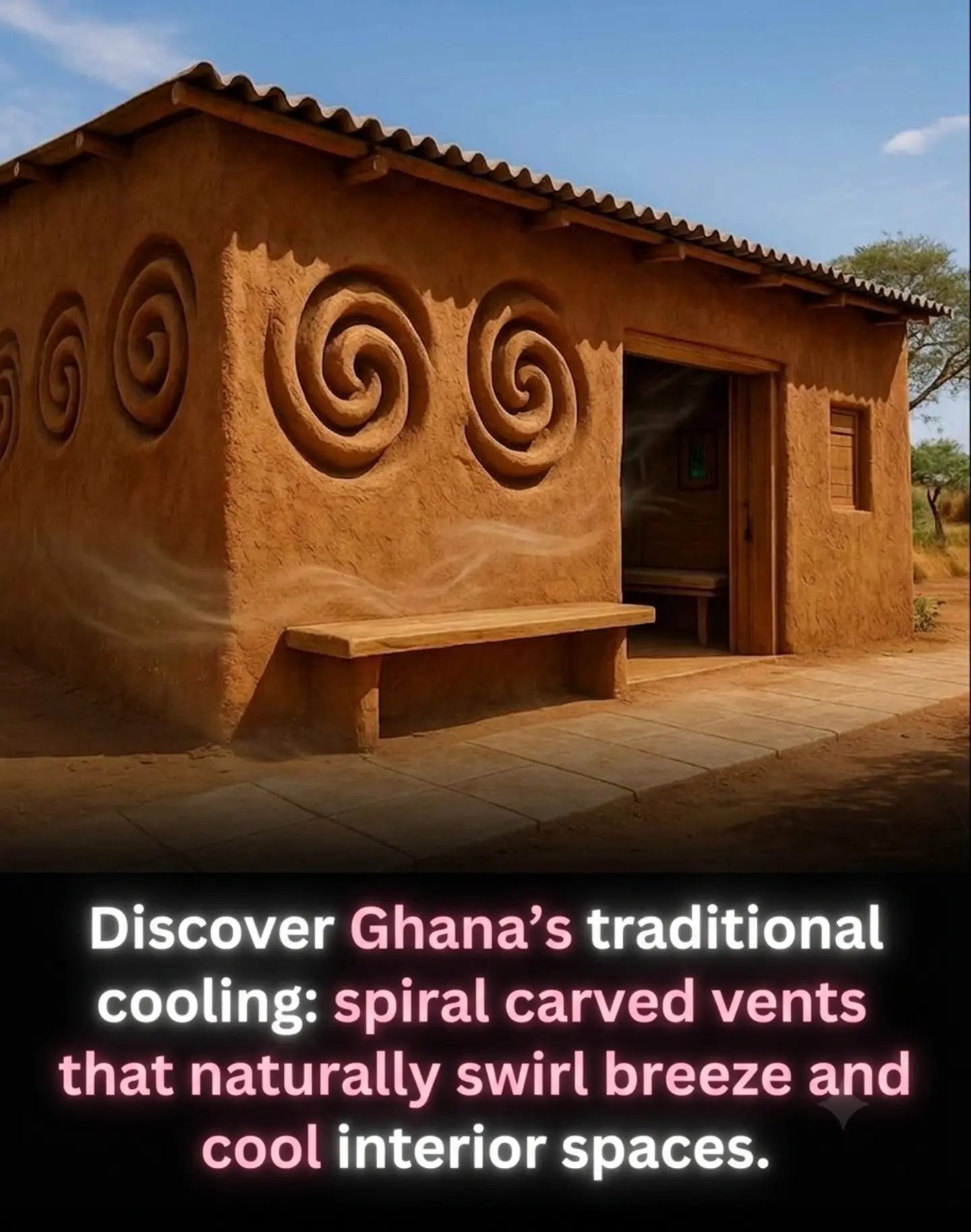
Traditional Ghanaian Architecture: A Sustainable Cooling Solution
Traditional Ghanaian architecture offers a unique and sustainable approach to cooling buildings, utilizing natural elements to maintain comfortable indoor temperatures without relying on modern, energy-intensive air conditioning systems.
Context / Why This Matters
In a world where energy consumption and carbon emissions are significant concerns, exploring sustainable cooling methods is crucial. Traditional Ghanaian architecture provides a remarkable example of how ancient building techniques can offer effective, eco-friendly solutions. By understanding and integrating these principles into modern construction, we can reduce our reliance on high-tech HVAC systems and promote more sustainable living.
Main Discussion
Natural Cooling through Mud Walls
One of the key features of traditional Ghanaian architecture is the use of mud walls, also known as thermal mass. These thick earth walls absorb the day's heat, acting like a giant sponge. During the day, the walls soak up the heat, preventing it from entering the interior spaces. At night, the heat is gradually released, keeping the inside cool and comfortable.
The Function of Spiral Carved Vents
Another ingenious aspect of these buildings is the use of spiral carved vents. These vents are not just decorative; they serve a functional purpose by creating vortexes that swirl and accelerate the breeze naturally. This natural cooling system ensures a steady flow of air through the building, effectively cooling the interior spaces without the need for electricity or mechanical systems.
Utilizing Zero-Energy Cross-Ventilation
The design of traditional Ghanaian buildings incorporates zero-energy cross-ventilation. This technique relies on natural pressure differences to pull cool air through the house and push hot air out. By strategically placing vents and windows, the building can capitalize on wind patterns and thermal differences to maintain a comfortable indoor temperature.
Practical Tips
Building with Mud Walls
When constructing or renovating buildings, consider using mud walls or other thermal mass materials. These materials can help regulate indoor temperatures by absorbing and releasing heat gradually, reducing the need for artificial cooling.
Incorporating Natural Vents
Designing buildings with natural vents, such as the spiral carved vents seen in traditional Ghanaian architecture, can improve airflow and cooling. Position these vents strategically to maximize the natural swirling and acceleration of breezes, ensuring effective ventilation.
Implementing Cross-Ventilation
Cross-ventilation is a simple yet effective method for cooling a building. Place windows and vents on opposite sides to allow for proper airflow. Utilize natural pressure differences to pull in cool air and expel hot air, reducing the need for energy-consuming cooling systems.
Choosing the Right Materials
Select building materials that have high thermal mass properties. Materials like earth, concrete, and brick can absorb and release heat, helping to maintain stable indoor temperatures. Opt for these materials, especially in climates with significant temperature fluctuations.
Important Takeaways
Traditional Ghanaian architecture showcases a sustainable and eco-friendly approach to cooling buildings. By using mud walls, spiral carved vents, and zero-energy cross-ventilation, these buildings demonstrate how natural elements can be harnessed to maintain comfortable indoor temperatures without relying on modern HVAC systems.
This ancient technology provides valuable insights into sustainable living and serves as a reminder that traditional knowledge can play a crucial role in addressing modern challenges. Integrating these principles into contemporary construction can help reduce energy consumption and promote a more harmonious relationship with the environment.
Conclusion
Exploring traditional Ghanaian architecture reveals a wealth of sustainable cooling techniques that can inspire modern building practices. By understanding and applying these principles, we can create more energy-efficient and eco-friendly buildings. Whether through the use of mud walls, spiral carved vents, or cross-ventilation, these techniques offer practical solutions for reducing our carbon footprint and promoting sustainable living.
Questions readers ask
How do mud walls contribute to natural cooling in Ghanaian architecture?
Mud walls in Ghanaian architecture help to regulate indoor temperatures by absorbing heat during the day and releasing it at night. This thermal mass effect keeps buildings cooler during hot periods, reducing the need for artificial cooling. Additionally, mud is an eco-friendly and locally available material, making it a sustainable choice for construction.
What are spiral vents and how do they aid in cooling Ghanaian buildings?
Spiral vents are a distinctive feature of Ghanaian design that facilitate natural airflow and cooling. They are designed to catch and direct breezes into the building, enhancing ventilation and reducing indoor temperatures. By promoting air circulation, these vents help maintain a comfortable living environment without the need for mechanical cooling systems.
Can the principles of Ghanaian architecture be applied to modern buildings?
Yes, the principles of Ghanaian architecture can be integrated into modern construction to promote sustainability. Incorporating natural cooling techniques such as mud walls, spiral vents, and thoughtful orientation can reduce the reliance on energy-intensive HVAC systems in contemporary buildings, promoting eco-friendly living.
What are the benefits of using earth architecture in hot climates like Ghana?
Earth architecture in hot climates offers several benefits, including natural temperature regulation and energy efficiency. Materials like mud and earth have thermal mass properties, helping to keep buildings cool in the day and warm at night. Additionally, they are often locally sourced, reducing the carbon footprint associated with transportation and production.
How does natural breeze cooling work in Ghanaian buildings?
Natural breeze cooling in Ghanaian buildings is achieved through strategic design elements such as spiral vents and open courtyards. These features allow for the efficient flow of air, creating a cooling effect. By harnessing natural breezes, buildings can remain comfortable without the need for mechanical cooling, reducing energy consumption and environmental impact.
What role do sustainable building materials play in Ghanaian architecture?
Sustainable building materials, such as mud and locally sourced wood, are integral to Ghanaian architecture. These materials are not only eco-friendly but also contribute to the thermal efficiency of buildings. By using materials that have a low environmental impact, Ghanaian architecture demonstrates a commitment to sustainability and a harmonious relationship with the natural environment.
Related deep dives
Similar reads based on topic and creator.

Recent articles
Fresh deep dives from the latest Reels we unpacked.




Comments
Be the first to comment.