Service Dogs and Their Bond with Toys
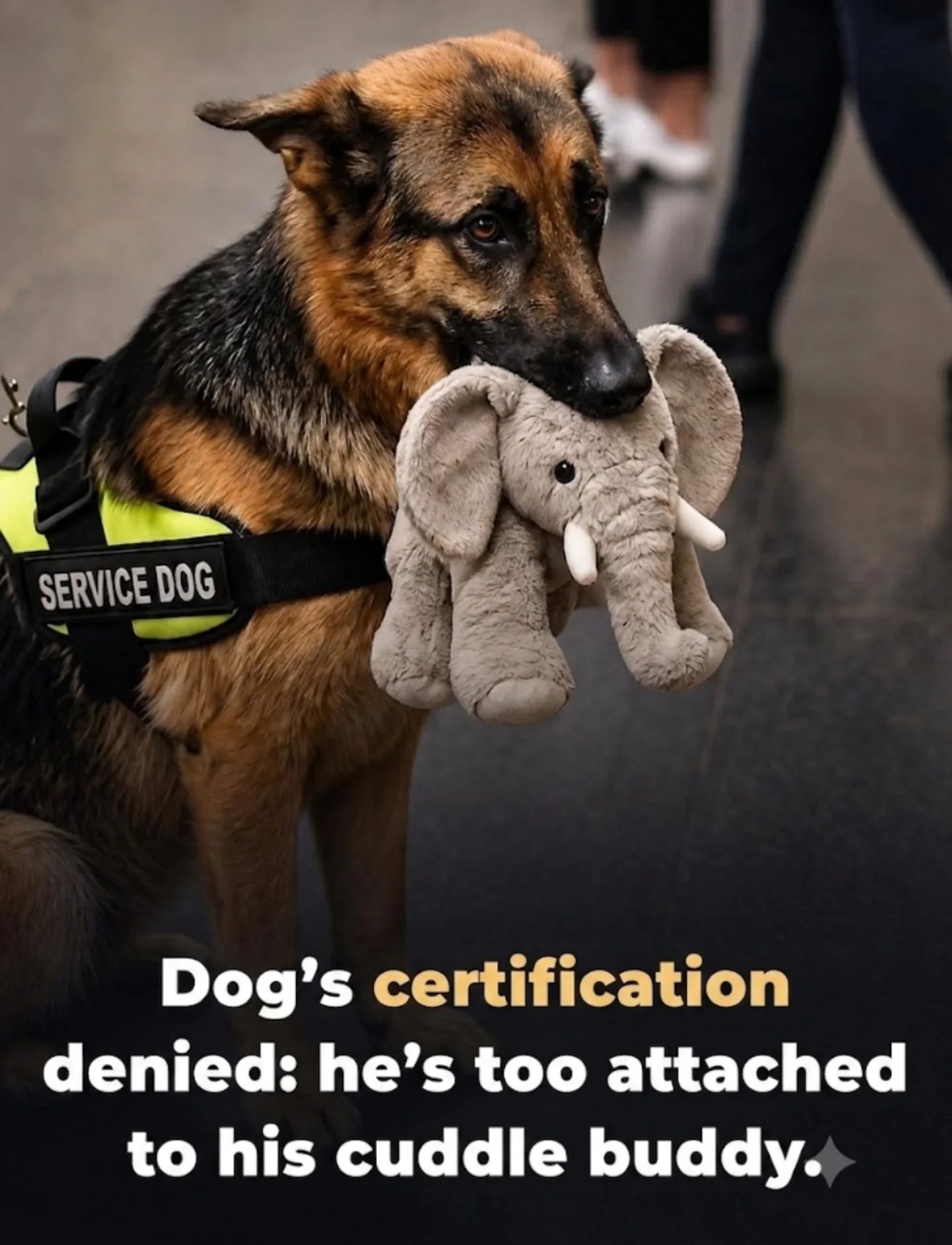
German Shepherds are renowned for their intelligence, loyalty, and versatility, making them ideal candidates for service dog roles. These canines undergo rigorous training to assist individuals with disabilities, providing invaluable support in daily life. However, the journey to becoming a certified service dog is fraught with challenges, as highlighted by the story of Cadet Ryker, a German Shepherd who faced an unexpected dilemma during his final certification exam.
Why This Matters
The bond between a service dog and its handler is crucial for effective assistance. This relationship is built on trust, mutual respect, and a deep understanding of each other's needs. However, the process of becoming a certified service dog involves rigorous training and evaluation, ensuring that the dog can perform its duties reliably and safely. This process can be demanding, both physically and emotionally, for the dog and the trainer.
The Challenge of Emotional Attachment
Service dogs are trained to focus on their tasks, often ignoring distractions and maintaining a professional demeanor. However, dogs are also social animals with the capacity for strong emotional attachments. In Ryker's case, his attachment to a plush toy presented a significant challenge. The toy, a plush elephant, served as more than just a plaything; it was a source of comfort and security in an otherwise demanding environment. This emotional attachment, while natural, conflicted with the rigorous standards required for certification.
The Final Exam: A Crucial Moment
The final exam for service dogs is designed to test their ability to perform under pressure. For Ryker, this meant facing a scenario where he had to choose between his duty and his emotional attachment. The proctor's command, "Drop it", presented a moral dilemma. On one hand, obeying the command would mean adhering to the rules and expectations of a service dog. On the other, holding onto the toy represented his emotional bond and comfort.
The Decision: Love vs. Duty
In a poignant moment, Ryker chose to hold onto his plush toy, defying the command. This act, while heartwarming, had significant consequences. The decision resulted in Ryker's certification being denied, as his attachment to the toy compromised his ability to perform his duties effectively. This outcome underscores the complexity of balancing the emotional needs of a service dog with the practical requirements of the role.
Practical Tips for Service Dog Trainers
Understanding Emotional Needs
Trainer must recognize the emotional needs of service dogs. While it's crucial to maintain a professional demeanor, acknowledging and addressing the emotional attachments of these dogs can enhance their overall well-being and performance.
Balancing Emotion and Duty
Finding a balance between emotional attachment and duty is essential. Training programs should incorporate strategies to help dogs manage their attachments without compromising their professional responsibilities. This could include gradual exposure to distractions and positive reinforcement for focusing on tasks.
The Role of Toys in Training
Toys can play a valuable role in the training process. They can serve as rewards and motivation for the dog, but they should also be used strategically to reinforce focus and discipline. Trainers should be mindful of the emotional significance these toys hold for the dogs and ensure they don't become a hindrance to training.
Important Takeaways
The story of Cadet Ryker offers several important takeaways for anyone involved in service dog training:
- Emotional Attachments Matter: Service dogs, like all animals, have emotional needs that must be acknowledged and addressed.
- Balancing Act: Balancing emotional attachment with professional duty is a challenging but necessary part of training.
- The Importance of Toys: Toys can be powerful tools in training, but their use should be carefully managed to avoid compromising the dog's focus and performance.
- Certification Challenges: The process of becoming a certified service dog is rigorous and demanding, requiring both physical and emotional resilience.
Conclusion
The tale of Cadet Ryker and his plush toy highlights the intricate balance between emotion and duty in the training of service dogs. While emotional attachments are natural, they must be managed to ensure the dog can fulfill its role effectively. This involves a careful approach to training, understanding the emotional needs of the dog, and using toys strategically to enhance, rather than hinder, the training process. For trainers and handlers, the key is to foster a deep bond of trust and mutual respect, enabling the dog to provide invaluable assistance while maintaining its emotional well-being.
Questions readers ask
Why are German Shepherds commonly chosen for service dog roles?
German Shepherds are chosen for service dog roles due to their high intelligence, loyalty, and adaptability. These traits enable them to learn and retain complex commands, making them excellent candidates for assisting individuals with various needs.
What challenges can emotional attachments pose during German Shepherd training?
Emotional attachments can complicate German Shepherd training, as seen with Cadet Ryker. These attachments can sometimes distract the dog from its duties, potentially leading to denied certification or difficulties in performing tasks reliably.
How does a service dog's bond with its handler benefit both parties?
A strong bond between a service dog and its handler enhances communication and trust, allowing the dog to anticipate and respond to the handler's needs more effectively. This mutual understanding is crucial for the dog's ability to provide reliable assistance.
What role do plush toys play in the life of a service dog like Cadet Ryker?
Plush toys can serve as comfort objects for service dogs, helping them cope with stress or anxiety. However, as seen with Cadet Ryker, an over-attachment to such toys can interfere with a dog's focus during training and certification exams, potentially impacting their ability to perform duties effectively.
What is the significance of the final certification exam in a service dog's training?
The final certification exam is a rigorous assessment that evaluates a service dog's ability to perform tasks reliably in real-world scenarios. This exam is crucial as it determines whether the dog is ready to provide consistent and effective support to its handler.
How can trainers address emotional attachments that may hinder a German Shepherd's service dog training?
Trainers can address emotional attachments by gradually reducing the dog's reliance on comfort objects and reinforcing positive behaviors that align with service dog duties. This process helps the dog focus on its tasks while still providing emotional support to the handler.
What can be learned from the story of Cadet Ryker about service dog training?
Cadet Ryker's story illustrates the importance of balancing a service dog's emotional needs with its duty requirements. It highlights the need for trainers to be attentive to a dog's attachments and to implement strategies that ensure the dog can perform its tasks effectively without compromising its emotional well-being.
Related deep dives
Similar reads based on topic and creator.



Recent articles
Fresh deep dives from the latest Reels we unpacked.




Comments
Be the first to comment.