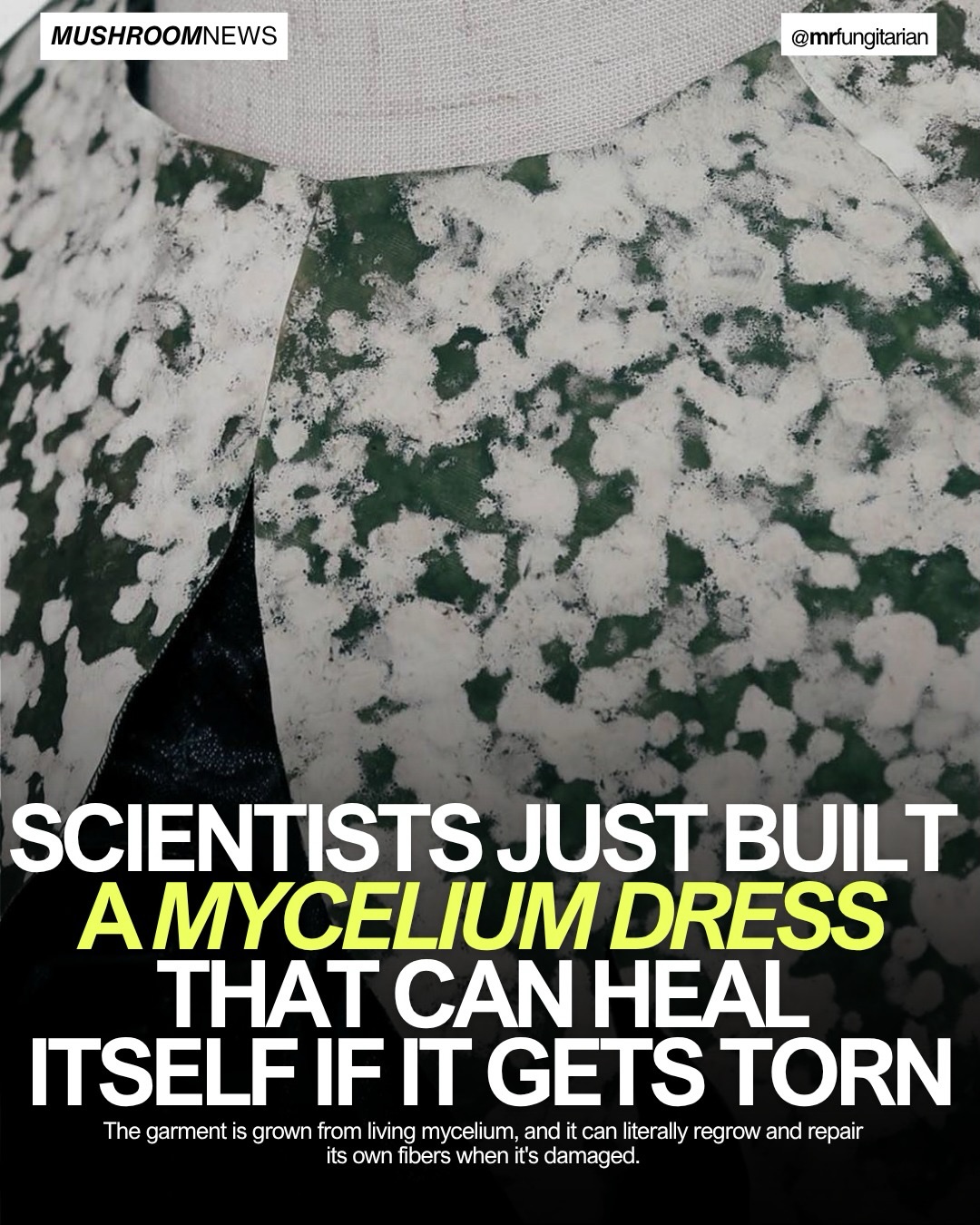
Mycelium Dress: The Future of Sustainable Fashion
Sustainable fashion has been a growing trend, but recent innovations are taking it to a new level. Mycelium, a living material derived from fungi, is being used to create self-healing textiles — including a remarkable dress that can repair itself when damaged. This groundbreaking development addresses the environmental impact of fast fashion and offers a glimpse into the future of sustainable textiles.
Why This Matters
The fashion industry is one of the world's most polluting sectors, contributing significantly to textile waste and environmental degradation. Traditional textiles often rely on synthetic materials that are not biodegradable and contribute to landfill waste. Mycelium-based materials, on the other hand, are biodegradable and can help reduce the environmental footprint of the textile industry. This innovative approach to fashion addresses the urgent need for sustainable practices in a sector that is traditionally resource-intensive.
The Innovative Technology Behind Mycelium Dresses
The Science of Mycelium
Mycelium is the vegetative part of a fungus, consisting of a network of fine white filaments called hyphae. These hyphae can grow and interconnect, forming a strong and flexible material. When used in textiles, mycelium can be manipulated to create fabrics that are not only durable but also capable of self-repair.
Self-healing textiles are not a new concept, but mycelium-based fabrics offer a unique advantage. Traditional self-healing materials often rely on synthetic polymers or other chemical processes, which can be environmentally harmful. Mycelium, being a natural and organic material, provides a sustainable alternative that can heal itself without the need for additional chemicals or energy-intensive processes.
How the Dress Heals Itself
The self-healing property of the mycelium dress is one of its most impressive features. When the fabric is torn, the living mycelium fibers can grow back together, effectively repairing the damage. This regenerative capability is due to the natural growth and regeneration processes of fungi, which can adapt and repair themselves in response to damage. In this way, the dress not only addresses the issue of wear and tear but also extends its lifespan, reducing the need for frequent replacement.
Combating Fast Fashion
Self-healing textiles are a pivotal innovation in the fight against fast fashion. The fast-fashion industry is notorious for its rapid production cycles, which lead to excessive waste and environmental degradation. By creating textiles that can heal and last longer, mycelium-based materials challenge the traditional fast-fashion model.
Reducing Waste
One of the most significant issues with fast fashion is the sheer volume of waste it generates. Clothing items are often discarded after a single season, contributing to landfills and environmental pollution. Mycelium-based textiles, with their self-healing properties, can significantly reduce this waste. By extending the lifespan of clothing, these materials help to minimize the need for frequent replacements, thereby reducing textile waste.
A Sustainable Alternative
Mycelium-based textiles also offer a more sustainable alternative to traditional materials. Traditional textiles, especially those made from synthetic fibers, are often produced through energy-intensive processes that contribute to greenhouse gas emissions. Mycelium, being a natural and biodegradable material, can be produced with lower environmental impact. This makes it an attractive option for sustainable fashion brands looking to reduce their carbon footprint.
Practical Tips for Incorporating Mycelium Textiles into Your Wardrobe
While mycelium-based textiles are still in the early stages of development, there are several ways you can incorporate sustainable fashion practices into your wardrobe. Here are some practical tips to help you get started:
-
Invest in Durable Pieces: Opt for clothing made from durable materials that are designed to last. High-quality, long-lasting garments can reduce the need for frequent replacements and help minimize textile waste.
-
Choose Natural Fibers: Whenever possible, choose clothing made from natural fibers such as cotton, linen, or wool. These materials are generally more sustainable and environmentally friendly than synthetic fibers.
-
Support Sustainable Brands: Look for brands that prioritize sustainability in their production processes. Many brands are now focusing on eco-friendly materials and ethical manufacturing practices, making it easier to find sustainable fashion options.
-
Repair and Reuse: Instead of discarding damaged clothing, consider repairing it or repurposing it into something new. This not only reduces waste but also encourages a more sustainable approach to fashion.
-
Explore Mycelium-Based Products: As the technology behind mycelium-based textiles continues to advance, more products are becoming available. Stay informed about new developments in sustainable fashion and consider incorporating mycelium-based items into your wardrobe when they become widely accessible.
Important Takeaways
The introduction of mycelium-based textiles, such as the self-healing dress, represents a significant step forward in sustainable fashion. By leveraging the natural properties of fungi, these materials offer a durable, biodegradable alternative to traditional textiles. This innovation not only reduces the environmental impact of the fashion industry but also challenges the fast-fashion model, paving the way for a more sustainable future.
Conclusion
Mycelium-based textiles, including the remarkable self-healing dress, are at the forefront of sustainable fashion. By harnessing the regenerative capabilities of fungi, these materials provide a durable, eco-friendly alternative to traditional textiles. This innovation addresses the urgent need to reduce textile waste and environmental degradation, offering a promising solution in the fight against fast fashion. As more advancements are made in this field, it is essential to stay informed and support brands that prioritize sustainability, ensuring a cleaner, greener future for the fashion industry.
Questions readers ask
What exactly is mycelium and how is it used in fashion?
Mycelium is the vegetative part of fungi, consisting of a network of fine white threads. In fashion, it is used to create innovative textiles that are both sustainable and functional. These materials are grown from living fungi and can be molded into various shapes, including dresses that offer unique properties like self-repair and biodegradability.
How do mycelium dresses repair themselves?
Mycelium dresses possess self-repairing capabilities due to the natural properties of the living fungi from which they are made. When the material is damaged, the fungi can grow and interconnect, effectively repairing the tear or hole over time.
Are there other benefits to wearing mycelium clothing beyond sustainability?
Yes, mycelium clothing offers more than just eco-friendly advantages. These garments are also hypoallergenic and antimicrobial, making them a healthier choice for some wearers. Additionally, the unique textures and forms created by mycelium can add an innovative and distinctive touch to fashion design.
What makes mycelium a better alternative to traditional textiles?
Mycelium is a better alternative to traditional textiles because it is biodegradable and can reduce textile waste. Traditional textiles often rely on synthetic materials that contribute to environmental pollution, whereas mycelium-based materials naturally decompose, leaving behind minimal impact on the environment.
Can mycelium dresses be cleaned and maintained like regular clothing?
Caring for mycelium dresses requires a different approach compared to regular clothing. Since they are made from living fungi, excessive heat, water, and harsh chemicals can damage the material. Gentle cleaning methods and avoiding machine washing are recommended to maintain the integrity and longevity of the dress.
How does the fashion industry benefit from incorporating mycelium-based materials?
By incorporating mycelium-based materials, the fashion industry can significantly reduce its environmental footprint. These materials offer a sustainable alternative to fast fashion, helping to mitigate the industry's contribution to pollution and waste. Additionally, the unique properties of mycelium can inspire innovative design and promote a more eco-conscious approach to fashion.
Where can I find more information about innovative sustainable fashion designs like mycelium dresses?
For more information about innovative sustainable fashion designs, including mycelium dresses, you can explore fashion blogs, magazines, and websites that focus on eco-friendly fashion. Platforms like Dezeen and other sustainable fashion resources often feature the latest trends and breakthroughs in the field, offering insights into the future of sustainable textiles and design.
Related deep dives
Similar reads based on topic and creator.

Recent articles
Fresh deep dives from the latest Reels we unpacked.

Comments
Be the first to comment.