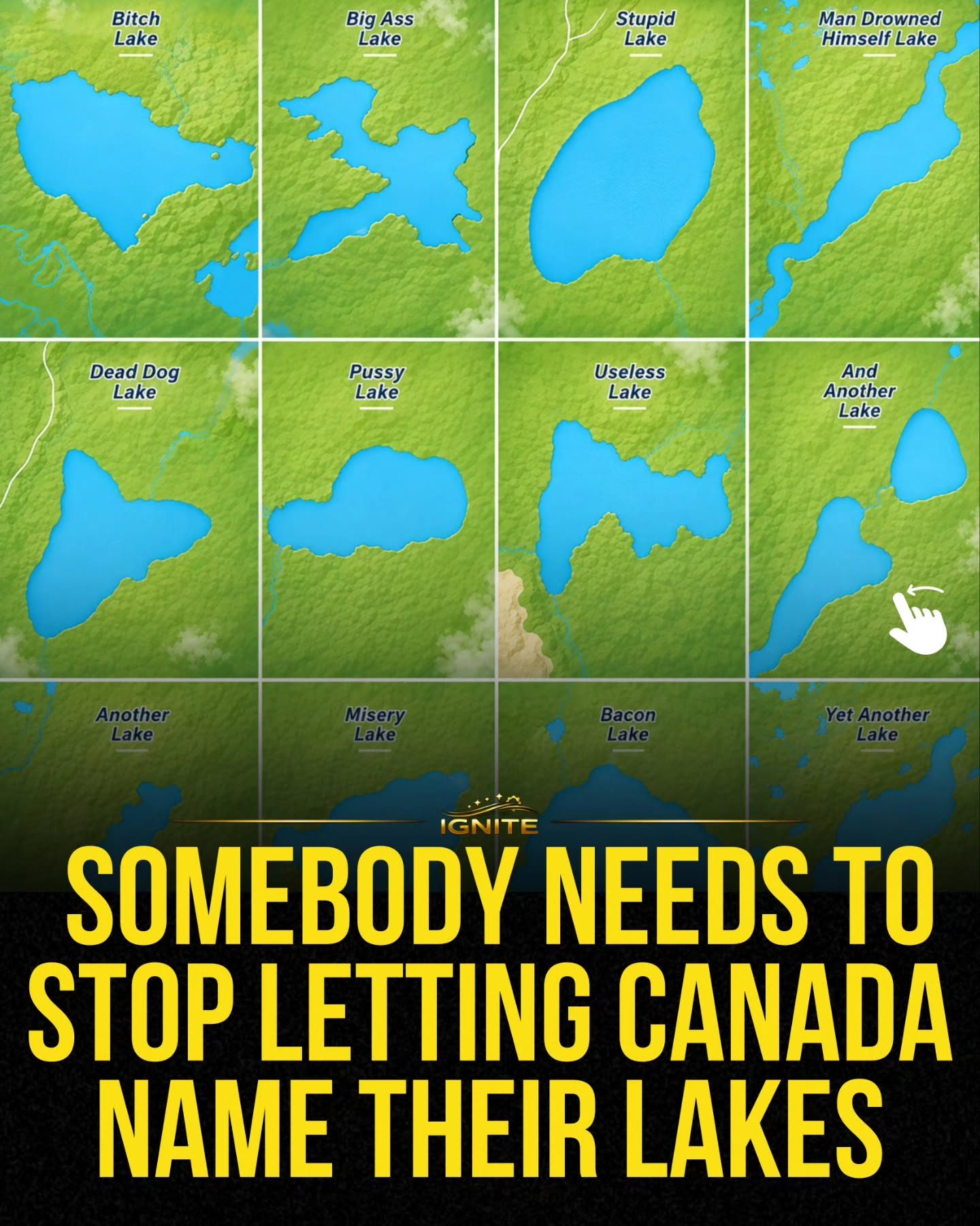
Canada's Lake Names: From Outrageous to Meaningful
Canada is famous for its multitude of lakes, with over two million bodies of water scattered across the country. When you dive into the names of these lakes, it quickly becomes clear that there is a range of creativity, humor, and cultural significance behind them.
Why This Matters
The naming of Canadian lakes isn't just a whimsical endeavor. It’s a reflection of the country's history, culture, and even its sense of humor. Whether you're a native or a visitor, these names can give you a glimpse into the human side of Canada's natural landscape. Some names, like Dead Dog Lake, might initially seem absurd. But upon closer examination, they can often tell a story or have a deeper significance.
The Humor in Lake Names
Many of Canada's lakes have names that are just plain funny. Names like Wrong Lake, This Lake, That Lake, and The Other Lake sound like someone was naming them on a busy Monday morning. But this humorous naming convention isn't just a sign of creative exhaustion. It also serves to highlight the vastness and diversity of the country's natural beauty.
The reel showcases a series of provocative lake names: Bitch Lake, Big Ass Lake, Stupid Lake, Man Drowned Himself Lake, and even Pussy Lake. While these names are funny, they also highlight the freedom and absurdity that sometimes comes with naming conventions. Some of the more absurd names like Bacon Lake and Misery Lake add another layer of intrigue. These names can often be traced back to a specific event or local legend, providing a deeper context to the geography of Canada.
The Cultural Significance
While many lake names are amusing and playful, some carry significant cultural and historical meanings. For instance, Manitoba’s Pekwachnamaykoskwaskwaypinwanik Lake is the longest official place name in Canada. This name is derived from the Cree language and translates to "where the wild trout are caught by fishing with hooks." Such names reflect the rich cultural heritage and the Indigenous languages of Canada, preserving history and tradition.
These names are often rooted in Indigenous languages and hold significant cultural value. They provide a connection to the past, to the Indigenous communities, and to the natural world. Exploring these names can be both a fun and enlightening journey, offering a new perspective on the natural world and the stories it holds.
The Process of Naming Lakes
The process of naming lakes in Canada is a blend of government regulation and local input. While some names might seem random or even offensive, they often have a deeper meaning or a historical context. Local communities, geographers, and historians are involved in naming lakes, ensuring that the names reflect both the natural landscape and the cultural heritage.
The names that initially seem absurd can often be traced back to specific events or local legends. For example, Dead Dog Lake might have been named after a tragic event, while Wrong Lake could have been a misunderstanding or a mispronunciation. The naming process is a combination of humor, history, and cultural significance, reflecting the diverse and rich heritage of Canada.
Practical Tips: Exploring Lake Names
When exploring lake names in Canada, there are a few practical tips to keep in mind:
- Research Historical Context: Many lake names have a historical context, so doing a bit of research can provide insight into the origins and significance of the names.
- Map Out Your Route: Use a map to plan your journey and explore the various names, especially if you are interested in the Indigenous significance of these names.
- Engage with Locals: Locals often have stories and legends related to the lake names. Engaging with them can provide a deeper understanding and a more enriching experience.
- Go Beyond the Names: The names are just a starting point. Exploring the natural wonders that surround these lakes can be an equally fulfilling experience.
- Respect Cultural Significance: Many lake names have cultural and historical significance. It's important to approach these names with respect and sensitivity.
Important Takeaways
- Cultural Richness: Some lake names have a deep cultural and historical significance, often rooted in Indigenous languages and traditions.
- Diversity & Humor: The humor in lake names highlights the diversity and creativity of Canadian naming conventions.
- Exploration: Exploring these names can provide a rich experience, from understanding the cultural heritage to appreciating the natural beauty.
Conclusion
Canada's lakes are a testament to the country's natural beauty and cultural richness. The names of these lakes, whether humorous or historically significant, add layers of depth and meaning to the landscape. From the absurd to the meaningful, the naming conventions of Canadian lakes offer a unique insight into the country's heritage and humor.
The next time you visit or explore Canada, take a moment to appreciate the names of the lakes around you. They might just tell you a story or two.
Related deep dives
Similar reads based on topic and creator.




Recent articles
Fresh deep dives from the latest Reels we unpacked.



Comments
Be the first to comment.