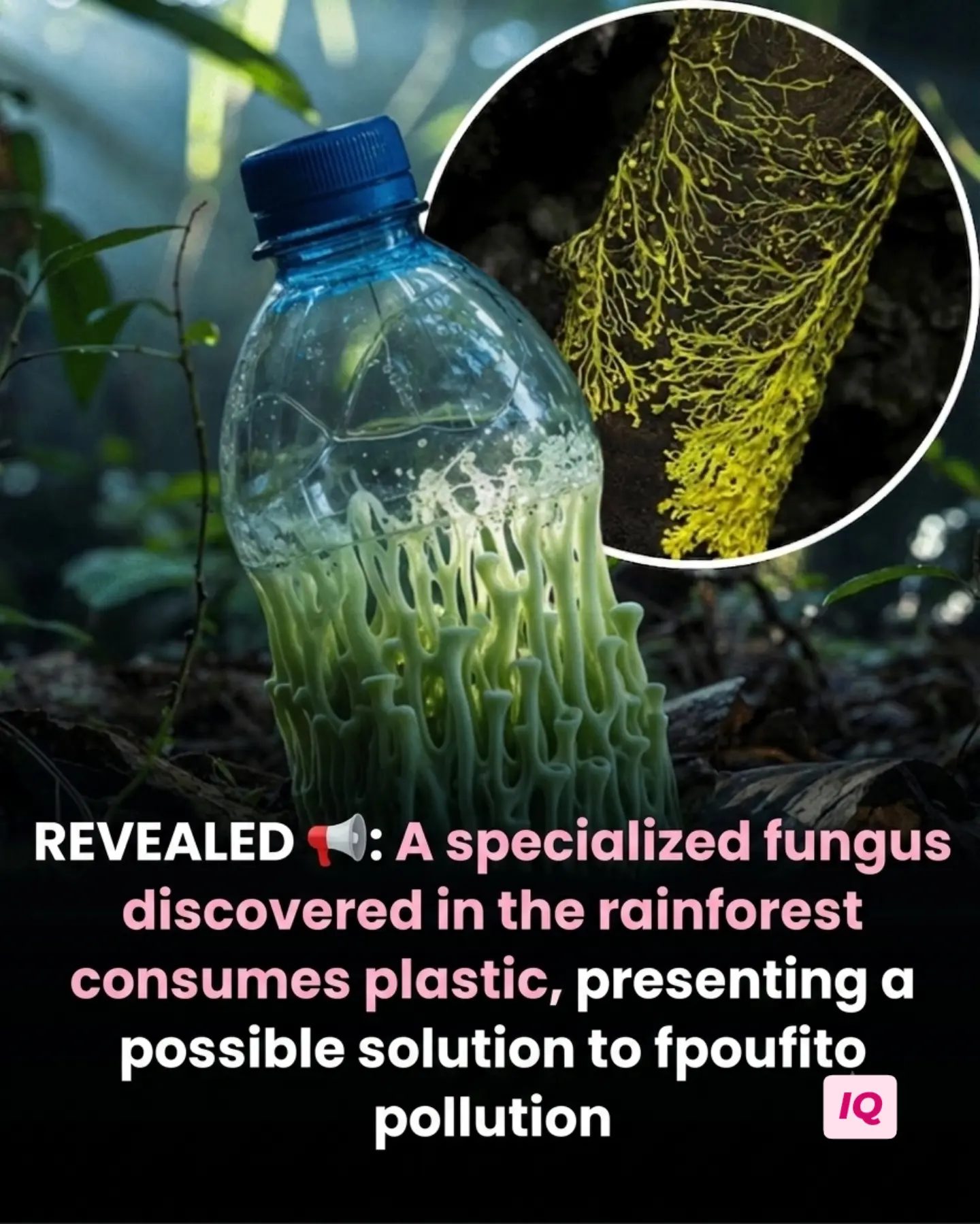
The Plastic-Eating Fungus: A Rainforest Marvel
Deep in the Ecuadorian Amazon, a microscopic organism is making headlines for its extraordinary ability to consume plastic. This remarkable fungus, known as Pestalotiopsis microspora, has captured the attention of scientists and environmentalists alike. Its unique capability to break down polyurethane, a synthetic foam commonly found in landfills, offers a glimmer of hope in the face of global pollution.
Context: The Plastic Problem
Plastic pollution is one of the most pressing environmental issues of our time. Polyurethane, in particular, is notorious for its durability and resistance to degradation. Traditional methods of disposal often involve landfills, where these plastics can persist for centuries, leaching harmful chemicals into the environment. The discovery of a fungus that can break down such stubborn materials is a significant development in the quest for sustainable waste management.
Pestalotiopsis Microspora: The Plastic-Eating Fungus
Discovery and Characteristics
Pestalotiopsis microspora was first identified in the lush rainforests of Ecuador. Its unique ability to consume plastic was initially observed in laboratory settings. This humble fungus thrives in the oxygen-deprived conditions of landfills, making it an ideal candidate for waste management.
Mechanism of Action
The fungus's secret lies in its specialized enzymes. These enzymes are capable of breaking down the complex chemical structures of polyurethane, transforming toxic synthetic polymers into harmless organic matter. This process is particularly remarkable because it occurs in the absence of oxygen, a condition typically inhospitable to most organisms.
Environmental Implications
The potential of Pestalotiopsis microspora extends beyond its ability to consume plastic. The fungus serves as a reminder of the vast, untapped potential of natural ecosystems. Rainforests, in particular, are treasure troves of biological diversity, harboring countless species that could hold the key to solving many of our environmental challenges.
Practical Tips: Harnessing the Power of Pestalotiopsis Microspora
Research and Development
While the discovery of Pestalotiopsis microspora is promising, significant hurdles must be overcome before it can be applied on a global scale. Research and development efforts are critical in understanding how to scale this solution from a laboratory setting to real-world applications.
Conservation Efforts
The rainforests of the world are under constant threat from deforestation and habitat destruction. Conserving these ecosystems is not just about protecting biodiversity; it's about preserving potential solutions to some of our most pressing environmental problems. Efforts to preserve and study these environments could yield more discoveries like Pestalotiopsis microspora.
Public Awareness
Raising awareness about the potential of natural solutions can inspire innovation and support for environmental conservation. Sharing stories like that of Pestalotiopsis microspora can encourage more people to engage with and protect these vital ecosystems.
Important Takeaways
The discovery of Pestalotiopsis microspora highlights several critical points:
- Nature's Solutions: The planet's richest ecosystems, like the Ecuadorian Amazon, are already conducting research and development on natural solutions to environmental crises.
- Conservation Matters: Every acre of rainforest cleared or burned represents a lost opportunity to discover more natural solutions to our problems.
- Scalability: While the fungus shows great promise, scaling this solution from a laboratory to global cleanup efforts is a significant challenge.
Conclusion
Pestalotiopsis microspora, the plastic-eating fungus, is a testament to the incredible potential of nature to solve our most challenging problems. Its ability to consume polyurethane offers a glimmer of hope in the fight against plastic pollution. However, the journey from discovery to implementation is fraught with challenges. By investing in research, conservation, and awareness, we can unlock the full potential of this remarkable fungus and the ecosystems that harbor it. The race to save our planet from plastic waste is ongoing, and natural allies like Pestalotiopsis microspora are more crucial than ever.
Questions readers ask
What is Pestalotiopsis microspora and why is it significant?
Pestalotiopsis microspora is a type of fungus discovered in the Ecuadorian Amazon. Its significance lies in its ability to biodegrade polyurethane, a durable plastic commonly found in landfills, without requiring oxygen. This makes it a potential solution for plastic pollution and waste management.
How does Pestalotiopsis microspora break down plastic?
This fungus breaks down polyurethane by secreting enzymes that can degrade the plastic's polymer structure. This process occurs even in the absence of oxygen, making it effective in landfill environments where oxygen is often low.
What are the benefits of using fungi like Pestalotiopsis microspora for waste management?
Using fungi for waste management can offer a sustainable solution to plastic pollution. These microorganisms can reduce the volume of plastic waste in landfills and minimize the environmental impact of harmful leachates. Additionally, they can help mitigate the long-term persistence of plastics in the environment.
Why is polyurethane a challenging plastic to degrade?
Polyurethane is a highly durable and resistant plastic, which makes it a significant challenge to degrade. Traditional disposal methods, such as landfilling, often lead to plastics persisting for centuries, contributing to environmental pollution and releasing harmful chemicals into the ecosystem.
How was Pestalotiopsis microspora discovered, and what are the potential applications of this discovery?
Pestalotiopsis microspora was discovered in the Ecuadorian Amazon. Its potential applications lie in developing sustainable waste management strategies. By harnessing the fungus's ability to break down polyurethane, we can explore new methods for reducing plastic waste in landfills and improving overall waste disposal practices.
What are the environmental implications of using Pestalotiopsis microspora for plastic waste?
The use of Pestalotiopsis microspora for plastic waste could significantly reduce the environmental impact of landfills. By breaking down polyurethane, the fungus can decrease the volume of waste, prevent the release of harmful chemicals, and contribute to a cleaner, more sustainable environment. Furthermore, it offers a promising alternative to traditional waste management practices.
Related deep dives
Similar reads based on topic and creator.



Recent articles
Fresh deep dives from the latest Reels we unpacked.




Comments
Be the first to comment.