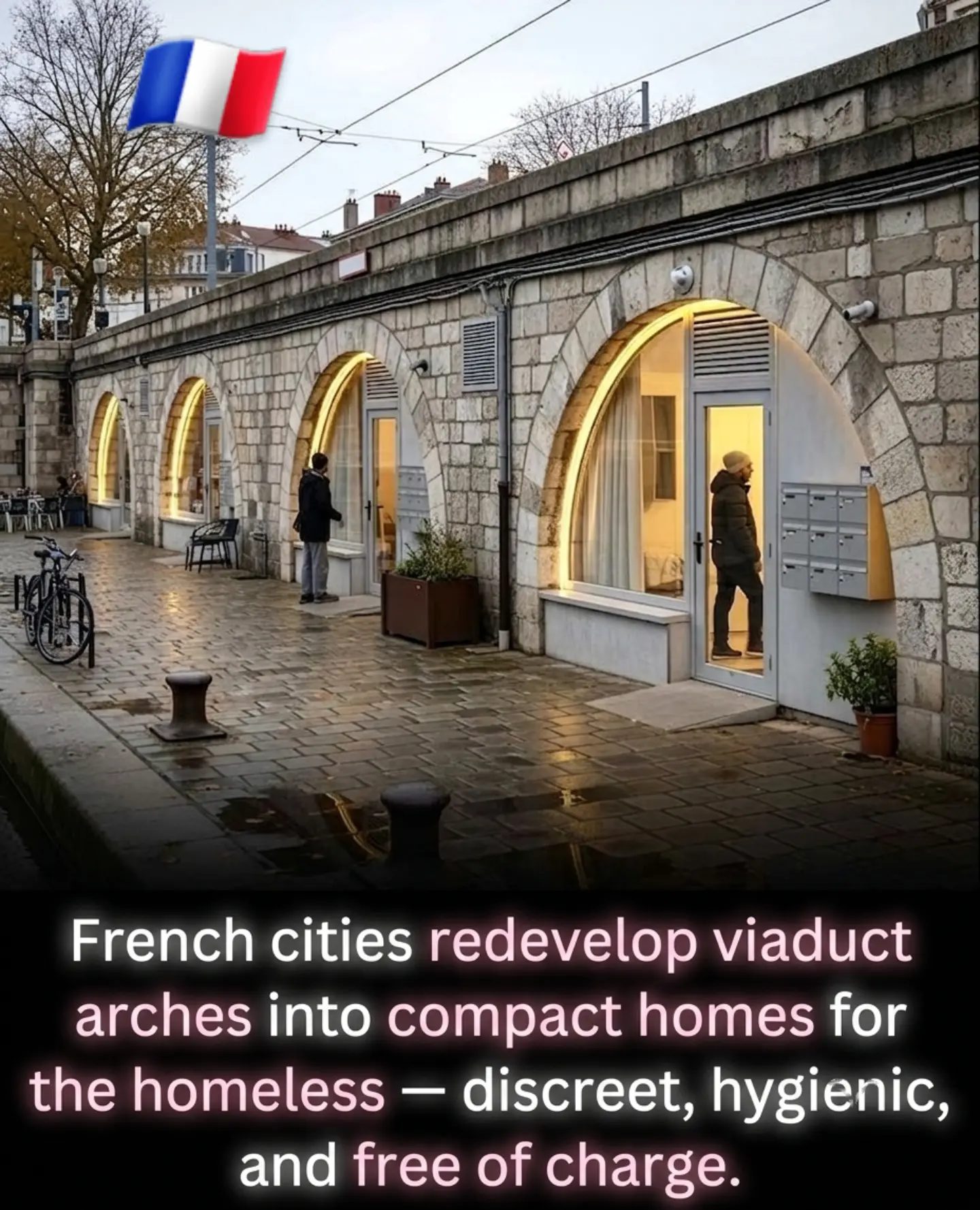
Urban Redevelopment: Transforming Viaduct Arches into Homes for the Homeless in France
In France, a innovative urban redevelopment initiative is converting old viaduct arches into compact micro-apartments for the unhoused. These repurposed spaces offer discreet, hygienic, and rent-free housing, providing a dignified solution to homelessness. This project serves as a powerful example of how creative urban design can address social issues and transform unused spaces into valuable community assets.
Why This Matters
Homelessness is a pervasive issue in many urban areas, and finding effective, sustainable solutions is a constant challenge. Traditional housing options may not always be feasible or suitable for everyone, and the availability of affordable, dignified housing remains a critical concern. The repurposing of viaduct arches in France offers a unique and effective approach to addressing this issue, demonstrating how innovative urban planning can positively impact society.
Main Discussion
The Initiative: Repurposing Viaduct Arches
The initiative involves converting old viaduct arches into micro-apartments. These arches, once part of a city's infrastructure, often fall into disuse over time, making them ideal for repurposing. By transforming these spaces, cities can provide essential housing for individuals who might otherwise be left without shelter.
Design and Features of the Micro-Apartments
Each micro-apartment is designed with discretion and dignity in mind. The units are compact, offering enough space for a single occupant to live comfortably. They are discreetly integrated into the existing urban landscape, blending seamlessly with the surroundings. This design ensures that residents do not feel stigmatized or isolated, allowing them to reintegrate into society more easily.
Hygiene is another key consideration in the design of these micro-apartments. Each unit is equipped with basic amenities to ensure a clean and safe living environment. This commitment to hygiene is crucial for the health and well-being of the residents.
The Benefits: Stability and a Fresh Start
One of the most significant benefits of these micro-apartments is the stability they provide. Each unit serves as a small studio, giving residents a place to call home. This stability is essential for individuals looking to rebuild their lives. It provides a foundation upon which they can plan for the future, seek employment, and access other essential services.
The rent-free nature of these apartments is also a significant advantage. Removing the financial burden of rent allows residents to focus on other aspects of their lives, such as finding employment or pursuing education. This financial relief can be a catalyst for long-term success and self-sufficiency.
The Impact on Urban Design
The repurposing of viaduct arches not only addresses homelessness but also contributes to urban design. By transforming unused spaces, cities can create more vibrant and functional urban environments. This approach to urban redevelopment encourages creative thinking and offers a fresh perspective on how to utilize existing infrastructure.
Urban Design and Community Integration
The integration of these micro-apartments into the urban landscape plays a critical role in their success. By blending these units into the existing architecture, they become a natural part of the community. This integration helps to reduce the stigma often associated with transitional housing and allows residents to feel more connected to their surroundings.
Practical Tips for Similar Initiatives
Engaging the Community
Community involvement is essential for the success of any urban redevelopment initiative. Engaging local residents, businesses, and organizations can help build support and ensure that the project aligns with the community's needs and values. Public meetings, surveys, and other forms of outreach can be effective in gaining community buy-in.
Collaborating with Local Agencies
Collaboration with local agencies, such as housing authorities and social service organizations, is crucial. These agencies can provide valuable resources and expertise, ensuring that the project meets the needs of the residents and complies with relevant regulations. Partnerships with non-profits and other stakeholders can also enhance the project's impact and sustainability.
Ensuring Sustainability
To ensure the long-term success of similar initiatives, it is essential to plan for sustainability. This includes considering the financial, environmental, and social aspects of the project. For example, incorporating energy-efficient designs, sustainable materials, and community involvement can help ensure that the project remains viable and beneficial for years to come.
Monitoring and Evaluation
Continuous monitoring and evaluation are essential for understanding the impact of the initiative and making necessary adjustments. Collecting data on resident outcomes, community feedback, and other relevant metrics can provide valuable insights into the project's effectiveness and areas for improvement.
Important Takeaways
The repurposing of viaduct arches in France into micro-apartments for the homeless offers a compelling example of how urban redevelopment can address social issues and transform unused spaces. By providing discreet, hygienic, and rent-free housing, this initiative offers individuals a fresh start and the stability they need to rebuild their lives. The success of this approach highlights the importance of creative urban design, community engagement, and collaboration with local agencies.
Conclusion
The transformation of unused viaduct arches in France into homes for the homeless is a testament to the power of innovative urban planning. By repurposing these spaces, cities can provide a dignified and stable living environment for those in need. This initiative not only addresses the pressing issue of homelessness but also contributes to the development of vibrant and functional urban communities. As urban areas continue to face challenges related to housing and social services, initiatives like these offer a promising path forward, demonstrating how creative thinking and urban design can create meaningful change.
Questions readers ask
Which cities in France are involved in this urban redevelopment initiative?
Several French cities are involved in this initiative, with notable examples including Paris, Lille, and Marseille. Each city approaches the project uniquely, adapting the designs to fit the local context and needs of their homeless populations.
What are the key features of the micro-apartments created from viaduct arches?
The micro-apartments are designed to be compact, typically ranging from 15 to 25 square meters. They are equipped with essential amenities like a bed, storage space, and a small kitchenette. Each unit has access to a shared bathroom and common areas for socializing.
How is privacy and dignity ensured for the residents of these micro-apartments?
Privacy is ensured through the design of the units, which are self-contained and separate from one another. The locations of the viaduct arches often provide a discreet setting. Each resident has their own key and can live independently.
What are the eligibility criteria for individuals to move into these micro-apartments?
Eligibility criteria vary by city, but generally, individuals must be experiencing homelessness and have a referral from a local social service agency or homeless outreach program. Priority is often given to those with the most urgent housing needs.
How does this initiative address the environmental impact of urban development?
By repurposing existing structures, this initiative reduces the need for new construction, which can help lower carbon emissions and environmental impact. Additionally, the use of old viaduct arches preserves historical and architectural heritage and prevents further urban sprawl.
Recent articles
Fresh deep dives from the latest Reels we unpacked.




Comments
Be the first to comment.