Cherries and Chemical Treatment
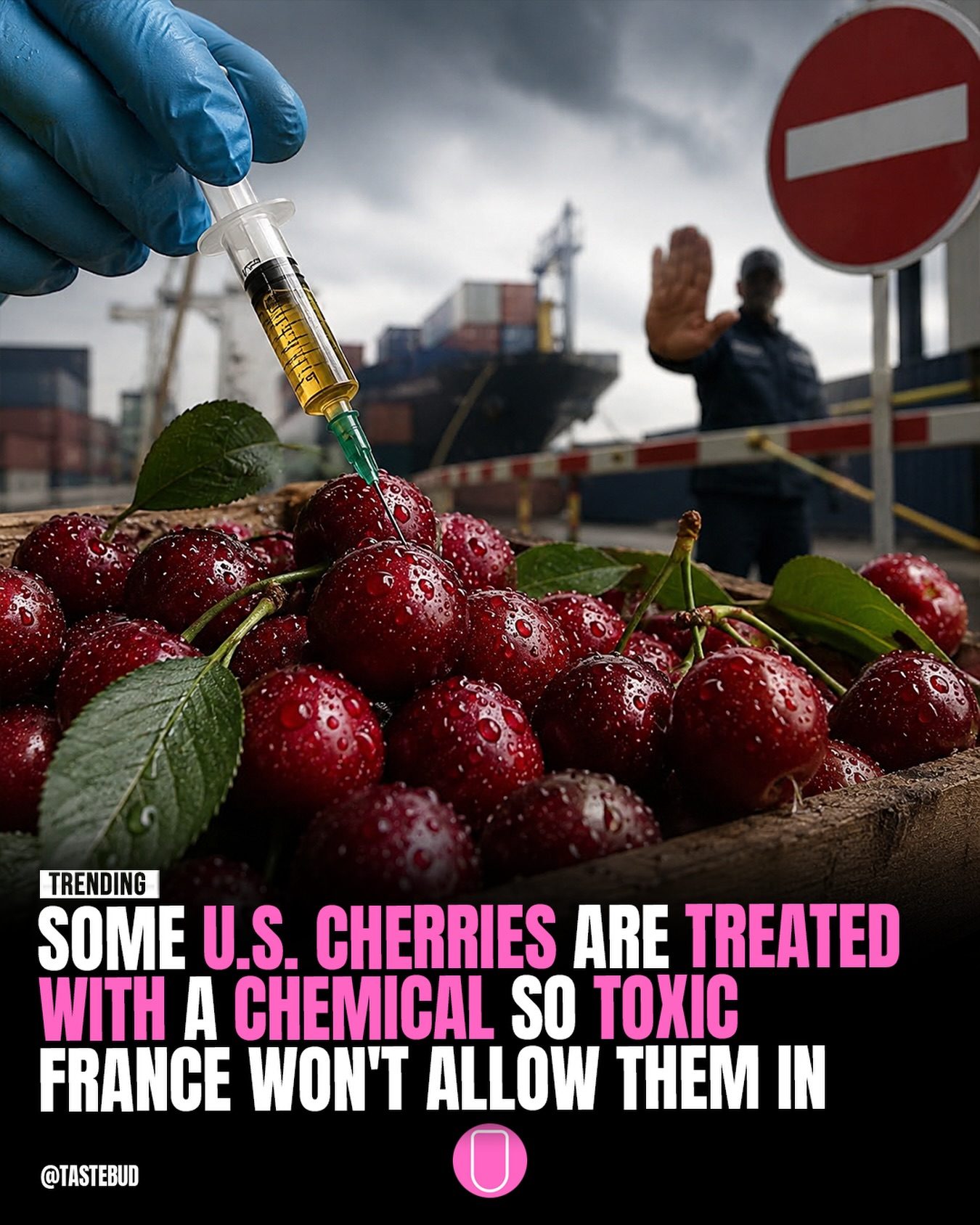
Cherries are a beloved fruit enjoyed worldwide, but their cultivation and export can be fraught with complexities, particularly when it comes to chemical treatments. This is especially evident in the case of U.S. cherries, which have faced restrictions in certain international markets due to their treatment with specific insecticides.
Why This Matters
The issue of chemical treatments in agriculture is a hot-button topic, especially when it comes to food safety and international trade. When countries like the United States and France have differing regulations, it can lead to significant trade disputes and market access issues. This is particularly relevant for cherries, which are often treated with chemicals like dimethoate to control pests and ensure a bountiful harvest.
Main Discussion
The Use of Dimethoate
Dimethoate is an organophosphate insecticide commonly used in agriculture to control a wide range of pests. It is effective but has raised concerns due to its potential health impacts. In the United States, dimethoate is permitted for use on cherries, but this has led to problems when trying to export these cherries to countries with stricter regulations.
France's Stance on Chemical Treatment
France has strict regulations regarding the use of pesticides, especially those that may leave harmful residues on food products. As a result, France has prohibited the import of cherries treated with dimethoate. This decision stems from concerns that the residues from the pesticide could pose unacceptable risks to consumers.
The French authorities' decision highlights a broader issue: the differing approaches to agricultural chemicals between Europe and the United States. European regulators tend to apply stricter precautionary standards to certain pesticides, leading to more rigorous testing and stricter limits on residue levels.
Industrial Practices and Consumer Safety
The issue of chemical treatment in cherries is not just about trade restrictions; it is also about consumer safety. Dimethoate, like other organophosphate insecticides, can be toxic to humans if ingested in large amounts. While the levels used in agriculture are generally considered safe by many regulatory bodies, the concern lies in the potential for residues to accumulate in the body over time.
Consumer safety is a critical factor in the debate over chemical treatments. European regulators, including those in France, prioritize a precautionary approach, which means they take stringent measures to prevent potential health risks, even if the scientific evidence is not conclusive. This approach contrasts with the United States, where the focus is often on balancing the benefits of pesticide use with potential risks.
The Impact on Trade and Farmers
For U.S. cherry farmers, the restrictions imposed by France and other European countries can have significant economic implications. These farmers rely on export markets to sell their surplus produce, and restrictions can lead to financial losses. The ban on dimethoate-treated cherries in France means that U.S. farmers must either find alternative markets or adopt different pest control methods that comply with European regulations.
Practical Tips
For consumers who are concerned about the chemical treatment of cherries, there are several steps you can take:
Choose Organic
Organic cherries are grown without the use of synthetic pesticides, making them a safer option for health-conscious consumers. Look for the organic label when purchasing cherries to ensure they have not been treated with chemicals like dimethoate.
Know Your Source
If organic cherries are not available, try to source cherries from regions that have stricter regulations on pesticide use. European countries, for example, generally have more rigorous standards, which means the cherries are less likely to contain harmful residues.
Wash Thoroughly
Even if cherries have been treated with pesticides, washing them thoroughly can help reduce the amount of residue. Use a mixture of water and vinegar to clean the cherries before consumption.
Check Labels
Labels on cherry products can provide valuable information about their origin and the pesticides used in their cultivation. Look for labels that specify the use of non-toxic or natural pesticides.
Support Local Farmers
Supporting local farmers who use organic or natural pest control methods can help ensure that you are consuming safe and healthy cherries. Local farmers are often more transparent about their practices and can provide detailed information about the pesticides they use.
Advocate for Change
Advocating for stricter regulations on pesticide use can help ensure that the cherries you consume are safer. Engage with your local representatives and support organizations that promote sustainable and safe agricultural practices.
Important Takeaways
The use of dimethoate and other chemicals in cherry cultivation is a complex issue with significant implications for both consumer health and international trade. France’s ban on dimethoate-treated cherries highlights the differing regulatory approaches between Europe and the United States, with European countries generally adopting stricter standards to protect consumer health. For consumers, choosing organic cherries, knowing your source, washing thoroughly, checking labels, supporting local farmers, and advocating for change can help mitigate the risks associated with chemical treatments.
Conclusion
The issue of chemical treatments in cherry cultivation is a multifaceted one, involving trade restrictions, consumer safety, and differing regulatory approaches. By understanding the use of pesticides like dimethoate, the reasons behind France's ban, and the impact on trade and farmers, consumers can make more informed choices. Whether it's choosing organic cherries, supporting local farmers, or advocating for stricter regulations, there are practical steps that can be taken to ensure the safety and sustainability of the food we consume.
Questions readers ask
What is dimethoate, and why is it a concern for France?
Dimethoate is an insecticide used in U.S. cherry cultivation to control pests. France is concerned about dimethoate due to its strict pesticide regulations, which aim to minimize chemical residues in food. The European Union has banned dimethoate, making it a point of contention in the trade dispute with the U.S.
Why did France ban U.S. cherries?
France banned U.S. cherries due to the use of dimethoate, an insecticide that is prohibited in the EU. The ban is part of France's efforts to enforce stricter food safety standards and reduce chemical residues on imported fruits.
What are the implications of the U.S.-France cherry trade dispute?
The trade dispute has significant implications for both countries. It affects market access for U.S. cherry producers, who face restrictions in the European market. Meanwhile, French consumers may experience limited availability of U.S. cherries, potentially driving up prices for alternative varieties.
How do France's pesticide regulations differ from those of the U.S.?
France and the EU have stricter pesticide regulations compared to the U.S. For instance, dimethoate is banned in the EU due to concerns about potential health risks, while it is still approved for use in the U.S. These differing standards often lead to trade disputes and market access issues.
What steps can be taken to resolve the cherry trade dispute between the U.S. and France?
To resolve the dispute, both countries could work towards harmonizing their pesticide regulations by finding a middle ground that ensures food safety while allowing for fair trade. The U.S. could explore alternative pest control methods, and France could reconsider its stance on dimethoate, possibly based on new scientific evidence.
Are there any alternatives to dimethoate for controlling pests on cherries?
Yes, there are several alternatives to dimethoate for pest control in cherry cultivation. These include other approved insecticides, biological controls such as beneficial insects, and integrated pest management (IPM) strategies, which combine various methods to minimize chemical use while maintaining effective pest control.
How do European pesticide standards impact U.S. farmers exporting to France?
European pesticide standards, such as those set by the EU, significantly impact U.S. farmers exporting to France. Farmers must ensure that their produce complies with these standards, which may involve reducing or eliminating the use of certain chemicals. Failure to comply can result in rejected shipments and lost market access, making it crucial for U.S. farmers to stay informed about the latest regulations.
Recent articles
Fresh deep dives from the latest Reels we unpacked.




Comments
Be the first to comment.