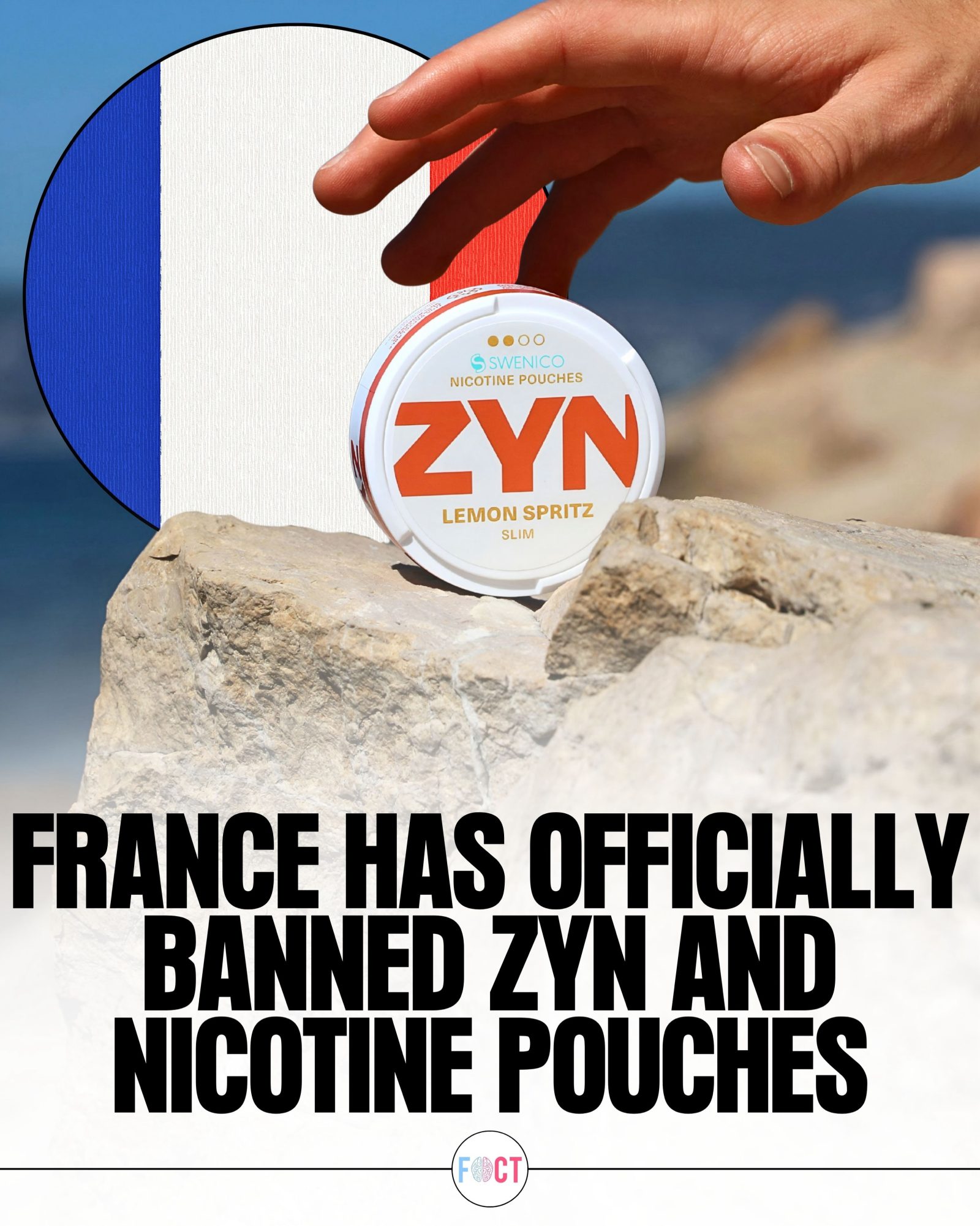
France has officially banned ZYN and all non-medicinal nicotine pouches, making it illegal to sell, import, possess, or use them. This sweeping ban, which includes nicotine pouch products like ZYN and its Lemon Spritz flavor, reflects a significant shift in the country's approach to tobacco and nicotine control. Unlike many other regions, France has made it a criminal offense to possess or use nicotine pouches, setting it apart as the only western country to impose such strict measures.
Why This Matters
France's decision to ban nicotine pouches underscores the growing global debate over the regulation of nicotine products. Nicotine pouches have become increasingly popular as an alternative to traditional tobacco products, including cigarettes and vaping devices. These small, discreet pouches contain nicotine and other ingredients, and are placed between the lip and gum, delivering nicotine without tobacco or smoke.
The ban highlights the complexities of nicotine regulation. Nicotine pouches are often marketed as a safer alternative to smoking, as they do not involve combustion or the inhalation of tobacco smoke. However, they still contain nicotine, which is highly addictive. This has led to concerns about their potential impact on public health, particularly among young people and non-smokers. France's approach reflects a cautious stance on these products, prioritizing public health and safety.
Main Discussion
Understanding the Ban
France has adopted a comprehensive ban on non-medicinal nicotine pouches.
This includes:
- Importation and Sale: It is now illegal to import or sell nicotine pouches in France.
- Possession and Use: Personal possession or use of nicotine pouches is also prohibited, making it a criminal offense.
- Penalties: Violations can result in significant fines and potential prison sentences, underscoring the severity of the ban.
Comparison with Other Nicotine Products
While nicotine pouches are now banned, France has not extended this regulation to other nicotine products, such as cigarettes and vaping devices. This selective approach highlights the specific concerns France has about nicotine pouches, which may include their appeal to younger demographics and the potential for addiction.
Global Context
France stands alone in the western world with this ban. Sweden’s trade minister compared the move to banning "French baguettes or French wine in Sweden." This comparison underscores the economic and cultural significance of such restrictive measures, particularly in the context of international trade and consumer choice.
The Role of ZYN
ZYN, a well-known brand of nicotine pouches, is explicitly mentioned in the ban. The Lemon Spritz flavor, along with other variants, is no longer available in France. This has implications for users who preferred these products over traditional tobacco or vaping alternatives.
Practical Tips
For Travelers
If you are traveling to France, it is crucial to be aware of this ban. Avoid bringing nicotine pouches into the country, as possession can lead to legal consequences. Consider switching to alternative nicotine products that are still permitted, such as vaping devices or traditional cigarettes, if necessary.
For Users
For individuals who rely on nicotine pouches, the ban presents a significant disruption. Consider exploring other nicotine delivery methods that are still legal in France. Consulting healthcare professionals to explore harm-reduction strategies or quitting plans can also be a proactive approach.
For Retailers
Retailers in France need to adjust their product offerings to comply with the ban. Ensure that your inventory does not include any non-medicinal nicotine pouches, and be aware of the potential legal implications for non-compliance.
Important Takeaways
France’s ban on nicotine pouches is a significant development in the global discussion on nicotine regulation. It underscores the country's commitment to public health and the need to make informed choices about nicotine products. For users, travelers, and retailers, understanding and adapting to this ban is essential to avoid legal repercussions.
Additionally, it highlights the need for ongoing research and dialogue about the potential risks and benefits of various nicotine products. As more countries grapple with similar issues, France’s approach provides a case study in the complexities of regulating these products.
Conclusion
France's ban on ZYN and all non-medicinal nicotine pouches is a landmark decision in the realm of nicotine regulation. It sets a precedent for other countries and emphasizes the importance of public health in shaping policy. Whether you are a user, a traveler, or a retailer, being informed and prepared is key to navigating this new landscape. This ban serves as a reminder of the evolving nature of nicotine regulation and the need for ongoing vigilance and adaptation.
Questions readers ask
Why did France decide to ban nicotine pouches like ZYN?
France banned nicotine pouches, including ZYN, as part of its strict public health regulations. The country aims to reduce the prevalence of nicotine use and promote a healthier society. The ban underscores France's commitment to stringent tobacco and nicotine control measures.
What are the penalties for possessing or using nicotine pouches in France?
In France, possessing, selling, or importing nicotine pouches like ZYN is now a criminal offense. The penalties can include fines and possible imprisonment, reflecting the severity with which France views these violations of public health regulations.
What is the status of other nicotine products in France, such as vaping devices and traditional cigarettes?
France's ban on nicotine pouches is part of a broader effort to restrict nicotine use. While vaping devices and traditional cigarettes are still available, they are heavily regulated and taxed. The country has not implemented a complete ban on these products, but they are subject to strict controls.
How does France's ban on nicotine pouches compare to other countries, such as Sweden?
France's ban on nicotine pouches sets it apart from many other countries, including Sweden, where these products are more widely available. In Sweden, nicotine pouches are regulated but not banned, and they are often used as an alternative to smoking, particularly by those looking to reduce harm.
Are there any legal alternatives to nicotine pouches in France?
France allows medicinal nicotine products, such as nicotine replacement therapies (NRTs) like gum and patches, which are available by prescription or over-the-counter. However, non-medicinal nicotine pouches, including ZYN, are strictly prohibited and cannot be legally sold, imported, or used within the country.
What should visitors to France know about bringing in nicotine pouches?
Visitors to France should be aware that it is illegal to bring in nicotine pouches, including ZYN. Possessing or using them can result in criminal penalties. It's important for travelers to leave these products at home or properly dispose of them before entering the country.
How does France enforce its ban on nicotine pouches?
France enforces the ban on nicotine pouches through its law enforcement agencies, which monitor and penalize individuals and businesses found to be in violation. The country's stringent regulations are aimed at preventing the sale, import, possession, and use of these products, with significant penalties for those who violate the law.
Recent articles
Fresh deep dives from the latest Reels we unpacked.




Comments
Be the first to comment.