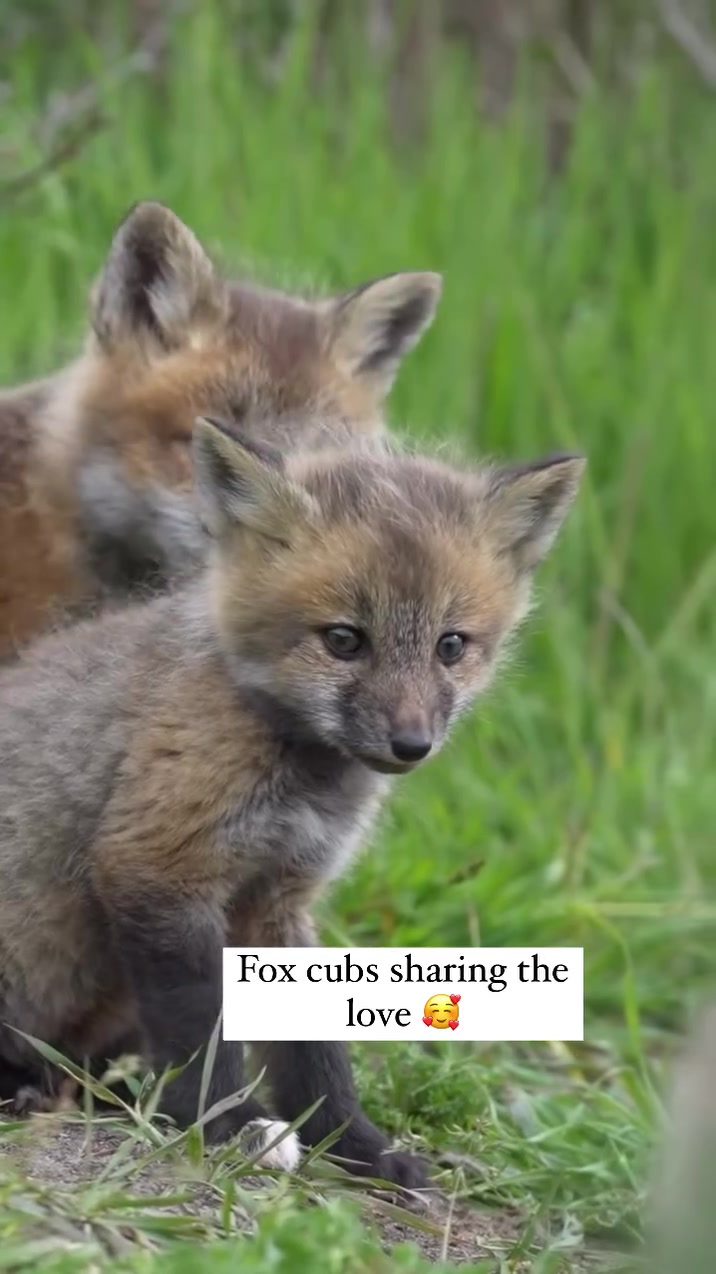
Fox Cubs in the Wild: A Display of Sibling Affection
Fox cubs in the wild are a delight to observe, especially when they exhibit the kind of affectionate behavior that highlights the strong bonds they share. These young foxes, seen in a natural, grassy environment, engage in various playful activities that showcase their closeness and enjoyment of each other's company.
Context / Why This Matters
Fox cubs are known for their playful and curious nature, and observing them in their natural habitat provides valuable insights into their behavior and social dynamics. These interactions are not only endearing but also crucial for their development and survival. Understanding the social structure and behavior of fox cubs can offer a deeper appreciation for the complexity of wildlife and the importance of preserving their habitats.
Fox Cubs: Social Creatures
The Importance of Sibling Bonds
Fox cubs, like many young animals, form strong bonds with their siblings. These bonds are essential for their survival and development. Sibling interactions help cubs learn social skills, communication, and cooperative behaviors that are vital for their future interactions with other foxes. The affectionate behavior observed, such as nuzzling, playing, and cuddling, is a clear indication of the deep emotional connections they form.
Playful Behavior and Learning
Play is a critical aspect of a fox cub's life. It serves multiple purposes, including physical development, social learning, and emotional bonding. Through play, cubs learn important life skills such as hunting techniques, agility, and coordination. They also develop problem-solving abilities and social hierarchies that will be crucial as they grow older. The playful interactions observed in the wild reflect the natural instincts and behaviors that are essential for their survival.
Emotional Intelligence
The affectionate behavior of fox cubs also highlights their emotional intelligence. They exhibit a range of emotions, from joy and excitement to comfort and security. These emotions are not only expressed through physical interactions but also through vocalizations and body language. Understanding these emotional cues can provide a deeper insight into the complex social structure of fox families and the importance of their bonds.
Practical Tips for Observing Wildlife
Respect Wildlife Habitats
When observing wildlife, especially in their natural habitats, it's crucial to respect their space and environment. Avoid disturbing their natural behaviors and ensure that your presence does not cause stress or disruption. Use binoculars or long-range cameras to observe from a safe distance.
Be Mindful of Your Surroundings
Being mindful of your surroundings is essential for a safe and enjoyable wildlife experience. Stay on designated trails and paths to minimize your impact on the environment. Be aware of potential hazards such as steep terrain, wildlife encounters, and weather changes.
Leave No Trace
Always follow the "Leave No Trace" principles. This includes packing out all trash, minimizing campfire impact, respecting wildlife, and being considerate of other visitors. By leaving the environment as you found it, you help preserve natural habitats for future generations.
Documentation and Sharing
When you come across beautiful and heartwarming moments like those of fox cubs, it's natural to want to share them with others. Photos and videos can capture these moments beautifully, but always ensure you do so responsibly. Avoid using flash photography, which can startle or disturb animals, and be mindful of the ethical considerations of sharing wildlife images.
Important Takeaways
Fox cubs in the wild provide a fascinating glimpse into the social and emotional world of these animals. Their playful and affectionate behavior not only enriches our understanding of their world but also highlights the importance of preserving their habitats. By observing and respecting wildlife, we can contribute to the conservation of these beautiful creatures and ensure that future generations can enjoy the same experiences.
Conclusion
The interactions of fox cubs in the wild offer a unique and heartwarming perspective on the social and emotional lives of these animals. Their playful and affectionate behavior underscores the importance of sibling bonds and the role of play in their development. By observing and respecting wildlife, we can contribute to the preservation of these remarkable creatures and their habitats, ensuring that future generations can continue to appreciate the beauty and complexity of the natural world.
Questions readers ask
What types of playful activities do fox cubs engage in to strengthen their sibling bonds?
Fox cubs engage in a variety of playful activities such as chasing, wrestling, and mock fights. These activities not only provide physical exercise but also help them develop essential social skills and emotional intelligence. Observing these interactions can reveal the strong bonds and mutual enjoyment fox cubs share with their siblings.
Why is it important to observe fox cubs in their natural habitats?
Observing fox cubs in their natural habitats allows us to gain insights into their authentic and unadulterated behaviors. It helps us understand their social dynamics, the importance of sibling bonds, and how these interactions contribute to their overall development and survival in the wild. It also highlights the significance of preserving their natural environments.
How do fox cubs benefit from sibling interactions in the wild?
Fox cubs benefit from sibling interactions by learning crucial social skills, emotional intelligence, and how to navigate complex social dynamics. These interactions also provide opportunities for play and physical development, all of which are vital for their growth and preparation for adulthood in the wild.
What can we learn about wildlife by observing the sibling bond in fox cubs?
Observing the sibling bond in fox cubs provides valuable insights into the emotional intelligence and complex social structures of wildlife. It underscores the importance of sibling relationships in the development and survival of these animals, offering a deeper appreciation for the intricacies of wild animal behavior and the need for habitat preservation.
What are some signs of sibling affection in fox cubs?
Signs of sibling affection in fox cubs include gentle nuzzling, grooming each other, and engaging in cooperative play. These behaviors show the strong bonds and mutual affection that fox cubs share, highlighting the importance of sibling interactions in their lives.
How do fox cubs' playful activities contribute to their survival?
The playful activities of fox cubs contribute to their survival by helping them develop essential physical and social skills. These activities improve their agility, coordination, and hunting abilities, while also teaching them how to communicate and cooperate with others in their social group.
Related deep dives
Similar reads based on topic and creator.




Recent articles
Fresh deep dives from the latest Reels we unpacked.




Comments
Be the first to comment.