Food Safety Concerns in Fast-food Ice
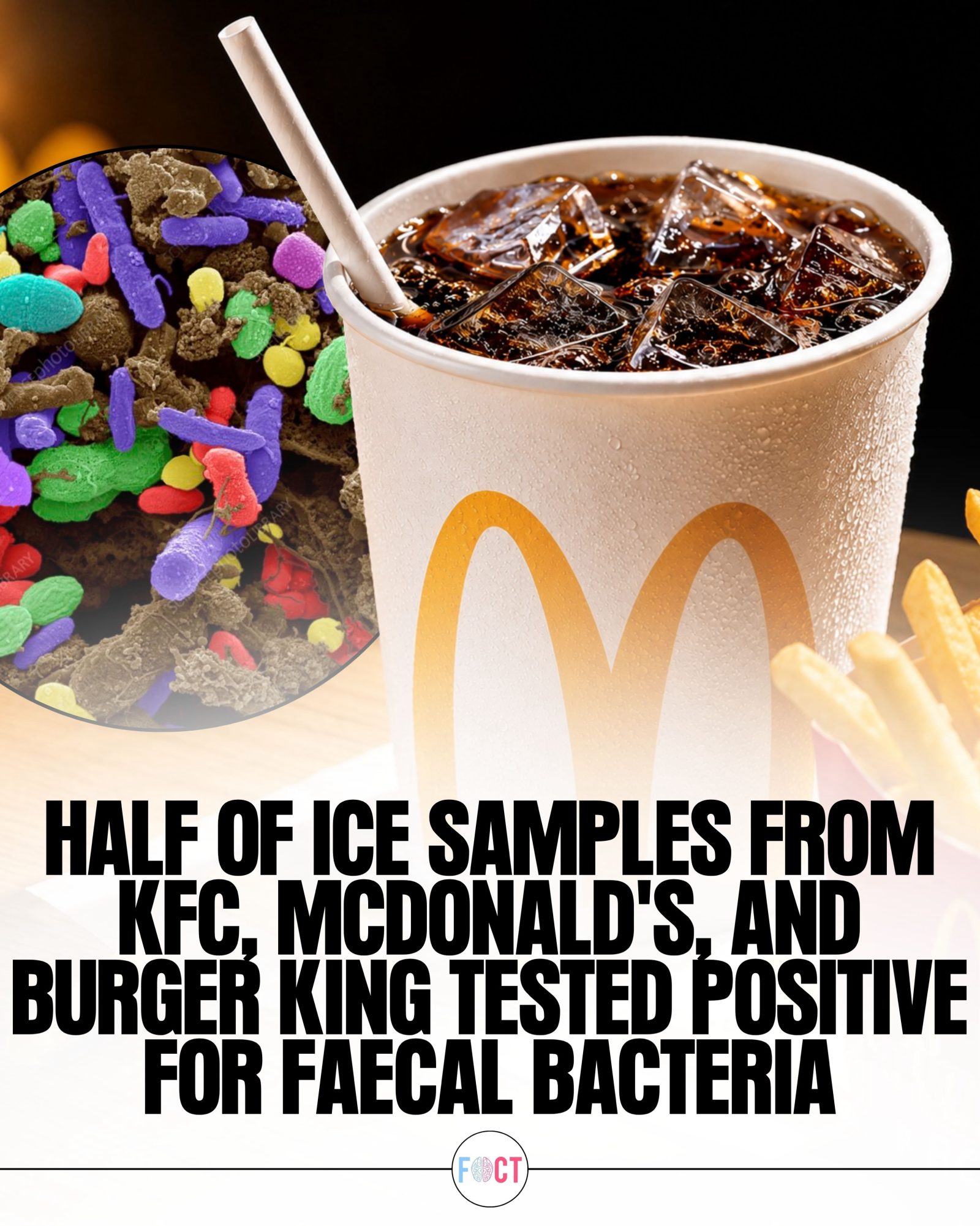
Ice is an essential component of many beverages, including soft drinks, and is often taken for granted as a hygienic element. However, recent findings from a UK-based investigation, originally conducted for BBC Watchdog, shed light on a concerning issue: the presence of bacteria in ice samples from major fast-food chains. These findings underscore the importance of rigorous hygiene standards in the foodservice industry, particularly when it comes to ice production and handling.
Context: Why This Matters
Ice may seem like an innocuous part of a drink, but it plays a critical role in maintaining beverage temperature and enhancing flavor. However, the discovery of coliform bacteria in ice samples from McDonald's, KFC, and Burger King raises significant food safety concerns. Coliform bacteria, which can indicate fecal contamination, pose a potential health risk to consumers. These findings highlight the need for stringent hygiene practices in the foodservice industry, particularly in the handling of ice.
Food Safety Risks in Fast-food Ice
The investigation revealed that half of the ice samples from McDonald's, KFC, and Burger King tested positive for coliform bacteria. This alarming discovery underscores the potential for cross-contamination and the spread of harmful microorganisms through ice. The presence of coliform bacteria in ice can signal fecal contamination, which can lead to serious health issues if ingested.
Contamination Sources
Investigators stressed that the primary source of contamination was not the water supply itself, but rather the hygiene of the ice machines and the handling practices within the restaurants. This indicates that the issue lies more with the maintenance and cleaning routines of the ice machines rather than the water quality. Proper sanitation and regular maintenance of ice machines are crucial to prevent bacterial growth and contamination.
Impact on Public Health
The presence of bacteria in ice can have serious implications for public health. Coliform bacteria can cause gastrointestinal illnesses, including diarrhea, vomiting, and abdominal pain. In severe cases, it can lead to more serious conditions such as kidney failure and even death, particularly in vulnerable populations such as children, the elderly, and those with compromised immune systems. Ensuring the safety of ice in foodservice establishments is therefore paramount to protect public health.
Practical Tips for Ensuring Ice Safety
Maintaining ice safety in foodservice establishments requires a multifaceted approach that includes regular cleaning, proper handling, and ongoing monitoring.
Regular Cleaning and Maintenance
Regular cleaning and maintenance of ice machines are essential to prevent bacterial growth. This includes daily cleaning of ice machine components, such as the water supply, evaporator, and water filters. Additionally, routine inspections and servicing by trained professionals can help identify and address potential issues before they become significant.
Staff Training
Proper training of staff on hygiene practices and handling procedures is crucial. Staff should be educated on the importance of handwashing, proper glove use, and the prevention of cross-contamination. Regular training sessions and refresher courses can help reinforce these practices and ensure compliance with food safety standards.
Equipment Selection
Choosing high-quality, reliable ice machines that are designed with food safety in mind is important. Features such as automated cleaning cycles, antimicrobial surfaces, and easy-to-clean components can significantly reduce the risk of contamination. Investing in quality equipment can pay off in the long run by ensuring the safety and quality of ice.
Important Takeaways
The findings from the UK-based investigation highlight several key takeaways for the foodservice industry and consumers alike.
Rigorous Hygiene Standards
Ice is a critical component of many beverages, and it demands the same rigorous hygiene standards applied to any food or drink. Ensuring the safety of ice requires a comprehensive approach that includes regular cleaning, proper handling, and stringent monitoring.
Public Health Implications
The presence of bacteria in ice can have serious implications for public health. Coliform bacteria can cause gastrointestinal illnesses and, in severe cases, lead to more serious health conditions. Ensuring the safety of ice is therefore essential to protect public health and prevent the spread of harmful microorganisms.
Industry Responsibility
Fast-food chains and other foodservice establishments have a responsibility to prioritize food safety and implement best practices to prevent contamination. This includes regular cleaning and maintenance of ice machines, staff training on hygiene practices, and investing in high-quality equipment.
Conclusion
The discovery of bacteria in ice samples from major fast-food chains serves as a stark reminder of the importance of food safety in the foodservice industry. Ensuring the safety of ice requires a multifaceted approach that includes regular cleaning, proper handling, and ongoing monitoring. By prioritizing food safety and implementing best practices, foodservice establishments can protect public health and maintain consumer trust.
Questions readers ask
What types of bacteria were found in the ice from major fast-food chains?
The ice samples from fast-food chains like McDonald's, KFC, and Burger King were found to contain coliform bacteria, which can indicate potential fecal contamination. These bacteria are a significant concern for public health as they can cause foodborne illnesses.
Which fast-food chains were affected by the ice contamination?
The investigation revealed that ice from major fast-food chains, including McDonald's, KFC, and Burger King, contained bacteria. These findings highlight the need for improved hygiene standards in the foodservice industry.
What are coliform bacteria and why are they a concern?
Coliform bacteria are a group of microorganisms that are often used as indicators of fecal contamination. Their presence in ice can suggest that the ice has been exposed to unsanitary conditions, posing a health risk to consumers.
How can bacteria in ice affect consumers?
Consuming beverages with contaminated ice can lead to food poisoning. Symptoms may include nausea, vomiting, and diarrhea. It is crucial for consumers to be aware of the potential risks and for foodservice industries to maintain strict hygiene protocols.
What measures can fast-food chains take to prevent ice contamination?
Fast-food chains can implement rigorous cleaning and maintenance procedures for ice machines. Regular testing of ice for bacteria, staff training on proper hygiene practices, and ensuring clean water sources for ice production are essential steps to prevent contamination.
What should I do if I suspect I have consumed contaminated ice?
If you suspect you have consumed contaminated ice and experience symptoms such as nausea, vomiting, or diarrhea, it is important to stay hydrated and consult a healthcare professional. Monitor your symptoms and seek medical advice if they persist or worsen.
Are there any regulations in place to address ice contamination in fast-food chains?
Regulations vary by region, but many health departments have guidelines for foodservice hygiene, including the handling and production of ice. Fast-food chains should adhere to local health codes and industry best practices to ensure the safety of their products.
Recent articles
Fresh deep dives from the latest Reels we unpacked.




Comments
Be the first to comment.