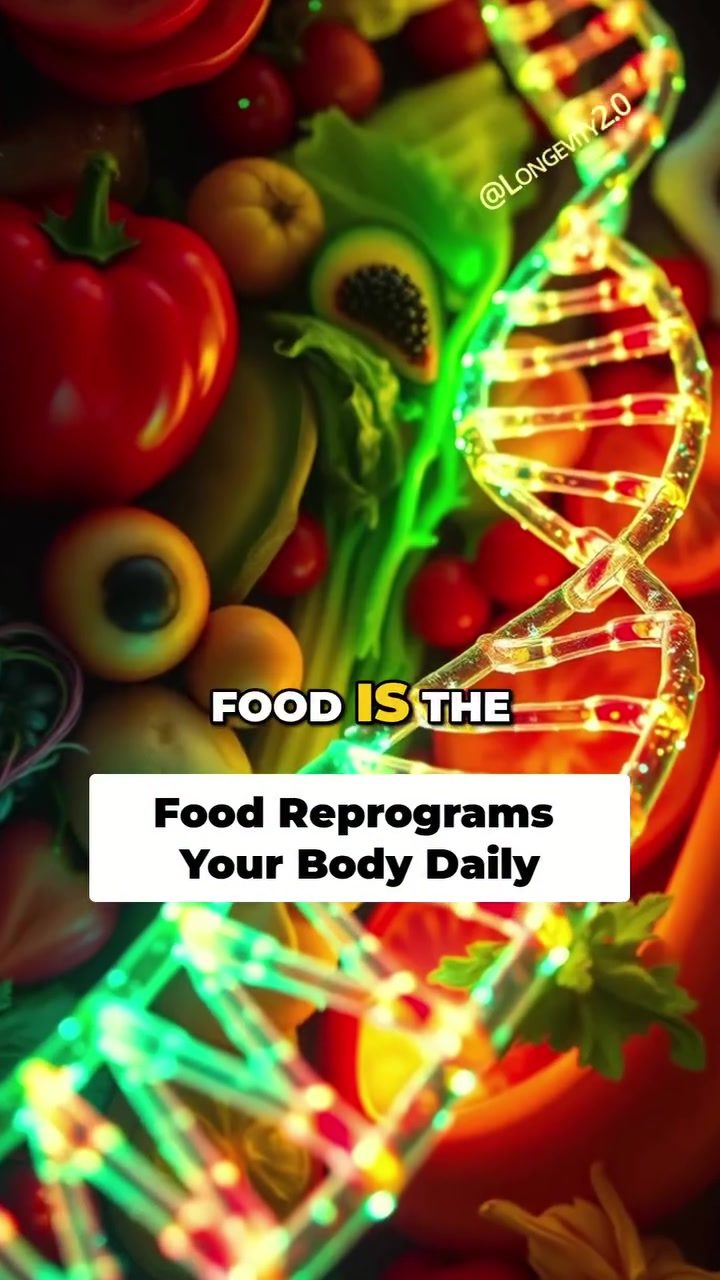
Food as Bio-instructions
Food does far more than satiate hunger or provide calories; it serves as a formidable tool to influence our biology. This impact is not a gradual process but occurs swiftly, within minutes of consumption. Every meal sends signals throughout the body, acting as biological instructions that can either support health and resilience or contribute to dysfunction over time. Understanding this dynamic can empower individuals to take control of their well-being through mindful eating.
The Science Behind Food as Information
Food is essentially code or instructions that alter physiology with every bite. This process, known as nutritional epigenetics, influences various aspects of our biology, including:
- Gene expression: The activation or deactivation of specific genes.
- Hormones: Chemical messengers that regulate body functions.
- Blood sugar: Glucose levels in the bloodstream.
- Brain chemistry: Neurotransmitters and other chemicals that affect mood and cognition.
- Immune system: The body's defense mechanisms against infections and diseases.
- Gut microbiome: The trillions of microorganisms living in the digestive tract.
- Neurotransmitters: Chemicals that transmit signals across neurons.
These changes occur rapidly, often within minutes of eating. This immediate impact underscores the importance of every meal and snack in shaping overall health.
The Impact of Food on Daily Health
Many people are unaware that their dietary choices significantly influence their daily well-being. Common symptoms such as low energy, brain fog, poor sleep, cravings, mood changes, and inflammation can often be traced back to what they eat. Addressing these issues through diet and metabolic health can lead to noticeable improvements in quality of life.
Common Misconceptions About Food and Health
One prevalent misconception is that food is merely fuel for the body. In reality, food acts as a powerful form of information that the body interprets and responds to instantly. Every bite is a biological instruction, either supporting health and resilience or contributing to dysfunction over time. This perspective challenges the traditional view of nutrition as purely about caloric intake and macronutrient balance.
The Role of Mindful Eating
Mindful eating involves paying attention to the food we consume and its effects on our bodies. By being aware of the signals food sends to our biology, individuals can make more informed choices about what to eat. This practice can help prevent and alleviate various health issues, promoting overall well-being and longevity.
Practical Tips for Mindful Eating
Here are some tips to help incorporate mindful eating into daily life:
1. Focus on Nutrient-Dense Foods
Prioritize foods that provide a wealth of nutrients, such as fruits, vegetables, lean proteins, and whole grains. These foods offer the body the information it needs to function optimally and support cellular health.
2. Eat Slowly and Without Distractions
Taking the time to chew food thoroughly and eat without distractions allows the body to better process and absorb nutrients. This practice also helps in recognizing when you're full, preventing overeating.
3. Pay Attention to How Food Makes You Feel
Be mindful of how different foods affect your energy levels, mood, and overall well-being. Keep a food journal to track these observations and identify patterns that can guide future dietary choices.
4. Stay Hydrated
Drinking plenty of water is essential for maintaining optimal bodily functions and supporting the absorption of nutrients from food. Proper hydration also helps in regulating appetite and preventing overeating.
5. Listen to Your Body's Cues
Your body sends signals when it needs nourishment or rest. Paying attention to these cues can help in making more intuitive and healthful eating decisions.
Important Takeaways
- Food is a powerful tool to influence biology, sending signals that affect gene expression, hormones, blood sugar, brain chemistry, the immune system, the gut microbiome, and neurotransmitters.
- These changes occur rapidly, often within minutes of eating, making every meal a crucial opportunity to support health.
- Common symptoms like low energy, brain fog, and poor sleep can often be traced back to dietary choices.
- Mindful eating involves being aware of the signals food sends to the body and making informed choices based on these observations.
- Incorporating nutrient-dense foods, eating slowly, staying hydrated, and paying attention to the body's cues are essential practices for mindful eating.
Conclusion
Food is far more than just fuel for the body; it is a powerful form of information that influences our biology in profound ways. By understanding and leveraging this dynamic, individuals can take control of their health and well-being, making informed choices that support resilience and longevity. Embracing mindful eating practices can transform the way we think about food and its role in our lives, leading to a more balanced and nourishing approach to nutrition.
Questions readers ask
How quickly does food start to affect my body after I eat it?
Food begins to influence your body almost instantly, within minutes of consumption. This is when your body starts to send signals and process the food as biological instructions, affecting various aspects of your health.
What is nutritional epigenetics and how does it relate to food?
Nutritional epigenetics is the study of how food can change your gene expression. It shows how the food you consume can alter which genes are turned on or off, thereby influencing your body's functions and overall health.
Can the food I eat really affect my mood?
Yes, food can significantly impact your mood. Certain foods can influence the production of neurotransmitters in your brain, which play a crucial role in regulating mood. For example, foods rich in tryptophan can boost serotonin levels, promoting a sense of well-being.
How do my food choices impact my daily health and resilience?
Your food choices can either support or undermine your daily health and resilience. Consuming a diet rich in nutrients like antioxidants and healthy fats can enhance your body's ability to cope with stress and promote overall well-being. Conversely, a diet high in processed foods can lead to inflammation and other health issues.
What are some of the immediate effects of food on the body?
Immediate effects of food on the body include changes in blood sugar levels, hormonal responses, and the activation of certain metabolic processes. These rapid responses can influence your energy levels, mood, and even your body's ability to absorb nutrients from subsequent meals.
How does food function as a form of bio-instructions for the body?
Food acts as bio-instructions by sending signals to your cells and organs, telling them what to do. These signals can influence everything from your metabolism to your immune response. By making mindful food choices, you can send positive instructions to your body, promoting better health and longevity.
Recent articles
Fresh deep dives from the latest Reels we unpacked.




Comments
Be the first to comment.