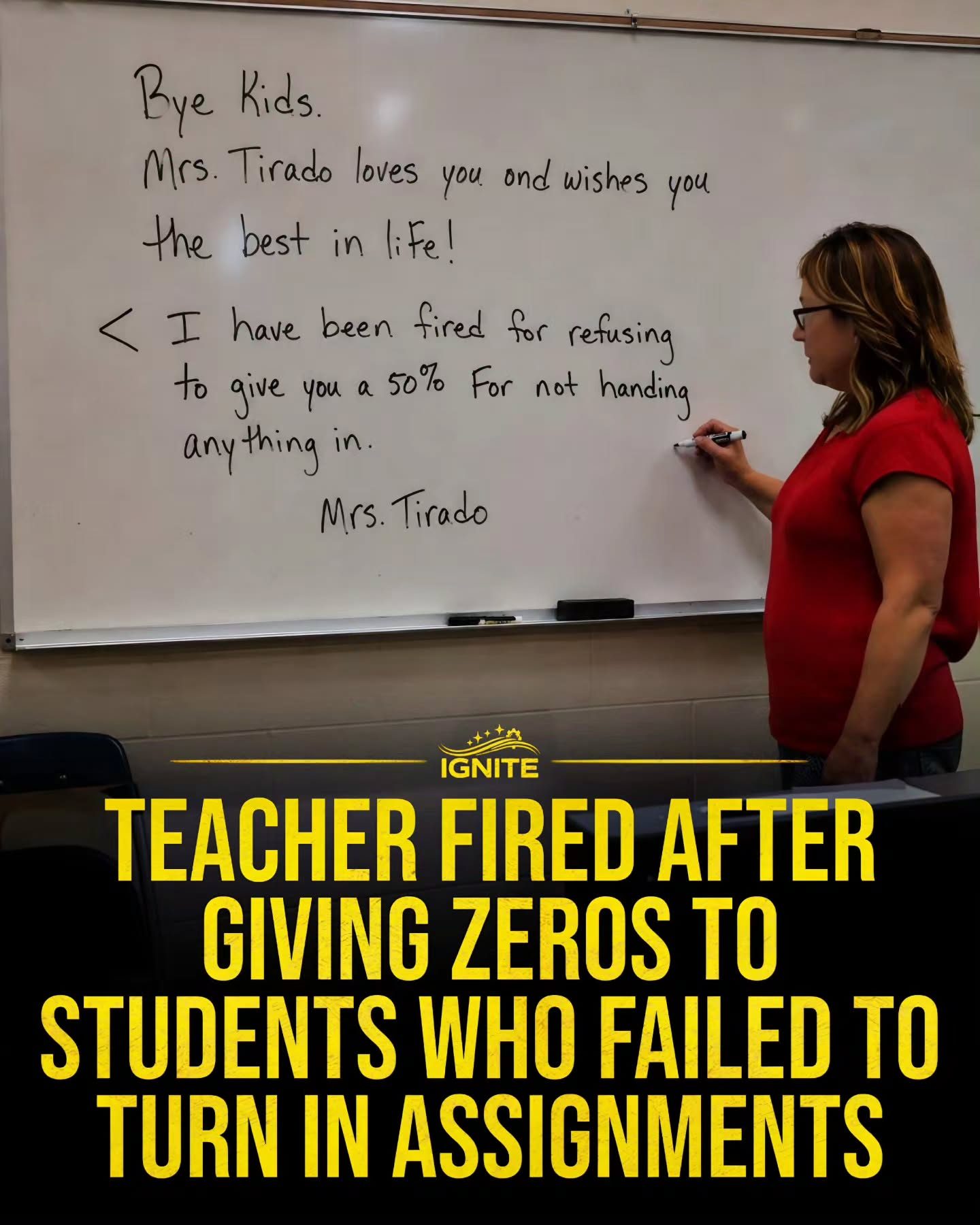
The Controversy Over Grading and Accountability: The Story of Diane Tirado
Diane Tirado, a Florida teacher, was recently fired for a decision that sparked a national debate about grading policies and student accountability. Her dismissal followed a refusal to comply with her school's "no zero" policy, which required teachers to award a minimum of 50% credit to students who failed to submit their assignments. Tirado’s stance on grading has led to a heated conversation about the balance between compassion and accountability in education.
Context: Why This Matters
The debate surrounding Diane Tirado's dismissal raises critical questions about educational policy, grading standards, and student accountability. Students, parents, and educators are grappling with the broader implications of policies like the "no zero" rule. This issue isn't confined to Florida; schools across the country are adopting similar policies, often to mixed reactions. Such debates are crucial as they could influence how schools handle academic performance and student accountability moving forward.
The Details of the Controversy
Diane Tirado's Stance
Diane Tirado, a dedicated educator, adhered to a straightforward grading policy: students who did not submit their assignments received zero credit for that work. This approach is founded on the principle that students should be held accountable for their actions and that completing assignments is a fundamental part of the learning process. Tirado's policy reflects a belief that students should be rewarded based on their effort and performance, rather than receiving arbitrary grades for incomplete work.
The "No Zero" Policy
The "no zero" policy, which mandates a minimum of 50% credit for missing assignments, is designed to be more lenient. Proponents argue that this policy encourages students to complete their work by offering a safety net, while critics like Tirado believe it undermines the value of effort and diligence. Schools implementing this policy often aim to support students who may struggle with motivation or face challenges, ensuring they are not penalized too harshly for incomplete work. However, this policy can also be seen as rewarding students who do not put forth their best effort, potentially fostering a culture of complacency.
Main Discussion
The Impact on Student Motivation
One of the central arguments against the "no zero" policy is that it diminishes student motivation. When students know they will receive at least 50% credit for incomplete assignments, they may be less inclined to complete their work. This lack of motivation can lead to a cycle where students consistently fail to turn in assignments, relying on the safety net of the 50% mark. Teachers often struggle with the implications of this policy, as it can be challenging to differentiate between students who are genuinely struggling and those who are taking advantage of the system.
The Role of Accountability
Teacher Diane Tirado's stance emphasizes the importance of accountability in education. When students are held accountable for their actions, they are more likely to take their work seriously and strive for better performance. Accountability teaches students that their efforts have consequences, both positive and negative. This lesson is crucial not only in an academic setting but also in life. By upholding strict grading standards, Tirado aimed to instill a sense of responsibility and self-discipline in her students, preparing them for future challenges.
The Emotional Toll
The emotional impact of such policies is another critical aspect of the debate. Teachers often find themselves in a difficult position, torn between enforcing strict grading policies and providing support to struggling students. The emotional toll can be significant, as teachers may feel they are either being too harsh or too lenient. Diane Tirado's heartfelt message to her students underscores this emotional struggle. Her message, "Mrs. Tirado loves you and wishes you the best in life!" reveals a teacher deeply invested in her students' well-being, while also standing firm in her beliefs about accountability.
Practical Tips
For educators navigating similar situations, it is essential to balance compassion with the need for accountability. Here are some practical tips:
Clear Communication
Clear communication with parents and students is key. When implementing grading policies, ensure that students and their families understand the reasons behind the decisions. This transparency can help build trust and foster a collaborative environment.
Support Systems
Establish support systems for students who struggle with completing assignments. This could include tutoring programs, counseling services, and resources to help students manage their workload and time effectively.
Flexible Grading
Consider implementing flexible grading options that reward effort and progress, rather than penalizing incomplete work. For example, allowing students to earn extra credit through additional assignments or projects can incentivize participation without compromising academic standards.
Important Takeaways
The story of Diane Tirado highlights the complexities of grading policies and student accountability. It underscores the need for a balanced approach that considers both the academic integrity of grading and the emotional well-being of students. Educators, parents, and policymakers must work together to create policies that support student success while fostering a sense of responsibility and achievement.
Conclusion
Diane Tirado's dismissal has sparked a national conversation about grading policies and student accountability. The debate highlights the need for a balanced approach that values both academic integrity and student well-being. As educators, parents, and policymakers continue to navigate these issues, it is essential to consider the broader implications of grading policies and their impact on student motivation, accountability, and emotional health.
By fostering an environment that supports both academic excellence and emotional well-being, we can create a more effective and compassionate educational system.
Questions readers ask
Why was Diane Tirado fired from her teaching position in Florida?
Diane Tirado was fired for refusing to implement the 'no zero' policy, which mandates that teachers award a minimum of 50% credit for incomplete or missing assignments. Tirado believed this policy undermined student accountability and academic standards, leading to her dismissal.
What is the 'no zero' policy, and why is it controversial?
The 'no zero' policy requires that students receive a minimum of 50% credit even if they fail to submit assignments. This policy is controversial because it blurs the line between completed and incomplete work, potentially lowering academic standards and reducing students' incentives to complete assignments.
How does the 'no zero' policy affect student accountability?
Critics argue that the 'no zero' policy diminishes student accountability by not penalizing incomplete work. Students may feel less motivated to complete assignments, knowing they will receive at least partial credit regardless of their effort. This can lead to a lack of discipline and a decline in academic rigor.
What are the potential benefits of the 'no zero' policy?
Proponents of the 'no zero' policy believe it encourages students to engage with material they might otherwise avoid, potentially boosting their overall learning. However, this benefit is often debated, as it may also enable students to avoid consequences for incomplete work, thereby reducing their sense of responsibility.
What are the broader implications of Diane Tirado's dismissal for Florida's education policy?
Diane Tirado's dismissal has sparked a broader discussion about grading policies and student accountability in Florida. It raises questions about how schools balance compassion with the need to maintain academic standards, as well as the role of teachers in setting and enforcing these standards.
How have students, parents, and educators responded to the controversy?
The controversy has sparked a range of reactions. Some students and parents support the 'no zero' policy, believing it reduces stress and encourages participation. Others, along with many educators, argue that it undermines the purpose of grades and academic standards by not accurately reflecting student effort and achievement.
What alternatives are there to the 'no zero' policy that balance accountability and compassion?
Alternatives to the 'no zero' policy include allowing partial credit for incomplete work, offering extra credit opportunities, or implementing a system where students can retake assignments to improve their grades. These methods aim to strike a balance between holding students accountable and providing support for those who struggle with assignments.
Related deep dives
Similar reads based on topic and creator.


Recent articles
Fresh deep dives from the latest Reels we unpacked.




Comments
Be the first to comment.