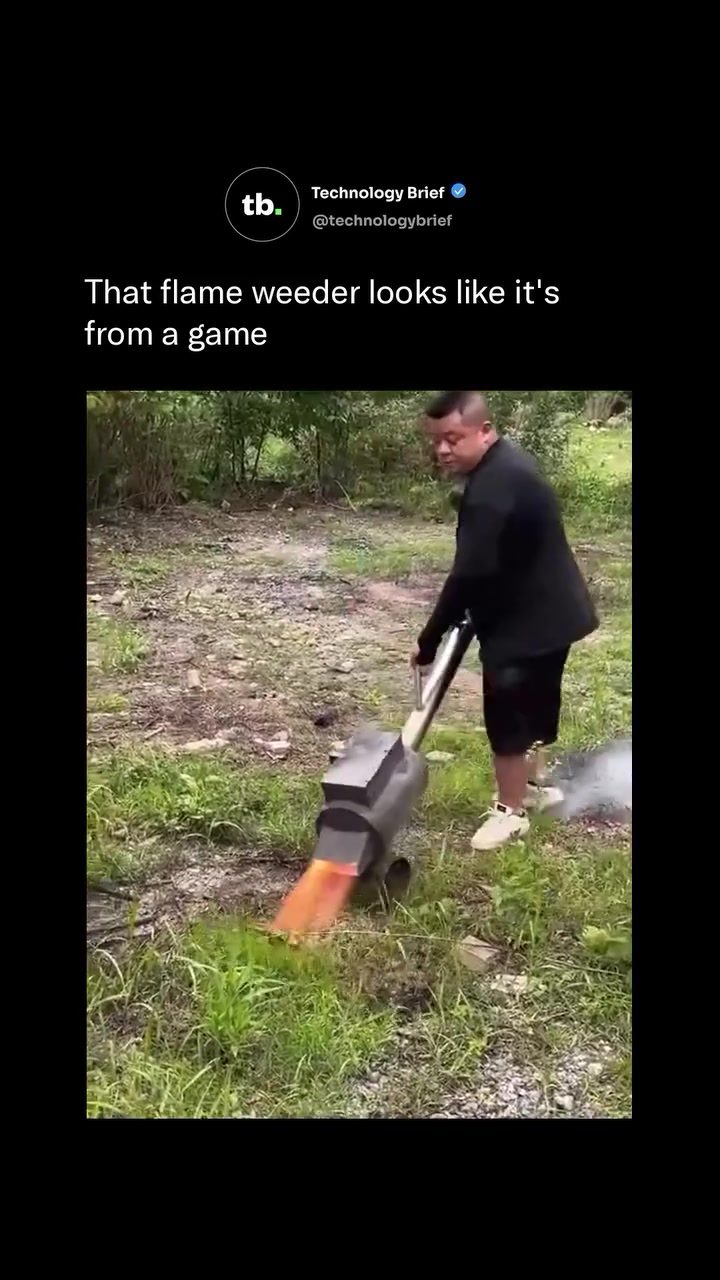
Flame Weeding: A Chemical-Free Weed Control Method
Flame weeding is a chemical-free method of clearing unwanted plants that has been used in agriculture for over a century. This method involves using a flame weeder, a device that emits intense heat to kill weeds. The process is both effective and environmentally friendly, making it a popular choice among gardeners and farmers alike.
Why Flame Weeding Matters
Flame weeding has gained significant attention in recent years due to its effectiveness and eco-friendly nature. This method of weed control has been used in agriculture since the 1950s and was patented as far back as 1852. It provides a viable alternative to chemical herbicides, which can leave toxic residues in the soil and groundwater. This makes flame weeding particularly attractive for use on organic farms, where chemical herbicides are not an option.
Flame Weeding: How It Works
Flame weeding utilizes high temperatures to kill weeds. The intense heat, which can reach up to 2,500°F, causes the water inside plant cells to boil. This rapid boiling ruptures the cell walls, effectively killing the weed within days. Unlike traditional burning methods, flame weeding does not turn the weeds to ash. Instead, it deals a precise, non-toxic blow to the weeds, leaving the soil largely unaffected.
The Science Behind Flame Weeding
The effectiveness of flame weeding lies in the precise application of heat. When the flame weeder is passed over the weeds, the intense heat targets the water within the plant cells. This water boils quickly, creating an internal pressure that bursts the cell walls. This process is effective because it disrupts the plant's internal structure, causing it to die.
Types of Flame Weeders
Flame weeders come in various sizes and configurations, making them suitable for different applications. They range from small handheld torches to large tractor-pulled machines. The device shown in the demonstration is a wheeled model, where a propane tank or wood-burning chamber sits on a cart and connects to a flame-throwing wand. This design allows for easy maneuverability and control, making it ideal for both home gardens and commercial farms.
Effectiveness on Different Weed Sizes
Flame weeding is most effective on young weeds that are 1 to 4 inches tall. A single slow pass with the flame weeder is nearly 100% effective at killing these plants. This is because the young weeds have not yet developed deep root systems, making them more susceptible to the heat. Older, more established weeds may require multiple passes or additional treatments to be fully eradicated.
Environmental Benefits
One of the key advantages of flame weeding is that it leaves no toxic residue in the soil or groundwater. This makes it an eco-friendly option for weed control, especially in organic farming. Additionally, because the soil is never tilled, no buried weed seeds are brought to the surface to germinate. This helps in maintaining soil health and reducing the spread of weeds over time.
Practical Tips for Flame Weeding
To get the most out of flame weeding, consider the following practical tips:
Choosing the Right Flame Weeder
When selecting a flame weeder, consider the size of the area you need to treat and the types of weeds you are dealing with. For small gardens or spot treatments, a handheld torch may be sufficient. For larger areas, a wheeled model or a tractor-pulled machine may be more efficient.
Timing Your Weeding
Timing is crucial when using a flame weeder. Young weeds are easier to kill, so it's best to treat them as soon as they appear. Regular weeding can help prevent weed growth from getting out of control.
Safety Precautions
Flame weeders use high temperatures, so safety is paramount. Always wear protective clothing and gloves, and avoid flammable materials near the weeding area. Keep a fire extinguisher or water source nearby in case of emergencies.
Maintenance and Care
Regular maintenance of your flame weeder will ensure it operates efficiently. Check the fuel levels, clean the wand, and inspect the cart for any damage. Proper care will extend the life of your equipment and ensure it performs well for years to come.
Important Takeaways
Flame weeding is a proven, chemical-free method of weed control that offers numerous benefits for gardeners and farmers. The intense heat generated by the flame weeder effectively kills weeds without leaving toxic residues. This method works best on young weeds, making regular weeding essential for effective control. With the right equipment and safety precautions, flame weeding can be a valuable addition to your gardening or farming toolkit.
Conclusion
Flame weeding is a versatile, eco-friendly method of weed control that has stood the test of time. Whether you're managing a small home garden or a large commercial farm, flame weeding offers an effective solution to unwanted plants. By understanding how flame weeders work and following practical tips for their use, you can enjoy a weed-free space without compromising the environment.
Questions readers ask
What is flame weeding and how does it work?
Flame weeding is a method of weed control that uses intense heat to kill unwanted plants. The process involves using a flame weeder, a device that directs a flame onto the weeds, causing them to dry out and die within a few days.
Is flame weeding safe for the environment?
Yes, flame weeding is considered an eco-friendly weeding method. It does not involve the use of chemical herbicides, which can leave toxic residues in the soil and groundwater, making it a safe and natural alternative to chemical-based solutions.
What are the benefits of using a flame weeder?
Flame weeders offer several benefits, including quick weed killing, eco-friendliness, and cost-effectiveness. They are also easy to use and can be employed in various environments, from large farms to small home gardens.
How soon after flame weeding can I plant new seeds?
After flame weeding, it is generally safe to plant new seeds within a few days. However, it is important to ensure that the soil has cooled down sufficiently to avoid damaging the new plants. Always follow the manufacturer's guidelines for the specific flame weeder you are using.
What safety precautions should I take when using a flame weeder?
When using a flame weeder, it is essential to wear protective clothing, including gloves and safety glasses. Keep a safe distance from flammable materials. Always operate the device in a well-ventilated area and avoid using it on windy days to prevent accidental fires.
Related deep dives
Similar reads based on topic and creator.
Recent articles
Fresh deep dives from the latest Reels we unpacked.


Comments
Be the first to comment.