Car Seat Safety: How Firefighters Comfort a Child After a Minor Accident
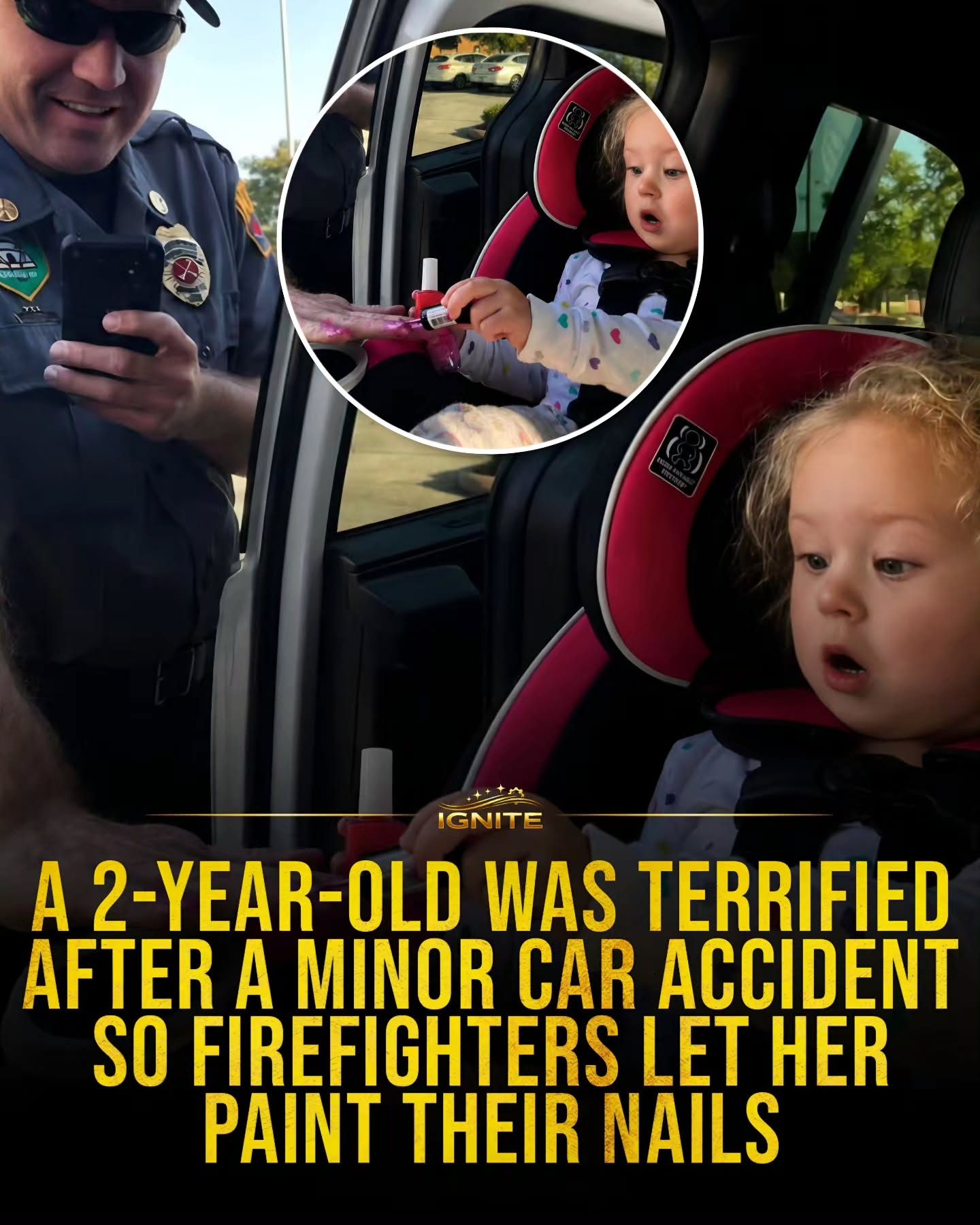
After a minor car accident, the unexpected can happen, and it is important to know how to comfort a child. A recent incident involving a two-year-old child demonstrates how first responders can turn a stressful situation into a comfortable and positive experience.
In this case, firefighters from the IGNITE team had to deal with a terrified child. After the minor accident, the child was crying in the car seat, and the firefighters had to act quickly to calm her down. Their solution was both creative and effective.
Why This Matters
Children, especially younger ones, can be deeply affected by traumatic events, including car accidents. Even minor incidents can leave a lasting impact on a child's psyche, making it crucial for first responders to handle these situations with care and empathy.
The Impact of Comfort and Distraction
The Role of First Responders
First responders, including firefighters, play a vital role in providing immediate comfort and support to injured or distressed individuals. Their actions can significantly influence how a child perceives and copes with the aftermath of an accident. In this case, the firefighters' quick thinking and creative approach helped to alleviate the child's fears and turned a potentially traumatic experience into a positive one.
The Power of Distraction
Distraction can be a powerful tool in managing a child's stress and anxiety. By allowing the child to paint their nails, the firefighters shifted the child's focus from the accident to a fun and engaging activity. This not only provided immediate comfort but also created a positive memory that the child could associate with the incident.
Building Trust and Connection
The act of allowing the child to paint their nails also built a sense of trust and connection between the firefighters and the child. This interaction showed the child that the firefighters were there to help and care for her, further easing her anxiety and fostering a positive relationship.
Practical Tips for Comforting a Child After an Accident
While the situation involving the firefighters was unique, there are some general tips that can help in comforting a child after a car accident.
Stay Calm and Reassuring
Children often pick up on the emotions of those around them. It is important to stay calm and reassuring, speaking in a soothing voice and using comforting words. Explain what is happening in simple terms that the child can understand.
Provide Distractions
Distractions can be very effective in calming a child. Bring along a favorite toy, book, or another distraction that the child enjoys. If possible, engage the child in an activity that will take their mind off the accident.
Show Empathy and Understanding
Acknowledge the child's feelings and show empathy. Let the child know that it is okay to feel scared or upset, and that you are there to help. Offer words of comfort and reassurance, and allow the child to express their emotions.
Be Patient and Gentle
Handle the child with care and gentleness. Be patient and give the child time to calm down. Avoid rushing or forcing the child to do anything that might cause further distress.
Seek Professional Help if Needed
If the child appears to be deeply affected by the accident, it may be helpful to seek professional help. A child psychologist or therapist can provide additional support and strategies to help the child cope with the experience.
Important Takeaways
The incident involving the firefighters from the IGNITE team highlights the importance of creative and empathetic approaches in handling stressful situations involving children. By allowing the child to paint their nails, the firefighters successfully turned a potentially traumatic experience into a positive one. This approach not only provided immediate comfort but also built a sense of trust and connection between the child and the first responders.
The use of distraction and empathy in comforting a child after a car accident can significantly impact the child's perception of the event and their ability to cope with the aftermath. First responders, caregivers, and parents can learn from this approach and apply similar strategies to help children in similar situations.
Conclusion
Handling a child's stress and anxiety after a car accident requires a combination of empathy, patience, and creative thinking. By staying calm, providing distractions, and showing understanding, first responders and caregivers can turn a difficult situation into a positive experience. The firefighters from the IGNITE team demonstrated the effectiveness of this approach, providing a valuable lesson for anyone who may find themselves in a similar situation.
Questions readers ask
How can firefighters help reassure a child after a minor car accident?
Firefighters can use non-threatening and engaging techniques to help children feel comfortable. In one example, firefighters painted the child's nails purple, which helped to calm the child by distracting her from the situation and creating a positive interaction. This helped to turn a scary situation into a positive memory for the child.
Why is it important to comfort a child immediately after an accident?
Children, especially young ones, can be deeply affected by traumatic events like car accidents. Comforting a child immediately can help to mitigate the lasting psychological impact of the incident by making the child feel safe and secure. First responders can play a crucial role in this process by offering reassurance and using creative methods to soothe the child.
What are some techniques firefighters can use to soothe a child during or after an accident?
In addition to offering comfort and reassurance, firefighters can engage a child by offering something like nail polish. Firefighters can also provide a favorite toy, or sing a song to calm a child and help them feel safe. These techniques help to distract the child from the traumatic event and create a positive experience.
How can parents prepare their children for potential accidents or emergencies?
Parents can help their children feel more secure by discussing potential emergencies in an age-appropriate manner. This can help to demystify the experience and reduce fear. Additionally, parents can emphasize that first responders, like firefighters, are there to help and keep them safe. It's also a good idea to have favorite items, like a toy or blanket, available for them after an accident.
What should bystanders do to help a child after an accident?
Bystanders can assist by offering reassurance and support to the child, as a first responder might be focused on other tasks. If you are comfortable, you can offer the child a favorite toy or object, or engage them in a quiet, calming activity like drawing or listening to a song. If the child is trapped in a vehicle, let the first responders handle the rescue, and avoid getting in the way.
How can firefighters help children remember the experience positively?
Firefighters can turn a potentially traumatic experience into a positive memory by engaging the child in a fun, non-threatening activity, like painting their nails. This distraction technique helps to associate the emergency with a positive experience, which can help to mitigate the lasting psychological impact of the event. By reassuring the child and creating a positive interaction, firefighters can help the child remember the incident as something that ended well, with a fun memory.
Related deep dives
Similar reads based on topic and creator.

Recent articles
Fresh deep dives from the latest Reels we unpacked.




Comments
Be the first to comment.