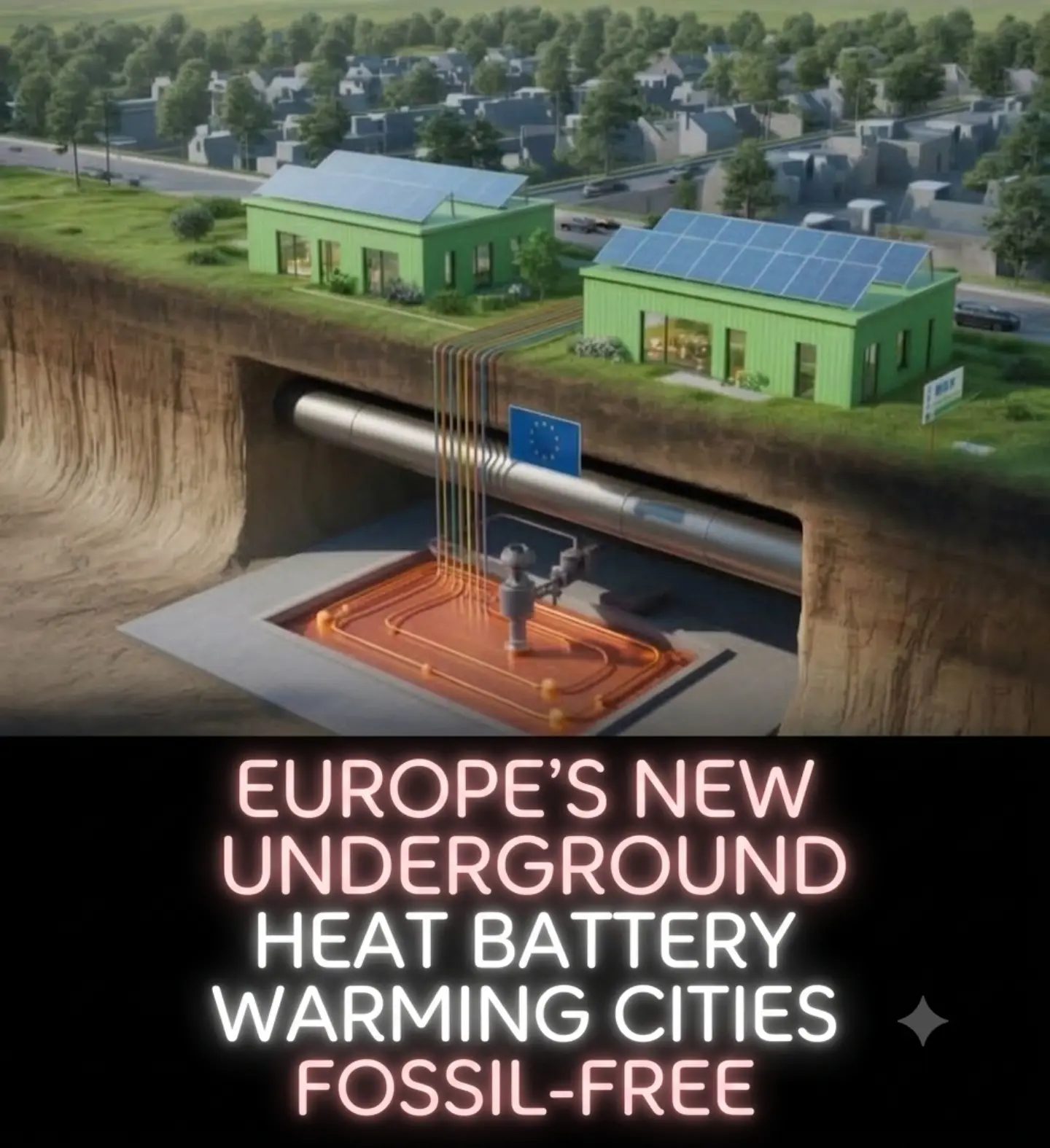
Underground Heat Batteries: Revolutionizing Urban Heating
Underground heat batteries are emerging as a groundbreaking solution for urban heating, particularly in regions with harsh winters. These innovative energy storage systems harness and store thermal energy, providing a sustainable and efficient way to warm cities without relying on fossil fuels.
Why This Matters
As the world shifts towards renewable energy sources, the challenge of storing and distributing thermal energy efficiently becomes increasingly important. Traditional heating systems often depend on fossil fuels, which contribute to greenhouse gas emissions and climate change. Underground heat batteries offer a cleaner, more sustainable alternative, paving the way for zero-emission urban heating solutions.
How Underground Heat Batteries Work
Storing Summer Heat
Underground heat batteries, often referred to as "sand batteries," operate on the principle of seasonal thermal energy storage (STES). During the summer months, when temperatures are high, these systems capture excess heat from various sources, including ambient air, industrial waste heat, and clean energy generated by solar and wind installations. This captured heat is then pumped into deep underground caverns filled with water or sand, where it is insulated and stored for months.
Distribution During Winter
As winter approaches and temperatures drop, the stored heat is distributed through district heating networks. These networks consist of insulated pipes that transport the thermal energy to homes, businesses, and other buildings, providing a reliable and fossil-free heating solution. The system's design ensures that the heat is retained efficiently, minimizing losses and maximizing the energy's utility.
Key Components and Design
Underground Caverns
The heart of an underground heat battery lies in its underground caverns. These caverns are typically filled with materials like water or sand, which have excellent thermal retention properties. The material acts as a thermal reservoir, allowing the heat to be stored for extended periods without significant loss.
Insulation and Piping
Proper insulation is crucial for the efficiency of underground heat batteries. The caverns and piping systems are designed to minimize heat loss, ensuring that the stored energy remains available for distribution during the winter months. Advanced insulation materials and techniques are used to maintain the thermal integrity of the system.
Energy Sources
Underground heat batteries can utilize a variety of energy sources, including ambient summer heat, industrial waste heat, and clean energy from renewable sources like solar and wind. This versatility makes the system highly adaptable and suitable for various urban environments.
Distribution Network
The distribution network plays a vital role in delivering the stored heat to end-users. District heating networks consist of insulated pipes that transport the thermal energy from the underground storage to homes, businesses, and other buildings. These networks are designed to be efficient and reliable, ensuring that the heat is delivered where it is needed.
Practical Tips for Implementing Underground Heat Batteries
Assessing Local Conditions
Before implementing an underground heat battery, it is essential to assess local conditions, including geology, climate, and available energy sources. This assessment will help determine the feasibility and efficiency of the system in a specific location.
Designing the System
The design of an underground heat battery should consider factors such as the size of the storage caverns, the type of insulation, and the distribution network. A well-designed system will maximize energy efficiency and minimize heat loss.
Utilizing Renewable Energy
Integrating renewable energy sources like solar and wind into the system can further enhance its sustainability. By utilizing clean energy, the underground heat battery can reduce reliance on fossil fuels and contribute to a greener urban environment.
Community Engagement
Engaging the community in the planning and implementation process is crucial for the success of an underground heat battery. Community involvement can help address concerns, gather support, and ensure that the system meets the needs of the local population.
Important Takeaways
Sustainability
Underground heat batteries offer a sustainable solution for urban heating, reducing reliance on fossil fuels and contributing to a cleaner environment. The system's ability to store and distribute thermal energy efficiently makes it a viable option for communities looking to transition to renewable energy sources.
Efficiency
The design and components of underground heat batteries are optimized for energy efficiency, minimizing heat loss and maximizing the utility of stored energy. This efficiency ensures that the system can provide reliable heating even during the coldest winter months.
Adaptability
Underground heat batteries can utilize a variety of energy sources, making them highly adaptable to different urban environments. Whether capturing ambient summer heat, industrial waste heat, or clean energy from renewable sources, these systems can be tailored to meet the specific needs of a community.
Future Prospects
As the demand for sustainable and efficient heating solutions continues to grow, underground heat batteries are poised to play a significant role in urban heating. Their ability to store and distribute thermal energy without relying on fossil fuels makes them an attractive option for communities seeking to reduce their carbon footprint.
Conclusion
Underground heat batteries represent a significant advancement in thermal energy storage, offering a sustainable and efficient solution for urban heating. By capturing and storing excess heat during the summer and distributing it during the winter, these systems provide a reliable and fossil-free heating option for communities. As the world continues to shift towards renewable energy, underground heat batteries are set to become an integral part of the sustainable urban infrastructure.
Questions readers ask
How do underground heat batteries, or 'sand batteries,' store heat?
Underground heat batteries store heat by capturing thermal energy generated during the summer months. This energy is then transferred and stored in large underground caverns filled with sand or other suitable materials, which retain the heat efficiently. This stored heat can then be retrieved and distributed during colder winter months.
What makes underground heat batteries a sustainable heating solution?
Underground heat batteries are sustainable because they rely on renewable energy sources, such as solar power, to capture and store heat. By eliminating the need for fossil fuels, these systems significantly reduce greenhouse gas emissions, making them an eco-friendly alternative for winter heating.
Can underground heat batteries be integrated into existing urban infrastructure?
Yes, underground heat batteries can be integrated into existing urban infrastructure. These systems can be installed in various urban settings, including residential and commercial buildings, and can work in conjunction with existing heating systems to provide a more sustainable and efficient heating solution.
How does the seasonal energy storage process work in underground heat batteries?
Seasonal energy storage in underground heat batteries involves capturing excess heat generated during the warmer months and storing it for use during the colder months. This process ensures a continuous supply of heat throughout the year, making it an effective solution for regions with significant temperature variations.
What role do sand batteries play in Finland's heating revolution?
Sand batteries are at the forefront of Finland's heating revolution by providing a fossil-free heating solution. These batteries store solar energy during the summer and release it during the winter, reducing the country's dependence on non-renewable energy sources and contributing to a more sustainable energy landscape.
Are underground heat batteries suitable for regions without harsh winters?
Yes, underground heat batteries can be beneficial in regions without harsh winters as well. They can be used to store excess heat generated during the spring and summer months for distribution during cooler fall and winter periods, providing a more efficient and sustainable approach to heating throughout the year.
What are the benefits of using underground heat storage for urban heating?
Underground heat storage offers several benefits for urban heating, including reduced reliance on fossil fuels, lower greenhouse gas emissions, and improved energy efficiency. These systems can store large amounts of thermal energy, providing a reliable and sustainable source of heat for urban communities year-round.
Recent articles
Fresh deep dives from the latest Reels we unpacked.




Comments
Be the first to comment.