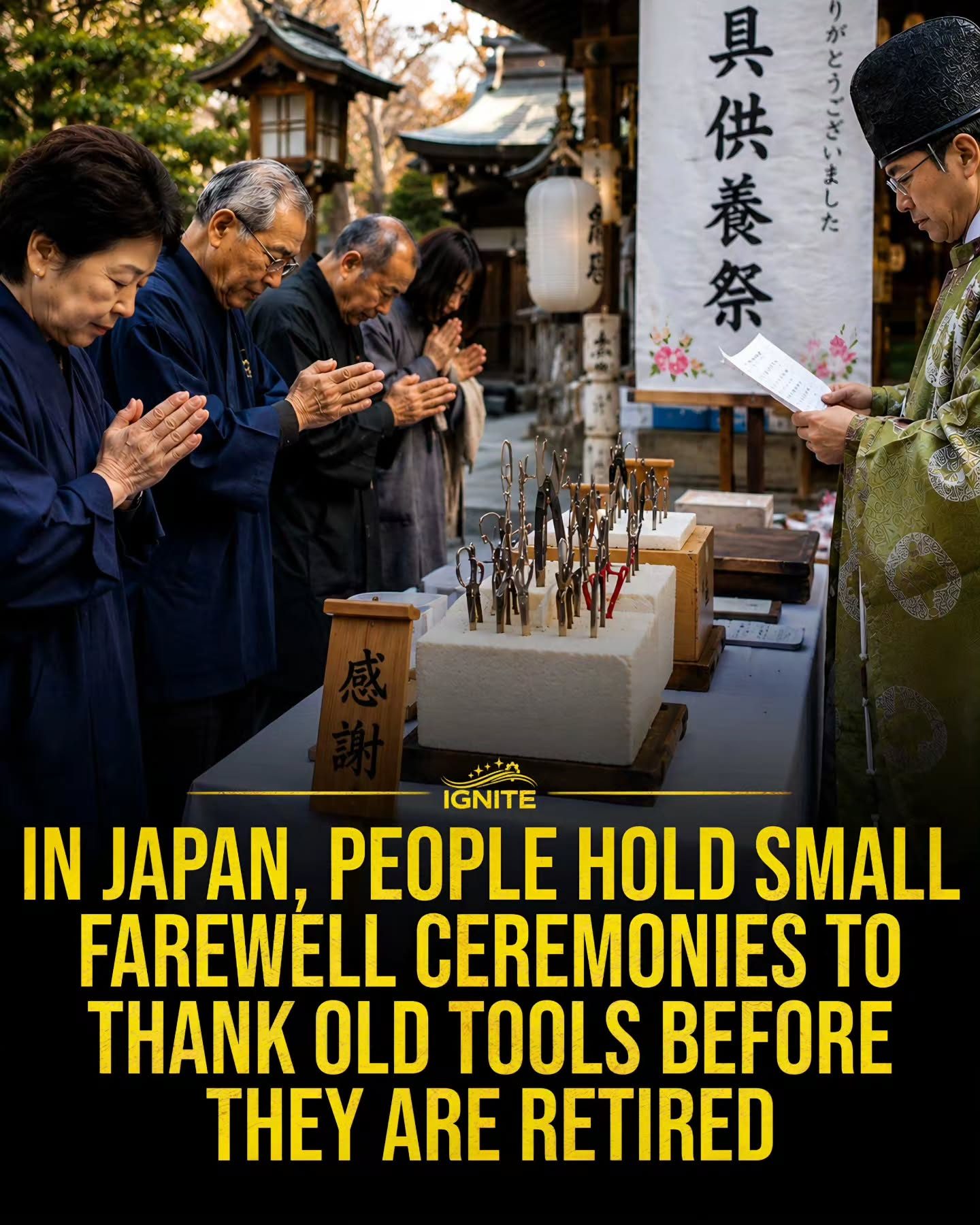
Japanese Farewell Ceremony for Tools
The Japanese farewell ceremony for tools is a deeply rooted cultural practice that honors the tools humans use daily. This ritual is a way to express gratitude for the service these tools have provided and to acknowledge their retirement with dignity and respect.
Why This Matters
In a world where everything is disposable, this ceremony emphasizes respect for the tools that have served us diligently. It encourages mindfulness and appreciation for the objects that facilitate our daily tasks, fostering a deeper connection between people and their tools. It's a powerful reminder to value the things we use and the significance of saying thank you.
The Significance of the Ceremony
The Japanese farewell ceremony for tools, known as "Kansha no Shuchen," is a poignant ritual. This practice reflects the Japanese cultural values of respect, gratitude, and mindfulness. The ceremony involves a group of people, often monks, who gather to honor their tools.
The Ritual Process
The ceremony typically begins with the participants bowing before a table adorned with various tools and offerings. The tools are often placed on a special altar or table, and the participants bow in front of them as a sign of respect. The ceremony is a quiet, dignified event, filled with a sense of reverence for the tools.
The Meaning of Gratitude
The word "感謝" (kansha) in Japanese translates to "gratitude." It is a central theme in this ceremony. The on-screen text "ありがとうございました" (Arigatou gozaimashita) means "Thank you very much" in Japanese. This phrase is often repeated during the ceremony as a way to express deep gratitude for the service and effort provided by the tools.
The Role of Offerings
Offerings are an integral part of the ceremony. They usually include items like fruits, sweets, and incense. These offerings are a way to honor the tools and give them a fitting send-off. The offerings are often placed on the altar alongside the tools, symbolizing the connection between the tools and the people who use them.
Practical Tips for Performing a Farewell Ceremony
If you're inspired to perform a Japanese farewell ceremony for your tools, here are some practical tips to help you get started:
Choose the Right Tools
Select the tools that have served you well and have reached the end of their useful life. These could be anything from kitchen utensils to gardening tools. The key is to choose tools that have been a significant part of your daily routine.
Prepare the Altar
Set up a small altar or table where you can place the tools. Arrange the tools neatly on the altar, along with any offerings you wish to include. The altar should be a place of respect and honor, so take the time to make it look inviting and peaceful.
Perform the Bowing Ritual
Stand in front of the altar and perform a deep bow to show your gratitude for the tools. You can also say a few words of thanks, expressing your appreciation for the tools' service. The bowing ritual is a sign of respect and a way to acknowledge the tools' contribution to your life.
Reflect on the Ceremony
Take a moment to reflect on the ceremony and the significance of the tools in your life. This is a time to appreciate the things you often take for granted and to acknowledge the role they play in your daily activities.
Important Takeaways
The Japanese farewell ceremony for tools is a beautiful and meaningful ritual that encourages mindfulness and gratitude. It serves as a reminder to value the tools we use and to appreciate the effort they put in for us.
This ceremony is also a way to foster a deeper connection with the objects that facilitate our daily tasks. By performing this ritual, we can cultivate a sense of respect and gratitude for the things around us, ultimately enriching our lives.
Conclusion
Participating in a Japanese farewell ceremony for tools is a profound way to express gratitude and respect for the tools that have served us. It's a simple yet powerful ritual that can have a lasting impact on our lives, reminding us to be mindful and appreciative of the objects we use daily. So, the next time you retire a tool, consider performing this ceremony to honor its service and give it a dignified farewell.
Questions readers ask
What is the purpose of the Kansha no Shuchen ceremony in Japanese culture?
The Kansha no Shuchen ceremony is a Japanese tradition that pays tribute to the tools we use in our everyday lives. It serves as a way to express gratitude for the service these tools have provided and to acknowledge their retirement with respect and dignity. This ceremony is deeply rooted in Japanese culture and reflects the country's values of mindfulness and appreciation for the objects that facilitate daily tasks.
How does the Japanese farewell ceremony for tools align with Buddhist practices?
The Japanese farewell ceremony for tools aligns with Buddhist practices by emphasizing mindfulness, gratitude, and respect for all things. This ceremony encourages individuals to be present and appreciative of the tools they use, acknowledging the role these tools play in their lives, and saying thank you before they are retired or discarded. The ritual aligns with Buddhist principles of non-attachment and impermanence, promoting a deeper connection between people and their tools.
Can the Kansha no Shuchen ceremony be performed for any type of tool?
Yes, the Kansha no Shuchen ceremony can be performed for any type of tool that has been used and is now being retired. This ceremony is not limited to a specific set of tools, and it offers a meaningful way to express gratitude for the service provided by tools of all kinds. Whether it's a simple kitchen utensil or a complex piece of machinery, the ceremony is a way to acknowledge the useful life of the tool and to say goodbye respectfully.
How can the Japanese tool gratitude ritual be incorporated into daily life?
The Japanese tool gratitude ritual can be incorporated into daily life by taking a moment to appreciate the tools you use regularly. This can be as simple as pausing to express gratitude for a tool you use every day, such as your coffee maker or your phone. The goal is to foster a deeper connection with these tools by acknowledging their importance and saying thank you.
Is the Japanese farewell ceremony for tools a solitary or communal event?
The Kansha no Shuchen ceremony can be performed as either a solitary or a communal event. Some individuals may choose to perform the ceremony alone, taking a moment to reflect on the tools they have used and to express their gratitude in private. Others may prefer a more communal approach, gathering with friends or family to honor the tools together. Both approaches are valid and can be meaningful in their own way.
What happens to the tools after the Kansha no Shuchen ceremony?
After the Kansha no Shuchen ceremony, the tools are typically retired with respect and dignity. This can involve passing them on to someone else who can use them, donating them to a charity, or simply discarding them in an appropriate manner. The key is to ensure that the tools are handled with care and respect, even as they are removed from use. The ceremony encourages a deeper connection between people and their tools, and this connection continues even after the tools have been retired.
What other cultures have similar rituals to the Japanese tool gratitude ritual?
While the Kansha no Shuchen ceremony is unique to Japanese culture, other cultures also have rituals that express gratitude and respect for tools and objects. For example, some Native American cultures have ceremonies to honor and thank the tools used for hunting and gathering. Similarly, some Scandinavian cultures have traditions of blessing and honoring tools used in crafts and agriculture. These rituals share a common theme of mindfulness and appreciation for the objects that facilitate daily tasks.
Recent articles
Fresh deep dives from the latest Reels we unpacked.




Comments
Be the first to comment.