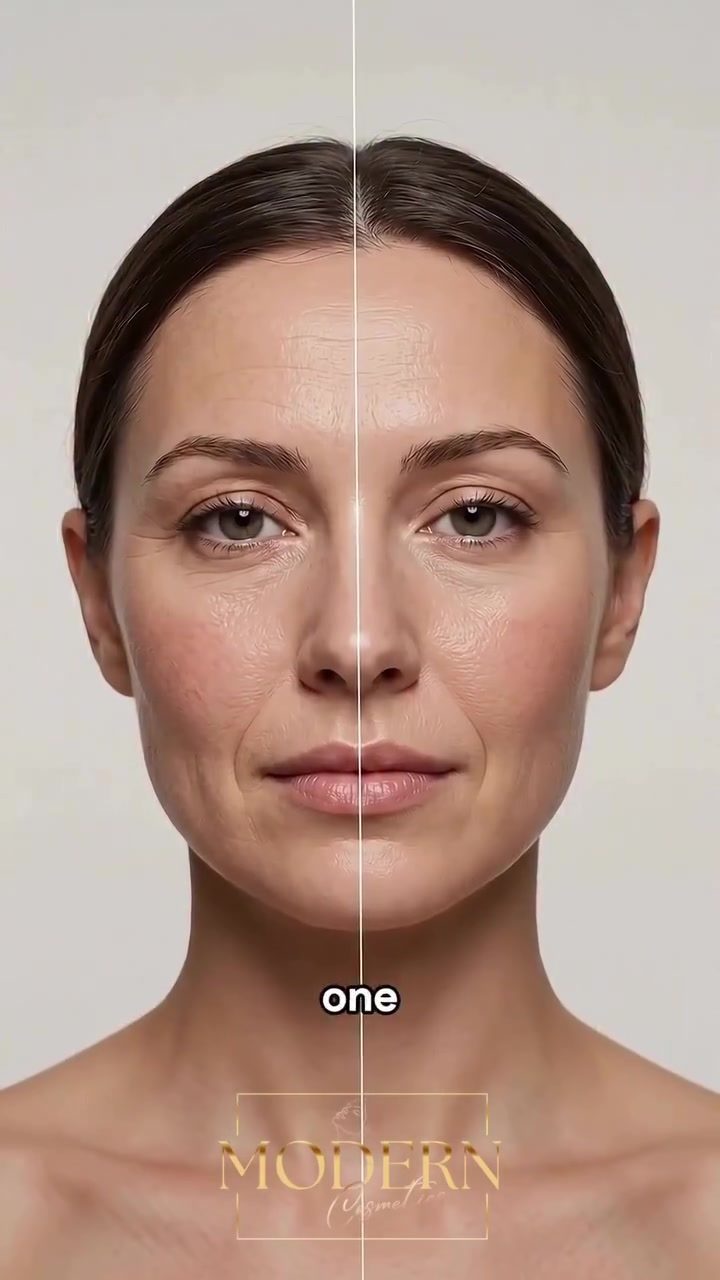
Why Your Face Ages Differently on Each Side
Have you ever noticed that one side of your face seems to age differently than the other? It's a common observation, and it's perfectly normal. This phenomenon is rooted in the complex interplay of facial muscles, sun exposure, sleeping habits, and other factors that contribute to the unique aging process of each side of the face.
Why This Matters
Understanding why your face ages asymmetrically can help you better appreciate the individuality of your features and make more informed decisions about cosmetic treatments. Recognizing the natural asymmetry of the face is the first step in appreciating the unique beauty of every individual.
Facial Muscles and Their Role
The Complexity of Facial Muscles
Facial muscles are responsible for every smile, frown, and expression. These muscles work tirelessly to create the vast array of emotions and reactions that we convey through our faces. However, these muscles do not always operate in perfect symmetry. The left and right sides of the face rarely move in exactly the same way, which contributes to the natural asymmetry that we observe.
Key Facial Muscles
Several key muscles play a crucial role in facial expressions:
- Frontalis: This muscle is responsible for raising the eyebrows and creating forehead wrinkles.
- Orbicularis Oculi: This muscle encircles the eye and is involved in blinking and squinting.
- Buccinator: This muscle helps with chewing and is essential for facial expression.
- Masseter: This muscle is used for chewing and can contribute to jawline definition.
- Zygomaticus Major and Minor: These muscles are involved in smiling and lifting the corners of the mouth.
Factors Contributing to Asymmetry
Muscle Movement
Over time, differences in muscle movement can contribute to one side of the face looking slightly different from the other. For example, a person who frequently squints may develop more pronounced wrinkles around the eyes on that side.
Sun Exposure
Exposure to the sun can also play a significant role in facial aging. The left and right sides of the face may be exposed to different amounts of sunlight, leading to uneven aging. For instance, if you drive frequently, the left side of your face may be more exposed to the sun, leading to more pronounced aging on that side.
Sleeping Habits
Your sleeping position can also impact how your face ages. Sleeping on one side consistently can lead to the development of wrinkles and creases on that side of the face. Over time, this can contribute to a noticeable difference in the appearance of each side.
Genetics and Natural Aging Process
Genetics and the natural aging process also play a significant role in facial asymmetry. Each person's genetic makeup influences how their face ages, and this can lead to unique patterns of wrinkles, creases, and other signs of aging.
Cosmetic Treatments and Personalized Consultations
Understanding Facial Anatomy
Understanding the intricate workings of facial anatomy is crucial for personalized cosmetic consultations. Each face moves, ages, and expresses differently, and a thorough understanding of these differences is essential for effective cosmetic treatments.
Modern Cosmet's Approach
Modern Cosmet, a leading provider of cosmetic treatments, emphasizes the importance of personalized consultations. They believe that every face is unique, and their treatments are tailored to address the specific needs and concerns of each individual. By understanding the nuances of facial anatomy, they can provide treatments that yield natural-looking results.
Common Treatments
Some of the common treatments offered by Modern Cosmet include:
- Botox: This treatment is used to reduce the appearance of wrinkles by relaxing the muscles that cause them.
- Dermal Fillers: These are used to restore volume and smooth out wrinkles.
- Chemical Peels: These treatments help to improve the texture and tone of the skin by removing the outer layer.
- Laser Treatments: These are used to address a variety of skin concerns, including wrinkles, age spots, and uneven skin tone.
Practical Tips for Managing Facial Asymmetry
Protect Your Skin
Protecting your skin from the sun is one of the most effective ways to prevent premature aging. Use a broad-spectrum sunscreen with at least SPF 30 daily, and wear protective clothing, hats, and sunglasses when outdoors.
Adjust Your Sleeping Position
If you tend to sleep on one side, consider switching to a different position. Sleeping on your back can help minimize the development of wrinkles and creases.
Stay Hydrated
Staying hydrated is essential for maintaining youthful-looking skin. Drink plenty of water throughout the day and use a moisturizer to keep your skin hydrated.
Maintain a Healthy Lifestyle
A healthy lifestyle, including a balanced diet and regular exercise, can help slow down the aging process. Eating foods rich in antioxidants, such as fruits and vegetables, can help protect your skin from damage.
Consult a Professional
If you are concerned about facial asymmetry, consider consulting a professional. A personalized consultation can help you understand your unique needs and develop a treatment plan tailored to your specific concerns.
Important Takeaways
- Facial asymmetry is a natural and common part of the aging process.
- Understanding the role of facial muscles, sun exposure, and sleeping habits can help you better manage facial asymmetry.
- Personalized cosmetic consultations are essential for effective treatments.
- Protecting your skin, staying hydrated, and maintaining a healthy lifestyle can help slow down the aging process.
Conclusion
It is natural for the left and right sides of the face to age differently. By understanding the factors that contribute to this asymmetry, you can make more informed decisions about cosmetic treatments and take steps to manage the aging process. Whether you choose to embrace your natural asymmetry or seek professional help, remembering that every face is unique can help you appreciate the beauty of your individual features.
Questions readers ask
Why does one side of my face show more wrinkles than the other?
Facial asymmetry in aging is partly due to differences in muscle use. If you habitually raise one eyebrow more than the other, or smile more on one side, it can lead to more pronounced wrinkles on that side. Additionally, factors like sun exposure and sleeping positions can contribute to this unevenness.
Can sleeping habits affect how my face ages?
Yes, your sleeping position can influence facial aging. Sleeping on one side consistently can lead to sleep wrinkles and asymmetrical aging. These wrinkles occur due to the pressure and tension on your face from the pillow, which causes skin to crease. Try switching up your sleeping position to minimize this effect.
How does sun exposure contribute to asymmetrical facial aging?
Sun exposure can lead to more wrinkles on one side of your face than the other, especially if you spend a lot of time in the sun with one side of your face more exposed. UV rays weaken the skin's collagen and elastin, causing wrinkles and fine lines to appear. Using sunscreen and wearing protective clothing can help prevent this.
Why do different facial muscles cause one side of my face to age faster?
Different facial muscles are used more frequently on one side of the face, which can lead to the development of wrinkles and fine lines. This uneven muscle use can cause one side of the face to age faster, contributing to overall facial asymmetry. Be mindful of your facial expressions and try to balance muscle use on both sides.
Can cosmetic treatments address facial asymmetry in aging?
Yes, various cosmetic treatments like fillers, botox, and chemical peels can help address facial asymmetry. Consulting with a professional to discuss your specific needs and preferences. They can help you determine the best course of action to balance your features and address any concerns related to asymmetrical aging.
How does understanding facial asymmetry help in making cosmetic decisions?
Recognizing the natural asymmetry in your face is crucial when considering cosmetic treatments. It allows you to make informed decisions that enhance your natural features rather than pursuing an unrealistic symmetry. Consult with a professional to understand your unique facial anatomy and the best approach for your cosmetic goals.
Recent articles
Fresh deep dives from the latest Reels we unpacked.




Comments
Be the first to comment.