Japanese Poultry
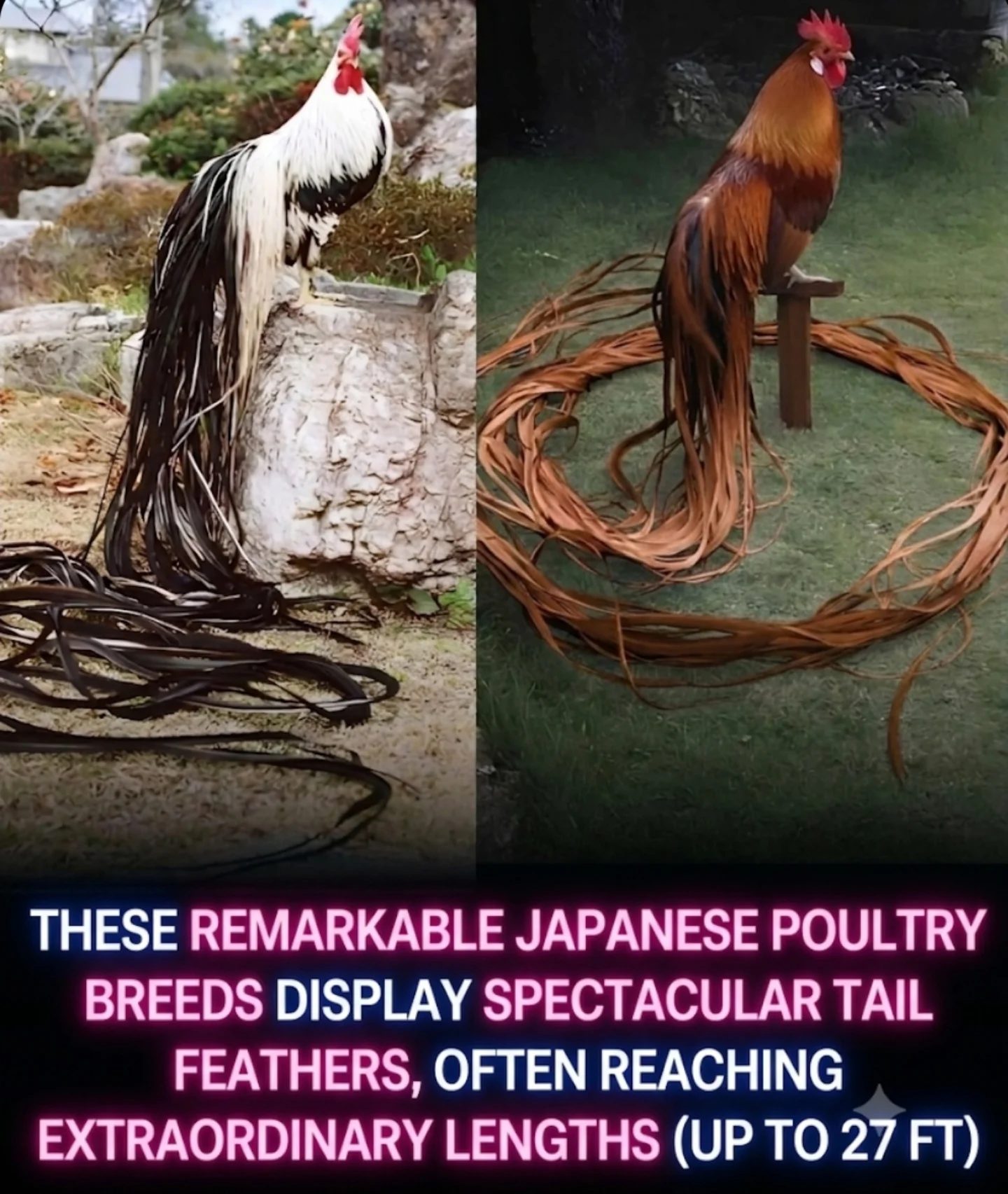
Among the avian world, there are few breeds as striking as the Onagadori, a Japanese chicken breed known for its extraordinarily long tail feathers. Originating in the Kochi Prefecture during the Edo period, these chickens have captivated enthusiasts and breeders with their unique appearance and rich history. Here, we delve into the fascinating world of Onagadori chickens, exploring their origins, unique genetic traits, and the cultural significance that has earned them special protection in Japan.
Why This Matters
Onagadori chickens are more than just a curiosity; they are a symbol of Japanese heritage and natural wonders. Understanding these birds offers a glimpse into the country's rich cultural tapestry and its dedication to preserving unique and remarkable species. Their spectacular tail feathers, which can reach up to 27 feet, are a testament to nature's ability to create something extraordinary.
Origins and History
The Onagadori chicken, meaning "long-tailed chicken," has a long and storied past. Originating in Kochi Prefecture, Japan, during the 17th century, these chickens were initially bred for their unusual tail feathers. By the 1950s, they were designated as a Special Natural Monument of Japan, underscoring their cultural and historical significance. This designation has ensured their survival and conservation, making them one of the most revered domestic avian breeds in the world.
Genetic Mutation: The Secret Behind the Extraordinary Length
The remarkable length of the Onagadori's tail feathers is a result of a unique genetic mutation. Unlike typical chickens, which molt and regrow their feathers annually, Onagadori roosters possess a specific modifier gene. This gene prevents their principal tail coverts and sickle feathers from ever shedding. Consequently, these feathers grow continuously throughout the rooster's life, averaging an increase of about 2 to 3 feet per year. While the longest recorded tail length reached 38 feet, achieving such lengths is incredibly rare in today's world.
Varieties and Colors
Onagadori chickens are not only remarkable for their tail feathers but also for their diverse color variations. The breed is recognized in three primary color varieties in Japan: Black-Breasted White, White, and Light-Brown (Shokaku). The Black-Breasted White, featuring a stark white body and a cascading river of dark black and silver-streaked tail feathers, is perhaps the most iconic. The Shokaku, or Brown, variant, offers a beautiful reddish-brown hue, adding to the breed's aesthetic appeal.
Practical Tips for Observation and Care
While Onagadori chickens are a sight to behold, caring for them and observing their growth requires specific knowledge. If you have the opportunity to observe or care for these birds, consider the following tips:
Habitat and Environment
Onagadori chickens thrive in spacious, natural settings. Ensure they have ample room to move around and stretch their exceptionally long tail feathers. A secure, outdoor environment with protection from predators and elements is essential.
Diet and Nutrition
A balanced diet is crucial for maintaining the health and growth of Onagadori chickens. Provide a diet rich in proteins, vitamins, and minerals to support their unique feather growth and overall well-being. Consulting with a poultry specialist can help tailor a diet specific to their needs.
Health and Maintenance
Regular health checks and maintenance are vital. Keep an eye out for any signs of illness or discomfort, especially related to their long tail feathers. Ensure they have a clean, dry area to rest and prevent any potential infections or issues with their feathers.
Important Takeaways
The Onagadori chicken is a living testament to nature's extraordinary capabilities. From their historical significance to their unique genetic traits, these birds hold a special place in Japanese culture. Their presence underscores the importance of conservation efforts and the value of preserving naturally occurring wonders.
Conclusion
The Onagadori, with their legendary tail feathers and rich history, offer a unique glimpse into the beauty and complexity of the avian world. Their designation as a Special Natural Monument highlights their cultural and natural importance, making them a subject of fascination and admiration for poultry enthusiasts and historians alike. Whether for their historical significance, unique genetic traits, or aesthetic appeal, Onagadori chickens stand as a remarkable embodiment of natural wonders.
Questions readers ask
What makes the Onagadori chicken unique among other poultry breeds?
The Onagadori chicken is unique due to its extraordinarily long tail feathers, which can reach up to 27 feet. This feature sets it apart from other poultry breeds and makes it a subject of fascination for enthusiasts worldwide.
Where do Onagadori chickens originate from?
Onagadori chickens originate from the Kochi Prefecture in Japan. They have been a part of Japanese culture since the Edo period, with their rich history contributing to their cultural significance.
How long can the tail feathers of an Onagadori rooster grow?
The tail feathers of an Onagadori rooster can grow up to 27 feet in length. This remarkable feature is not commonly seen in other chicken breeds, making the Onagadori a notable exception.
Why are Onagadori chickens considered a symbol of Japanese heritage?
Onagadori chickens are considered a symbol of Japanese heritage due to their deep-rooted history in the country and their unique natural traits. They are protected in Japan, reflecting the country's commitment to preserving its natural and cultural assets.
What is the significance of the Onagadori chicken’s tail length?
The significance of the Onagadori chicken's tail length lies in its cultural and natural significance. The extraordinary tail feathers are a result of unique genetic traits and have earned the breed special protection in Japan, highlighting their importance in the country's cultural tapestry.
Are Onagadori chickens only found in Japan?
While Onagadori chickens originated in Japan and are predominantly found there, they can also be found in other countries through dedicated breeders and enthusiasts who appreciate their unique features and rich history.
Can Onagadori chickens be used for meat or egg production?
Onagadori chickens are primarily valued for their aesthetic appeal and cultural significance rather than for meat or egg production. Their long tail feathers make them unsuitable for typical farming practices, and they are often kept for their natural beauty and historical importance.
Related deep dives
Similar reads based on topic and creator.




Recent articles
Fresh deep dives from the latest Reels we unpacked.




Comments
Be the first to comment.