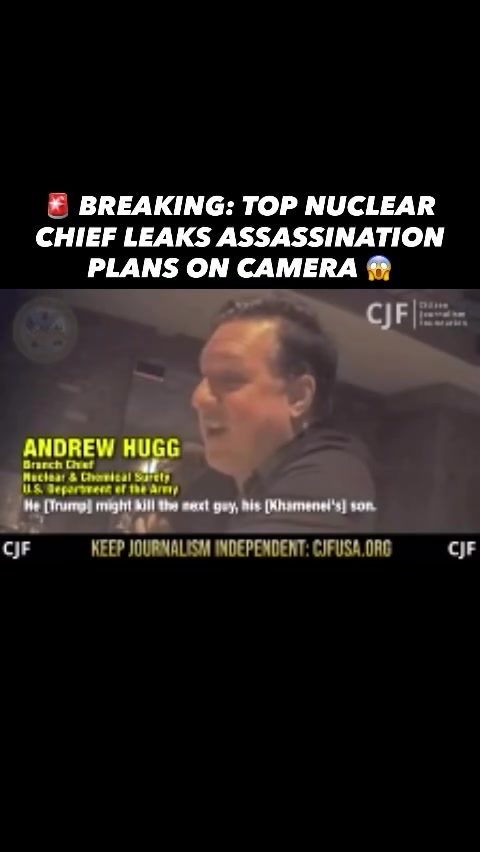
Alleged Assassination Plot and Nuclear Safety Concerns
The revelation that Andrew Hugg, the Branch Chief of Nuclear & Chemical Safety at the U.S. Department of the Army, allegedly leaked classified information to an undercover journalist has sparked significant concern over nuclear safety and national security protocols. The incident, which took place in a restaurant, underscores critical matters related to the handling of sensitive information, the potential for assassination plots, and the broader implications for military and political strategies.
Context / Why This Matters
National security is paramount in any country, and the United States is no exception. The leak of classified information, especially from a high-ranking official, raises serious questions about the integrity of security protocols and the vulnerabilities within the system. This incident also sheds light on the delicate balance between military strategy and ethical considerations, particularly when it comes to the use of force and the potential for collateral damage.
Main Discussion
The Alleged Leak
According to the allegations, Andrew Hugg, who is responsible for ensuring the safety and security of America’s nuclear and chemical arsenal, casually discussed highly sensitive information with an undercover journalist. The conversation included details about an alleged assassination plot targeting Iran’s next Supreme Leader, Mojtaba Khamenei. Hugg reportedly stated that if Khamenei does not change his ways, the U.S. would consider assassinating him. This revelation is deeply concerning, as it suggests that high-level military strategies are being discussed in informal settings, potentially compromising national security.
Collateral Damage and Ethical Implications
The discussion also touched on the collateral damage resulting from U.S. strikes in Iran, including the killing of children. Hugg's nonchalant attitude towards these deaths, dismissing them as "collateral damage," raises significant ethical questions. The morality of military actions and the value placed on civilian lives are crucial topics that demand careful consideration. The concept of collateral damage, while a grim reality of warfare, highlights the human cost of military interventions and the need for strategies that minimize civilian casualties.
The Handling of Nerve Agents
One of the most alarming revelations was the exposure of a U.S. Army chemist to nerve agents due to careless handling. This incident not only highlights the potential dangers of mishandling dangerous substances but also raises questions about the safety protocols in place. The fact that such a critical mistake could occur within the Department of the Army underscores the need for stringent safety measures and better training for personnel handling hazardous materials.
Real-Time Nuclear Launch Decisions
Hugg also provided details about the real-time decision-making process for nuclear launches, including the use of space satellites and radars to detect and track potential threats. This information, while largely technical, offers a glimpse into the intricate systems in place to defend against nuclear attacks. The revelation that Ukrainian officials were misusing U.S. aid for personal gain adds another layer of complexity to the geopolitical landscape. The allegations of corruption and misuse of funds highlight the need for transparency and accountability in the distribution of international aid.
Practical Tips
Ensuring National Security
Given the gravity of the alleged leak, it is essential to reinforce national security protocols. This includes stricter vetting processes for individuals with access to classified information, regular training on the handling of sensitive information, and the implementation of stricter security measures in public settings. Additionally, fostering a culture of vigilance and accountability within military and intelligence agencies can help prevent such breaches in the future.
Enhancing Ethical Considerations in Military Actions
The ethical implications of military actions, particularly those involving civilian casualties, require careful consideration. Military strategists must prioritize the minimization of collateral damage and develop strategies that protect civilian lives. This includes thorough risk assessments, ethical training for military personnel, and the adoption of technologies that can reduce civilian casualties.
Improving Safety Protocols for Hazardous Materials
The handling of hazardous substances, such as nerve agents, must be subject to the highest safety standards. This involves comprehensive training for personnel, regular audits of safety protocols, and the implementation of advanced safety technologies. Ensuring that all personnel are adequately trained and equipped to handle such materials is crucial for preventing accidents and potential disasters.
Important Takeaways
The alleged leak by Andrew Hugg serves as a stark reminder of the vulnerabilities within national security systems. It underscores the need for stringent protocols, ethical considerations in military actions, and robust safety measures for hazardous materials. The incident also highlights the delicate balance between military strategy and the ethical implications of warfare.
Conclusion
The revelation of Andrew Hugg's alleged leak of classified information is a wake-up call for the U.S. military and intelligence agencies. It emphasizes the importance of vigilance, accountability, and ethical considerations in national security. By addressing these concerns, the U.S. can better protect its citizens and ensure that military actions are conducted with the highest standards of safety and ethics.
Questions readers ask
Who is Andrew Hugg and what is his role in the U.S. Army?
Andrew Hugg is a high-ranking official in the U.S. Army, serving as the Branch Chief of Nuclear & Chemical Safety at the U.S. Department of the Army. His role involves overseeing critical safety protocols related to nuclear and chemical materials, making his position highly sensitive.
What specific information did Andrew Hugg allegedly leak?
Andrew Hugg is accused of leaking details about an assassination plot targeting Iran's next Supreme Leader to an undercover journalist. This information is highly classified and its disclosure raises serious national security concerns.
Where and how did the leak reportedly take place?
The leak allegedly occurred in an informal setting, specifically in a restaurant. This raises questions about the security of sensitive information in non-secure environments and the potential for unauthorized disclosure.
What are the potential implications of this leak on national security?
The leak of such sensitive information can compromise military strategies, undermine diplomatic efforts, and expose individuals to potential danger. It also highlights the vulnerability of classified information and the need for stricter protocols.
What steps should be taken to prevent similar leaks in the future?
To prevent future leaks, the military should enforce stricter guidelines for handling classified information, conduct regular training on security protocols, and implement more rigorous vetting processes for individuals with access to sensitive data.
How does this scandal affect the broader context of U.S. and Iran relations?
This incident could exacerbate tensions between the U.S. and Iran, as it involves a plot targeting a high-ranking Iranian official. It may also complicate diplomatic efforts and military strategies, potentially leading to further instability in the region.
What ethical considerations are raised by this incident?
The leak raises significant ethical questions about the conduct of military officials, the handling of sensitive information, and the potential consequences for those involved. It underscores the importance of maintaining the integrity of national security protocols and the trust placed in high-ranking officials.
Recent articles
Fresh deep dives from the latest Reels we unpacked.




Comments
Be the first to comment.