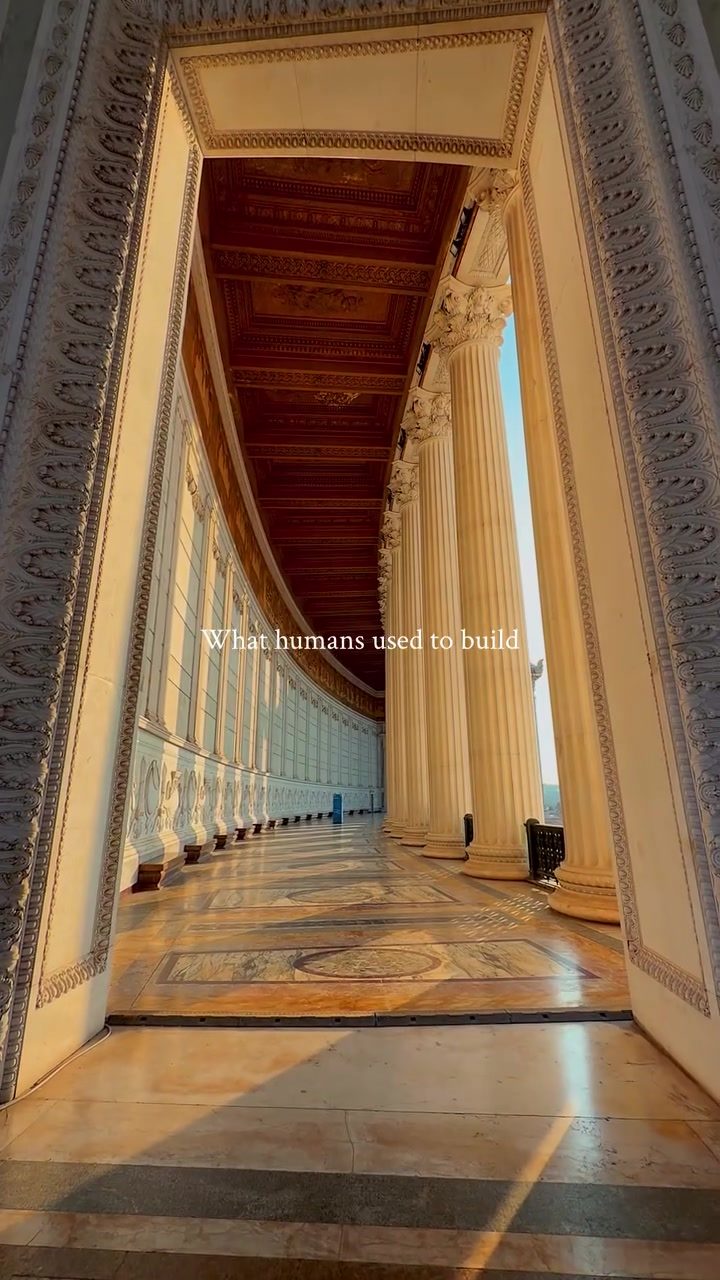
Architectural Marvels: Exploring the Monument to Victor Emmanuel II in Rome
The grand and majestic Monument to Victor Emmanuel II, nestled in the heart of Rome, stands as a beacon of Italian history and architectural brilliance. This iconic landmark, also known as the Altare della Patria or Vittoriano, is a testament to Italy's rich cultural heritage and the unity of its people.
Context: Why the Monument to Victor Emmanuel II Matters
Built in honor of Victor Emmanuel II, the first king of unified Italy, the monument embodies the spirit of a nation reborn. Its construction was commissioned in 1885 to celebrate the unification of Italy and to pay homage to the royal figurehead who played a pivotal role in this historic process. Standing proudly on the Piazza Venezia, the monument's grand white marble columns and intricate details make it one of Rome's most impressive and recognizable landmarks.
The significance of the monument extends beyond its architectural beauty. It serves as a powerful symbol of Italian unity and identity, representing the country's journey from disparate states to a unified nation. The monument's design and location were carefully chosen to reflect this significance, making it a focal point for patriotic celebrations and cultural events.
The Architectural Marvel of the Monument
The Monument to Victor Emmanuel II is a masterpiece of classical architecture, featuring numerous columns and ornate details that evoke a sense of grandeur and awe. The building's design is a blend of neo-classical and Romanesque styles, with a strong emphasis on symmetry and monumentality.
The Grand Staircases
One of the most striking features of the monument is its sweeping staircases, which lead visitors up to the terraces and offer breathtaking views of the city. These staircases are not only aesthetically pleasing but also serve a practical purpose, allowing visitors to ascend to higher levels where they can take in the expansive panorama of Rome.
The Altare della Patria
At the heart of the monument lies the Altare della Patria, a grand altar dedicated to the unknown soldier. This altar is a poignant reminder of the sacrifices made during Italy's unification and subsequent wars. The altar is adorned with intricate sculptures and inscriptions, further enhancing its solemn and reverent atmosphere.
The Musei del Vittoriano
The monument also houses the Musei del Vittoriano, a museum that provides a deeper understanding of Italy's history and the monument's role within it. The museum showcases a variety of artifacts, including historical documents, sculptures, and artifacts related to the unification of Italy. Visitors can explore the museum's rich collection and gain insights into the monumental events that shaped Italian history.
Practical Tips for Visiting the Monument to Victor Emmanuel II
Visiting the Monument to Victor Emmanuel II is an experience that should not be missed. Here are some practical tips to make the most of your visit:
Best Time to Visit
The monument is open year-round, but the best times to visit are during the spring and fall seasons when the weather is mild and the crowds are smaller. Early mornings and late afternoons are also ideal times to visit, as the lighting conditions are perfect for capturing stunning photographs of the monument.
Getting There
The monument is centrally located in Rome, making it easily accessible by public transportation. The nearest metro station is Venezia, which is served by Line A. From there, it's a short walk to the monument. Alternatively, you can take a bus or tram to Piazza Venezia and walk to the monument from there.
Tickets and Access
Entry to the monument is free, but accessing the upper terraces and the Musei del Vittoriano requires a ticket. It's advisable to purchase tickets in advance to avoid long queues, especially during peak tourist seasons. Guided tours are also available, offering in-depth information about the monument's history and architectural features.
Important Takeaways
The Monument to Victor Emmanuel II is more than just a stunning architectural marvel; it is a living testament to Italy's rich history and cultural heritage. By exploring its grand staircases, the Altare della Patria, and the Musei del Vittoriano, visitors can gain a deeper appreciation for the events and figures that shaped Italy's journey to unification.
The monument's grandeur and historical significance make it a must-visit destination for anyone interested in history, architecture, or travel. Its central location in Rome, combined with its accessibility and the wealth of information it offers, make it an unforgettable experience for visitors of all ages.
Conclusion
Stepping into the Monument to Victor Emmanuel II is like stepping into a piece of Italy's history. The grand white marble columns, intricate details, and monumental architecture create a sense of awe and appreciation for historical craftsmanship. From its sweeping staircases to the incredible views across the city, the monument stands as a powerful symbol of Italian unity and identity. Whether you are a history enthusiast, an architecture lover, or simply a traveler seeking to explore the wonders of Rome, the Monument to Victor Emmanuel II offers an unforgettable journey through time and culture.
Questions readers ask
What is the significance of the Monument to Victor Emmanuel II in Rome?
The Monument to Victor Emmanuel II, also known as the Vittoriano, is a powerful symbol of Italian unity and a majestic tribute to the first king of unified Italy. It was constructed to commemorate the unification of Italy and to honor Victor Emmanuel II, who played a central role in this historic event. Located in the heart of Rome, the monument is a testament to the city's rich cultural heritage and the spirit of Italian unification.
Why is the Monument to Victor Emmanuel II also called the Vittoriano?
The monument's nickname, the Vittoriano, is a shortened form of the Italian word 'Vittoriano,' which translates to 'Victorian.' This nickname honors King Victor Emmanuel II, whose full name is 'Vittorio Emanuele II.' The moniker is a tribute to the king's role in the unification of Italy and his enduring legacy as a symbol of Italian unity.
What are the key features of the architectural design of the Monument to Victor Emmanuel II?
The monument is renowned for its grand white marble structure, which features a blend of classical and neo-Renaissance architectural styles. It boasts an impressive array of columns, statues, and fountains, including the iconic 'Dio Patria' (Goddess of the Fatherland) statue. The monument's terraces offer stunning panoramic views of Rome, making it a popular spot for visitors to enjoy the city's skyline.
How do the terraces of the Monument to Victor Emmanuel II enhance the visitor experience?
The terraces of the Monument to Victor Emmanuel II, also known as the Vittoriano, provide a breathtaking vantage point to appreciate Rome's skyline. The terraces offer 360-degree city views that encompass iconic landmarks such as the Roman Forum, the Colosseum, and the Piazza Venezia. Visitors can enjoy these panoramic views while learning about the monument's historical significance and architectural details.
What is the historical importance of the Monument to Victor Emmanuel II in the context of Italian history?
The Monument to Victor Emmanuel II holds immense historical importance as a celebration of Italian unification. Its construction was commissioned in 1885 to mark the 50th anniversary of the unification of Italy, which was a pivotal moment in the country's history. The monument serves as a reminder of the struggles and triumphs that led to the creation of a unified Italian state and honors the first king of unified Italy, Victor Emmanuel II, who was instrumental in this process.
What are some lesser-known details about the Monument to Victor Emmanuel II?
One lesser-known detail about the Monument to Victor Emmanuel II is that it contains a crypt housing an eternal flame, which is dedicated to the unknown soldier. The monument also features an impressive collection of statues and reliefs that depict important figures and events in Italian history. Additionally, visitors can explore the underground museum, which houses various artifacts and exhibits related to the monument's history and the unification of Italy.
Related deep dives
Similar reads based on topic and creator.




Recent articles
Fresh deep dives from the latest Reels we unpacked.



Comments
Be the first to comment.